
Blooming
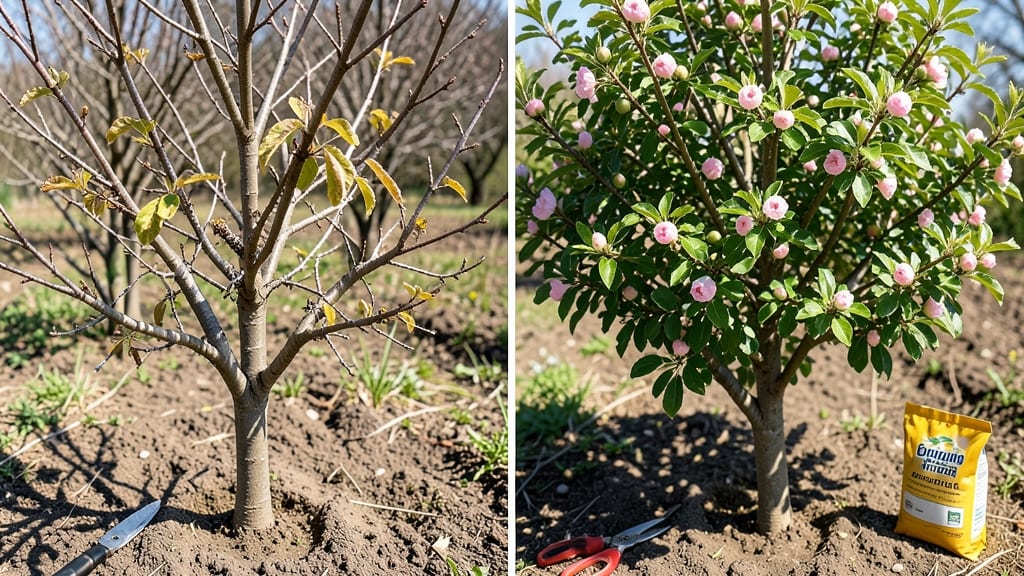
A crabapple tree not blooming can feel like a cruel joke from Mother Nature. 🌳 After years of planting one of these showstopping trees in my front yard, I finally realized the five sneaky reasons they skip their floral show—and how to fix them before next spring.
The most common culprits are age (young trees need patience), improper pruning (cutting at the wrong time kills next year’s buds), or nutrient deficiencies (especially nitrogen and phosphorus). Even environmental stress like drought or extreme heat can shock a tree into skipping its big bloom moment.
The good news? Most of these issues have simple fixes that can turn a barren tree into a blossom-covered star within a single growing season. Start by checking your tree’s age—young crabapples often wait 3-5 years before their first big bloom.
Then, focus on late-winter pruning to encourage new growth, and feed with a balanced fertilizer in early spring. A simple soil test can reveal if your tree is starving for key nutrients like phosphorus, which directly fuels flower production. Don’t panic if your tree looks healthy but just won’t cooperate.
With the right adjustments—timing, feeding, and a little extra care—you’ll see those signature pink or white clusters returning next spring. Here’s exactly how to diagnose and fix each issue step by step.
Root Causes Behind Missing Blossoms
When your crabapple tree skips its usual spring spectacle, the issue often boils down to a mix of environmental stress, biological needs, or improper care. Understanding these root causes helps you target fixes with precision—so let’s dig into the science behind why your tree might be holding back its flowers.
Crabapple trees (Malus spp.) thrive in full sun (6+ hours of direct sunlight daily), but shade from buildings, taller trees, or dense foliage can stunt blooms.
Here’s why: - Photosynthesis slowdown: Less light = fewer energy reserves stored in roots and stems, which are critical for flower buds to develop. - Weakened dormancy: Trees in shade may not enter proper winter dormancy, delaying spring growth. - Competition: Overcrowded roots or nearby trees steal nutrients, leaving your crabapple with insufficient energy for flowering.
Actionable fix: Prune surrounding branches or relocate the tree to a sunnier spot if possible. Thin out nearby trees to improve airflow and light penetration.
Water is the lifeblood of blooming. Too much or too little can disrupt flower production: - Underwatering: Causes bud abortion—the tree prioritizes survival over reproduction.
Dry soil triggers stress hormones that signal buds to drop. - Overwatering: Soggy roots suffocate the tree, leading to root rot (Phytophthora or Fusarium fungi), which diverts energy away from flowers. - Improper timing: Watering too late in the season (fall/winter) can confuse the tree’s dormancy cycle, delaying spring blooms.
Actionable fix:
- Deep watering: Soak the root zone (12–18 inches deep) every 7–10 days in dry climates; adjust for rain.
- Drainage check: Ensure the planting site has well-draining soil (amend with compost if clay-heavy).
- Avoid winter watering: Let the tree enter natural dormancy without excess moisture.
Crabapple trees need chill hours (32–45°F for 400–1,000 hours annually) to break dormancy and trigger blooming.
Modern climate shifts disrupt this: - Unusually warm winters: Without adequate chill hours, flower buds remain dormant or fail to develop. - Late frosts: Early blooms (common in warm winters) get damaged by sudden freezes, causing buds to blacken and drop. - Heat stress in summer: Prolonged temperatures above 90°F can exhaust the tree’s energy reserves before winter.
Actionable fix:
- Monitor chill hours: Use a minimum-maximum thermometer to track cold periods. If your region lacks chill hours, consider a cold-hardy cultivar (e.g., ‘Adirondack’ or ‘Royalty’).
- Protect from frost: Cover young trees with frost cloth during late spring blooming periods.
- Mulch properly: Apply 3–4 inches of mulch in fall to regulate soil temperature and retain moisture.
Flowers are energy-intensive, and poor soil health directly impacts blooming: - Nitrogen imbalance: Too much nitrogen (from over-fertilizing) promotes leafy growth at the expense of flowers. Too little stunts overall vigor. - Potassium/magnesium shortages: These minerals regulate enzyme activity in bud formation.
Deficiencies (yellowing leaves, weak stems) lead to sparse or no blooms. - Soil pH issues: Crabapples prefer slightly acidic soil (pH 6.0–7.0). Alkaline soil (pH >7.5) locks out essential nutrients like iron and manganese.
Actionable fix:
- Test your soil: Use a home soil kit or send a sample to a local extension office for analysis.
- Balance fertilizers: Apply a slow-release, bloom-boosting fertilizer (10-10-10 or 5-10-5) in early spring before buds swell.
- Amend soil: Mix in compost or peat moss to improve texture and acidity. For alkaline soil, add elemental sulfur (follow package rates).
Hidden invaders can sabotage your tree’s ability to bloom: - Aphids/Scale Insects: Sap-sucking pests weaken the tree by reducing photosynthesis.
Heavy infestations cause buds to drop or fail to open. - Fire Blight (Erwinia amylovora): A bacterial disease that mummifies flowers and twigs, preventing new blooms.
Look for blackened, oozing cankers on branches. - Borers (e.g., peach tree borer): Larvae tunnel into the cambium layer, disrupting nutrient transport to flower buds.
Actionable fix:
- Inspect branches: Prune and dispose of infected limbs (don’t compost!) to prevent spread.
- Apply horticultural oil: In late winter/early spring, spray dormant oil to smother overwintering pests.
- Use copper fungicide: For fire blight, apply copper-based sprays in early spring before buds swell.
Even healthy trees hit a blooming slump due to:
- Young trees (under 3–5 years): Lack the energy reserves to flower heavily.
- Over-pruning: Removing too many branches (especially in late winter) reduces the tree’s ability to store carbohydrates for spring blooms.
- Top-heavy pruning: Cutting back more than 25% of the canopy in one season stresses the tree, delaying flowering.
Actionable fix:
- Wait it out: Young trees will bloom as they mature. Focus on balanced pruning (remove only dead/diseased wood).
- Prune at the right time: Late winter/early spring (just before buds swell) is ideal. Avoid summer pruning, which stresses the tree.
- Thin selectively: Remove suckers or water sprouts instead of main branches to preserve energy.
Revive your tree’s beauty now
If your crabapple tree is playing hide-and-seek with its blossoms, don’t despair—most issues are fixable with targeted care. Below, we map the most common causes to practical solutions, plus prevention tips to keep your tree blooming like a showstopper for years. Let’s get your tree back in the spotlight!
If your tree is stuck in the shade, it’s like asking a diva to sing in a closet—it won’t perform. Crabapples crave 6–8 hours of full sun daily, especially in cooler climates.
How to Fix It: 🔥 🌞 Relocate or Thin Surroundings
- If possible, transplant the tree to a sunnier spot (best done in early spring or fall).
- No moving? Prune nearby trees, shrubs, or structures blocking sunlight.
Aim to open up the canopy by 20–30% for better light penetration.
👨🍳 🌿 Prune Strategically
- Remove dense branches that create shade on the tree itself. Focus on the interior where light struggles to reach.
- Use clean, sharp pruners and cut at a 45° angle just above a bud or branch collar to encourage healthy regrowth.
⏰ 🌱 Timing Matters
- Prune in late winter or early spring (before buds swell) to avoid stressing the tree during blooming season.
💡 Prevention Tip:
- Plant crabapples in south- or west-facing spots where they’ll bask in sunlight without afternoon heat stress.
Water woes are a top villain behind skipped blooms. Too much? Roots drown. Too little? The tree throws a tantrum. Crabapples need consistent moisture but hate soggy feet.
How to Fix It:
🔥 💦 Check the Soil
- Stick your finger 2–3 inches deep into the soil. If it’s dry, water deeply. If it’s muddy, hold off until it drains.
🍳 🌧️ Adjust Your Watering Routine - Drought? Water deeply 1–2 times per week (1–2 inches per session).
Use a soaker hose or drip irrigation to avoid wetting leaves (which causes disease). - Overwatered? Improve drainage by amending the soil with compost or perlite, or plant on a slight mound to prevent pooling.
🔪 🌿 Mulch Like a Pro
- Apply 2–3 inches of organic mulch (wood chips, straw) around the base (keep it 3 inches away from the trunk).
- Mulch retains moisture, regulates soil temp, and deters weeds—just don’t overdo it (too much suffocates roots).
💡 Prevention Tip:
- Water in the morning to reduce evaporation and fungal risks. Avoid evening watering, which can promote mildew.
Fungal infections (like Venturia) or pests (aphids, scale) can sap energy meant for flowers. A weak tree? No blooms. Let’s kick them to the curb.
How to Fix It:
🔥 🦠 Identify the Culprit
- Fungal spots? Look for black tar-like spots on leaves (Venturia) or powdery white residue (powdery mildew).
- Pests? Check for sticky residue (honeydew), curled leaves, or tiny bugs clinging to branches.
🍳 🧼 Treat Fungus Naturally
- Preventive spray: Mix 1 tsp baking soda + 1 quart water + a few drops of dish soap. Spray every 7–10 days during growing season.
- Severe cases? Use a copper fungicide (follow label instructions). Apply in early spring before buds swell.
👨🍳 🐞 Pest Control Tactics - Aphids/scale? Blast them off with a strong spray of water or use neem oil (mix 1 tbsp neem oil + 1 tsp mild soap + 1 quart water).
Spray every 5–7 days until gone. - Birds eating buds? Hang reflective tape or old CDs from branches to scare them off.
🔪 🌿 Prune and Dispose
- Remove all infected leaves/branches and dispose of them in the trash (not compost). Sterilize pruners with rubbing alcohol between cuts.
💡 Prevention Tip:
- Rake up and destroy fallen leaves in autumn—they’re fungal spore hotels! Also, avoid overhead watering to keep leaves dry.
Crabapples are tough, but late frosts, heatwaves, or winter burns can shock them into skipping their floral debut. Shield your tree from Mother Nature’s mood swings.
How to Fix It:
🔥 🌡️ Shield from Late Frosts
- If frost threatens while buds are swelling (early spring), cover the tree with a lightweight frost blanket or row cover at night. Secure it loosely to avoid damage.
🍳 🔥 Beat the Heat
- In scorching summers, provide afternoon shade with a light shade cloth (30–50% coverage) if temps exceed 90°F (32°C) for weeks.
- Mulch heavily (3–4 inches) to keep roots cool.
👨🍳 🌨️ Winterize Young Trees
- Wrap the trunk of young trees (under 3 years old) with tree guard or burlap to prevent sunscald (bark damage from winter sun).
- Water deeply before the first frost to ensure roots are hydrated for dormancy.
💡 Prevention Tip:
- Choose crabapple varieties cold-hardy to your zone (e.g., ‘Adirondack’ for zones 3–8 or ‘Royalty’ for zones 4–8).
Like a diet lacking greens, a malnourished tree won’t bloom. Crabapples need balanced nutrients, especially phosphorus (for flowers) and potassium (for resilience).
How to Fix It:
🔥 📊 Soil Test First
- Grab a DIY soil test kit ($10–$20) or send a sample to your local extension office. This tells you exactly what’s missing.
🍳 🌿 Fertilize Strategically
- Spring boost: Apply a balanced fertilizer (10-10-10 or 20-20-20) in early spring as new growth starts.
- Flower power: For extra blooms, switch to a high-phosphorus fertilizer (like 5-10-10) in late winter.
- Avoid overdoing it! Too much nitrogen = leafy growth, no flowers.
👨🍳 🍄 Organic Alternatives
- Compost or worm castings (1–2 inches worked into topsoil in spring) slowly release nutrients.
- Banana peel tea (steep peels in water for a week) adds potassium—pour around the base.
💡 Prevention Tip:
- Mulch with compost annually to replenish soil naturally. Avoid synthetic fertilizers in summer—they encourage late growth vulnerable to frost damage.
Pro Tip: Combine fixes for best results! For example, prune + fertilize + mulch in early spring to give your tree a bloom-boosting head start
. With patience and care, your crabapple will be draped in pink or white glory come next spring! 🌸✨Frequently asked questions
Why does my crabapple tree have leaves but no flowers?
Leaves without flowers usually means your tree is prioritizing foliage growth over blooming. This often happens when there's too much nitrogen in the soil (from over-fertilizing), insufficient sunlight (less than 6 hours daily), or the tree is still too young (3-5 years old). Focus on balanced fertilization (use a 10-10-10 formula) and ensure full sun exposure to encourage flowering.
Can I prune my crabapple tree to make it bloom more?
Pruning can actually help—but only if done correctly! Avoid heavy pruning in late winter (when buds form) and instead prune in early spring before buds swell. Remove only dead, diseased, or crossing branches (never more than 25% of the canopy at once). Thin out dense areas to improve airflow and sunlight penetration, which directly boosts flower production.
How do I know if my crabapple tree needs more chill hours?
Check if your region gets 400-1,000 chill hours (temperatures between 32-45°F) annually. Use a minimum-maximum thermometer to track winter temps. If your area has warm winters (fewer than 400 chill hours), your tree may skip blooming. Try planting a cold-hardy cultivar like 'Adirondack' or 'Royalty,' which thrive in low-chill zones.
What should I do if my crabapple tree's buds turn black before blooming?
Blackened buds usually signal fire blight (a bacterial disease) or late frost damage. For fire blight, prune infected branches 6 inches below the blackened area and sterilize tools with rubbing alcohol. Apply copper fungicide in early spring. If frost is the issue, protect buds with frost cloth during late spring blooming periods. Dispose of infected plant debris immediately.
Is it normal for a newly planted crabapple tree to take 3-5 years before blooming?
Yes! Young crabapple trees often wait 3-5 years to establish strong roots before producing flowers. Focus on proper planting (well-draining soil, full sun) and balanced care (watering, mulching) during this time. Avoid heavy pruning or over-fertilizing, as these can delay flowering even further. Patience pays off—once established, they bloom spectacularly!