
Pruning
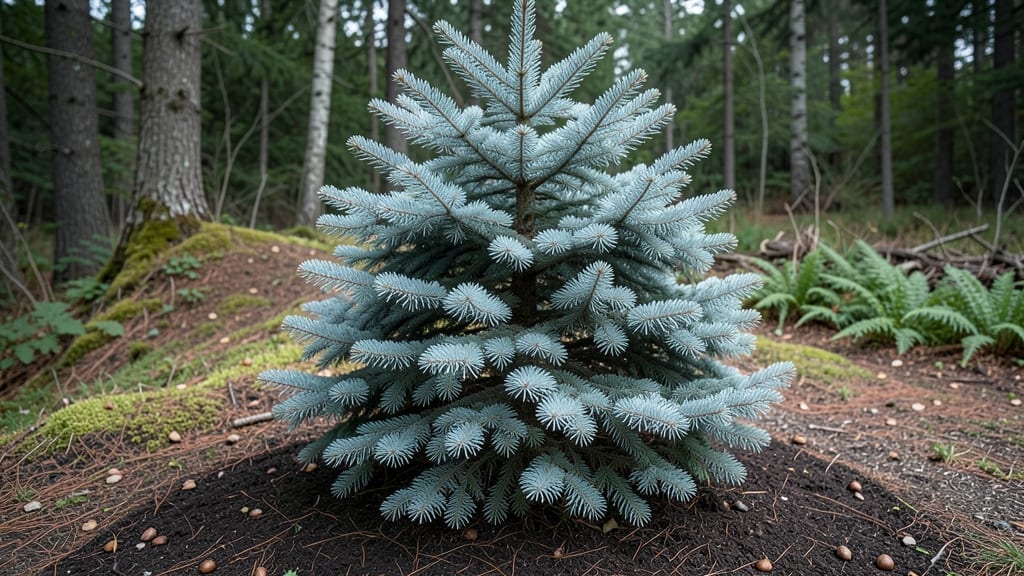
Your Colorado spruce Christmas tree could double as a privacy screen—if you plant it right. 🌲 This hardy evergreen grows fast enough to block nosy neighbors in just three years, while its signature blue-green needles make it a showstopper year-round.
The secret lies in its love for full sun and well-draining soil. Too much shade? Needles turn yellow. Too much moisture? Roots rot.
I learned this the hard way after my first sapling struggled in heavy clay—now I swear by raised beds or sandy loam mixed with pine bark for drainage. By year three, you’ll have a 12-foot-tall wall of vibrant foliage that smells like fresh pine on winter days.
The dense branches also make it perfect for Christmas tree harvesting—just wait until it reaches 10-12 feet for ideal tree height. Works as a standalone screen or paired with other evergreens. Just avoid pruning in late summer—it stresses the tree when new growth is tender.
Patience pays off with a tree that lasts decades.
📚 In This Guide
- What you need
- Instructions
- Tips and common mistakes
- Wrapping up and next steps
What you need
- ● Colorado spruce saplings (3–5 years old, 6–8 ft tall): Quantity: 1 per tree (or 3+ for a hedge)
- ● Specs: Healthy root ball, firm needles, no browning
- ● Shovel or spade (for digging holes)
- ● Garden gloves (to protect your hands)
- ● Mulch (3–4 inches of pine bark or wood chips)
- ● Slow-release fertilizer (balanced 10-10-10 or spruce-specific)
- ● Watering can or hose with nozzle
- ● Stakes & twine (if planting in windy areas)
- ● Soil amendment (peat moss or compost for poor soil)
- ● Tree guard (to protect young trunks from critters)
- ● Pruning shears (for shaping after planting)
- ● pH test kit (to check soil acidity, ideal: 5.0–6.0)
- ● Decorative stakes or flags (to mark planting locations)
Step-by-step guide to planting a Colorado Blue spruce for privacy
Here's how to establish a lush, living privacy screen with these striking evergreens.
🌱 Step 1: Choose the Perfect Planting Location
Colorado Blue Spruces thrive in full sun to partial shade—at least 6 hours of direct sunlight daily. I always scout the site first, checking for overhead power lines or large trees that might cast too much shade. The ideal spot gets morning sun and afternoon shade in hotter climates.
Measure your space: these trees grow 30-40 feet tall and 10-15 feet wide at maturity. For a 6-foot privacy screen, plant them 8-10 feet apart. Mark planting spots with stakes to visualize the mature height—you'll thank yourself later when the branches meet above your fence.
🪴 Step 2: Prepare the Soil and Dig Planting Holes
Colorado Blue Spruces prefer well-draining soil with a pH between 6.0 and 7.5. Before planting, loosen the soil to a depth of 12 inches with a shovel or tiller. If your soil is heavy clay, mix in 2 inches of compost to improve drainage—these trees hate soggy roots.
Dig holes twice as wide as the root ball but only as deep—planting too deep suffocates the roots. I like to water the hole thoroughly before planting to help settle the roots immediately. For four trees, you'll need four holes spaced according to your privacy spacing plan.
☀️ Step 3: Plant and Stake for Stability
Remove the tree from its container and gently loosen the roots if they're circling. Place the tree in the hole so the top of the root ball sits 1-2 inches above ground level—this prevents rot when soil settles. Backfill with native soil, tamping lightly every 6 inches to remove air pockets.
Water deeply to settle the soil, then add a 2-inch layer of mulch around the base (keep it 6 inches away from the trunk to prevent rot). Install stakes only if needed—young trees in exposed locations benefit from temporary support. I use soft tree ties that won't girdle the trunk as it grows.
💧 Step 4: Water and Maintain Through Establishment
Water newly planted trees deeply 2-3 times per week for the first 6 months, aiming for 1-1.5 gallons per tree per watering. The soil should stay moist but not soggy—stick your finger 2 inches down; if it's dry, water again. During hot spells, you may need daily watering until the roots establish.
Fertilize lightly in spring with a balanced 10-10-10 formula—too much nitrogen causes weak growth. Prune only to remove dead branches in the first year. Watch for spider mites on new growth; a strong spray of water usually clears them before they take hold.
⏰ Step 5: Monitor Growth and Adjust Spacing
Colorado Blue Spruces grow 12-24 inches per year when young. Check their height annually and adjust any gaps in your privacy screen by adding new trees. I like to plant a few extra trees in the first year to fill any unexpected gaps—these trees grow slowly enough that you'll appreciate the foresight.
After 3 years, your screen should reach 6-8 feet tall, providing that coveted privacy. At this point, you can reduce watering to once weekly during dry spells. The blue foliage will deepen in color as the trees mature, creating that stunning privacy barrier you envisioned.
Tips & tricks for perfect Colorado spruce privacy screens
Planting Colorado Blue Spruces for privacy takes patience, but these simple tricks will help you avoid common pitfalls and get the most out of your evergreen investment.
Sunlight Strategy: While the instructions mention 6 hours of sunlight, I recommend aiming for at least 8 hours daily for optimal growth. The morning sun is especially important—it helps prevent fungal issues on the needles. If your site only gets partial shade, plant on the sunny side of fences or buildings to maximize exposure.
Soil Prep Secret: Before digging, test your soil's pH using a simple kit from your garden center. Colorado Blue Spruces thrive between 6.0-7.5, but many garden soils run acidic. If your test shows below 6.0, mix in dolomitic lime (about 1/2 pound per 100 square feet) and work it into the top 6 inches of soil before planting. This small step prevents yellowing needles later.
Root Ball Handling: When removing trees from containers, I've learned the hard way that gently squeezing the sides helps loosen roots without damaging them. After loosening, trim any circling roots with clean pruners—these can strangle the tree as it grows. The goal is to encourage outward growth that will fill your privacy screen evenly.
Mulch Matters: That 2-inch layer of mulch around your newly planted trees does more than just look pretty. I use shredded bark mulch because it breaks down slowly and improves soil structure over time. Just remember to keep it 6 inches away from the trunk to prevent rot—this is where many new gardeners go wrong.
Pro Tips for Christmas Tree Colorado Spruce
- Planting Colorado Blue Spruces for privacy takes patience, but these simple tricks will help you avoid common pitfalls and get the most out of your evergreen investment.
- Sunlight Strategy: While the instructions mention 6 hours of sunlight, I recommend aiming for at least 8 hours daily for optimal growth.
- Soil Prep Secret: Before digging, test your soil's pH using a simple kit from your garden center.
Frequently asked questions
How fast does a Colorado spruce grow?
A Picea pungens (Colorado spruce) typically grows 12 to 24 inches per year under ideal conditions. With proper care, you can achieve a 10-foot-tall privacy screen in about 5–7 years and full 3-year screening density with strategic spacing (plant saplings 6–8 feet apart). Patience pays off—these evergreens mature slowly but reliably!
Can Colorado spruces survive harsh winters?
These trees are hardy in USDA zones 3–7, thriving in cold climates with dry, snowy winters. Just avoid planting in low-lying areas where frost pockets trap cold air or where salt spray (near roads) could damage foliage. Mulch the base in winter to protect roots from extreme temperature swings.
Do I need to prune a Colorado spruce for privacy?
Minimal pruning is needed for shape, but focus on removing dead branches and thinning overcrowded growth to encourage airflow. Avoid heavy pruning—these trees grow best when left natural. If you want a denser screen faster, prune lightly in late winter/early spring before new growth starts. Pro tip: Use sharp, sterilized shears to prevent disease.
What’s the best spacing for a fast privacy screen?
For a 3-year privacy screen, plant saplings 6–8 feet apart in rows 8–10 feet apart. This spacing allows branches to fill gaps naturally over time. If you’re using bigger trees (5+ feet tall), space them 10–12 feet apart for faster coverage. Remember: Tighter spacing = quicker results, but too close can lead to competition for water/nutrients.
Why are my Colorado spruce needles turning brown?
Brown needles usually signal one of three issues:
- Winter burn: Dry air + cold winds (common in Colorado!). Solution: Water deeply before the first freeze and mulch heavily.
- Pests (spider mites/sawflies): Check for webs or sawfly larvae. Solution: Spray with neem oil or introduce beneficial insects.
- Root stress: Overwatering or poor drainage. Solution: Ensure well-draining soil and water only when the top 2 inches are dry.
If the problem persists, test your soil’s pH (ideal: 5.0–6.0)—spruces hate alkaline soil!
Wrapping up and next steps
The Colorado spruce isn’t just a stunning holiday centerpiece—it’s a long-term investment in privacy and beauty for your yard. With patience, proper pruning, and care, you can transform it into a lush, evergreen screen in just three years, adding year-round charm and value to your home. 🌲✨
Ready to get started? Plant yours today and watch it grow into the perfect green backdrop for your home—holiday season or not! For extra tips, check out our pruning guide to keep your spruce thriving for decades.