
Trees
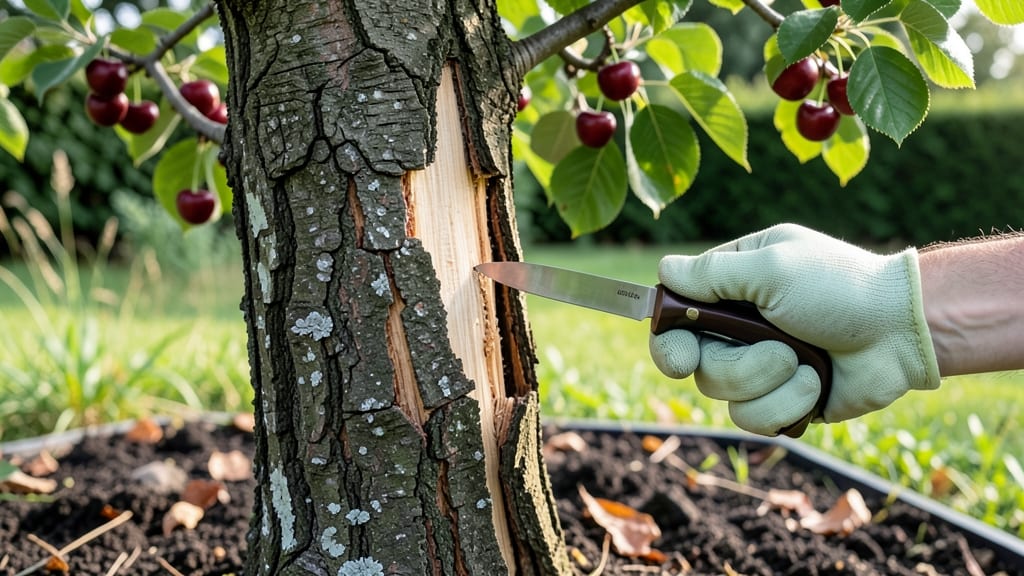
Your cherry tree’s split bark isn’t just unsightly—it’s a cry for help. 🌳 I’ve seen this happen after brutal winter freezes, sudden summer droughts, or when the tree’s just plain overstressed from years of neglect.
The good news? You can often save it with the right organic pruning and protection techniques.
First, identify the damage: deep cracks that ooze sap or expose inner bark are serious, while shallow splits might just need sealing. The worst offenders? Sudden temperature swings, fungal infections hiding beneath the bark, or even pests tunneling inside.
My 20-year-old sour cherry had a dramatic split after a late frost last spring—turns out, it was a mix of winter burn and a hidden beetle infestation.
Here’s where it gets hopeful: prune carefully to remove damaged branches, seal cracks with organic tree wound dressing, and wrap the trunk in protective burlap during extreme weather. I’ve saved trees that looked hopeless with these steps—now they’re thriving again, with new growth where the splits once were.
The key is monitoring: check the tree every 2-3 weeks for new cracks, and adjust your care based on what you see. If the damage is extensive or the tree shows signs of disease beyond the bark, it might be time to call an arborist.
But in most cases? You’ve got this.
Root Causes Of Bark Splitting
Understanding why your cherry tree’s bark splits is the first step to preventing—or fixing—this common issue. These fractures aren’t just cosmetic; they can expose your tree to pests, disease, and even structural damage.
Below, we break down the key triggers behind split bark in cherry trees, backed by science and actionable insights.
Cherry trees, especially younger or fast-growing varieties, are sensitive to rapid temperature fluctuations. When bark expands or contracts too quickly—due to freezing nights followed by scorching days—it can’t keep up, leading to vertical or horizontal cracks.
- Why it happens: - Bark is a rigid, woody layer that lacks flexibility.
When water inside the tree freezes, it expands (up to 9% by volume), putting immense pressure on the bark. - Conversely, sudden heat causes the tree to transpire rapidly, drying out the bark and making it brittle. - Fast-growing trees (like sweet or tart cherries) are at higher risk because their bark can’t mature quickly enough to handle stress.
- Actionable fix:
- Mulch heavily (3–4 inches of organic mulch like wood chips) to insulate roots and stabilize soil temperature.
- Avoid pruning late in the season (fall/winter), as new growth is more vulnerable to cold snaps.
- Water deeply in late fall to prevent winter desiccation (but avoid overwatering, which can also stress the tree).
Both drought stress and overwatering can weaken a cherry tree’s bark, making it prone to splitting. The bark’s integrity relies on a balance of moisture—too little or too much throws off this equilibrium.
- Why it happens: - Drought: When soil dries out, the tree’s vascular system struggles to transport water, causing cell shrinkage in the bark.
This leads to micro-fractures that worsen over time. - Overwatering: Soggy soil deprives roots of oxygen, leading to anaerobic conditions that weaken structural tissues.
The bark becomes soft and prone to splitting under its own weight or wind. - Sudden watering changes: Alternating between drought and heavy watering (e.g., after a dry spell) causes swelling and shrinking cycles, accelerating cracks.
- Actionable fix: - Water deeply but infrequently (1–2 inches per week, depending on climate) to encourage deep root growth. - Use drip irrigation to deliver water slowly and evenly, avoiding surface runoff. - Test soil moisture before watering—stick your finger 2–3 inches into the soil.
If it’s dry, water; if damp, hold off.
Cherry trees, especially those with thin or weak bark (common in young trees or certain cultivars), are susceptible to mechanical damage from environmental forces.
- Why it happens: - Wind pressure: Strong gusts push against the tree, creating compression forces that exceed the bark’s tensile strength.
This is why splits often occur on the windward side. - Fruit weight: Heavy cherry crops (especially in varieties like ‘Bing’ or ‘Rainier’) add hundreds of pounds of weight to branches.
If the tree isn’t structurally sound, the bark can’t support the load, leading to longitudinal splits. - Improper pruning: Over-pruning or top-heavy cuts weaken the tree’s ability to distribute weight evenly, increasing split risk.
- Actionable fix:
- Prune strategically to improve airflow and reduce wind resistance (see our pruning guide for techniques).
- Thin fruit in heavy-bearing years to reduce branch stress (remove 30–50% of fruit if branches sag).
- Stake young trees in windy areas to prevent excessive swaying.
While not a direct cause, fungal infections (like silver leaf fungus) and pest infestations (such as borers or scale) can compromise bark integrity, making it more prone to splitting.
- Why it happens:
- Fungal decay: Pathogens like Chalara fraxinea (cherry bark canker) soften and rot the inner bark, reducing its flexibility.
- Bark-boring insects: Larvae of pests like the cherry fruit fly or sirex woodwasps create tunnels that weaken structural support.
- Sun scald: In winter, south-facing bark (exposed to harsh sun) can dry out and crack, especially if the tree is already stressed.
- Actionable fix:
- Inspect bark annually for signs of oozing sap, discoloration, or holes.
- Apply organic fungicides (like neem oil or copper spray) in early spring to prevent infections.
- Encourage beneficial insects (ladybugs, lacewings) to control pests naturally.
Some cherry trees are genetically predisposed to bark splitting due to rapid growth rates, thin bark, or weak wood structure.
- Why it happens:
- Fast-growing cultivars: Varieties like ‘Stella’ or ‘Lapins’ grow quickly, but their bark lacks time to thicken, making it prone to splitting.
- Poor grafting: If a tree is poorly grafted, the union point may weaken, leading to uneven growth and stress cracks.
- Age-related brittleness: Older trees with hardened, non-living bark are more likely to split, especially if they’ve experienced past trauma.
- Actionable fix:
- Choose slower-growing cultivars if splitting is a recurring issue in your climate.
- Support weak branches with tree ties or spreaders to distribute weight evenly.
- Monitor graft unions for signs of failure (e.g., excessive growth from the rootstock).
Fixing Split Bark Naturally
When your cherry tree’s bark starts splitting, acting fast with the right care can save its health—and even its life. Below are practical, organic solutions tailored to the most common causes, plus prevention tips to keep your tree strong for years.
Split bark often starts at branch junctions or weak points. If the crack is shallow but spreading, pruning can redirect growth and prevent further damage.
- 🔪 Step 1: Identify Dead or Weak Wood Look for branches with sunken cracks, oozing sap, or dead twigs. Use a sharp pruning saw (or loppers for smaller branches) to remove them at a 45-degree angle, just outside the split.
- 🌿 Step 2: Seal with Organic Wound Dressing After pruning, apply an organic tree sealant (like beeswax or a vinegar-based paste) to protect the wound. This keeps pests and disease out while the tree heals.
- ⏰ Step 3: Monitor for New Growth Within 2–4 weeks, check for new shoots at the pruned spot. If the tree doesn’t regrow, the damage may be too severe—consider consulting an arborist.
💡 Pro Tip: Prune in late winter or early spring when the tree is dormant but before new growth starts. Avoid heavy pruning in summer or fall, as it stresses the tree.
Overwatering or drought stress can cause bark to split as the tree struggles to regulate moisture.
- 💧 Fix Dry Soil Cracks If the split happened due to drought, water deeply 2–3 times per week (adjust based on your climate). Use mulch (straw or wood chips) around the base to retain moisture and protect roots.
- 🌧️ Fix Overwatered or Compacted Soil If the soil is soggy or clay-heavy, improve drainage by:
- Adding compost or perlite to the top 6 inches of soil.
- Creating a swale (a shallow trench) around the tree to redirect water away from the trunk.
🎯 Prevention Tip: Test soil moisture by sticking your finger 2 inches into the soil—if it’s dry, water; if it’s muddy, hold off.
Fungal infections (like silver leaf fungus) or borer infestations weaken bark, making splits worse.
- 🍄 For Fungal Issues
- Remove infected branches immediately.
- Spray with neem oil or copper fungicide (organic options) to stop spread.
- Thin the canopy to improve airflow and reduce humidity near the trunk.
- 🐜 For Borer or Pest Damage
- Apply diatomaceous earth around the base to deter pests.
- Encourage beneficial insects (like ladybugs) by planting companion flowers (e.g., marigolds).
- Check for sawdust-like frass near splits—this means borers are active!
✨ Prevention Tip: Keep grass and weeds trimmed within 3 feet of the trunk to reduce hiding spots for pests.
Sudden temperature swings (hot sun + freezing nights) can cause bark to expand and split.
- 🔥 Shield from Harsh Sun If your tree is in a south-facing spot, provide partial shade with a lightweight shade cloth during peak summer hours.
- ❄️ Winterize Young Trees
- Wrap the trunk with tree wrap or burlap to prevent frost cracks.
- Avoid heavy mulch piles against the trunk—keep it 3–4 inches deep and 6 inches from the bark.
💡 Pro Tip: Mature cherry trees (10+ years old) handle weather better—if splits keep happening, consider root aeration to improve stability.
- ❌ Don’t paint the split with regular paint—it traps moisture and worsens rot.
- ❌ Avoid over-fertilizing—too much nitrogen can make bark brittle.
- ❌ Don’t ignore deep cracks—if the split goes more than halfway through the trunk, call an arborist.
By addressing the root cause (literally!) and giving your cherry tree consistent, gentle care, you’ll help it heal—and prevent future splits. Most trees recover well with patience and proper pruning—so grab your tools and get to work! 🌳✂️
Frequently asked questions about cherry tree split bark
Why does my cherry tree bark split in winter?
Winter splits happen when rapid temperature swings cause the bark to expand and contract. Freezing nights followed by sunny days create thermal shock, especially on south-facing sides. Young trees or fast-growing varieties like 'Stella' are most vulnerable. Wrap the trunk with burlap or tree wrap and mulch heavily (3-4 inches) to protect against frost cracks.
Can I save a cherry tree with deep bark splits?
It depends on the depth. If cracks go more than halfway through the trunk, the tree may not recover. For shallow splits, prune damaged branches at a 45-degree angle and seal with organic wound dressing (like beeswax). Monitor for 2-4 weeks
What's the best organic sealant for split cherry tree bark?
Use beeswax-based sealants or vinegar-based pastes—they allow the tree to breathe while protecting against pests. Avoid regular paint (traps moisture) or petroleum products. Apply a thin layer to clean, dry cracks after pruning. Reapply annually or after extreme weather. For fungal-prone areas, add neem oil to the mix.
Will pruning help prevent future bark splits?
Yes, but only if done correctly. Prune in late winter to remove weak branches at a 45-degree angle. Avoid heavy summer pruning—it stresses the tree. Thin the canopy to improve airflow and reduce wind resistance. For heavy fruit-bearing trees (like 'Bing'), remove 30-50% of fruit to prevent branch stress.
How can I tell if my cherry tree's split bark is from pests?
Look for sawdust-like frass near cracks (sign of borers) or oozing sap (indicating beetle activity). Check for tiny holes in the bark or exit holes where pests emerged. If you see these signs, apply diatomaceous earth around the base and encourage natural predators like ladybugs with companion plants.