
Pruning
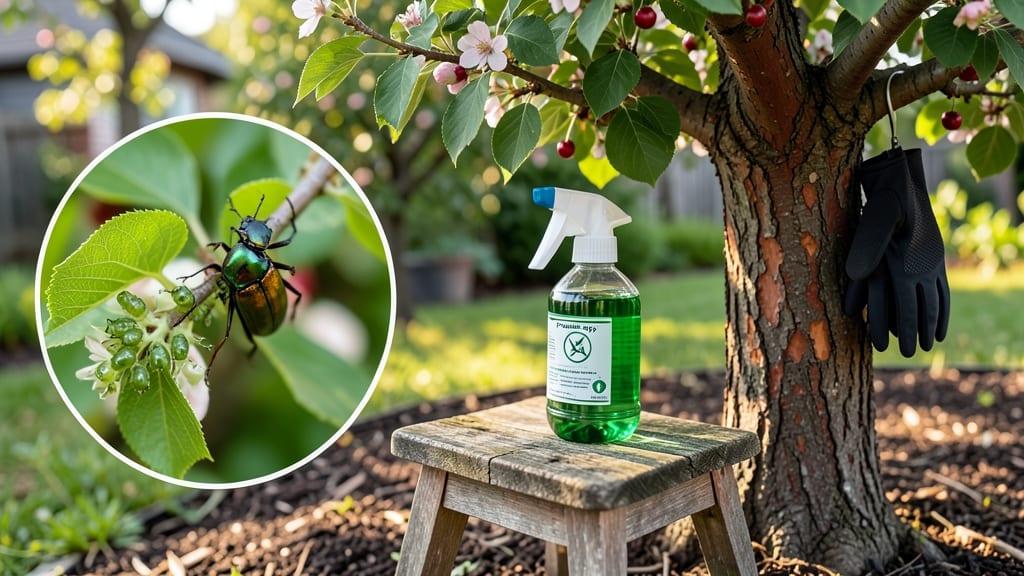
When this organic cherry tree insecticide spray strikes back against pests like aphids and borers, your harvest stays safe—no harsh chemicals needed. 🌿 I’ve battled these invaders for years—my first tree nearly lost its leaves to aphids before I discovered the right mix of neem oil, insecticidal soap, and horticultural oil.
The key isn’t just spraying; it’s timing, coverage, and knowing which pests need which treatment.
You’ll need neem oil (2 tablespoons per gallon of water), insecticidal soap, and a sprayer—no fancy equipment, just targeted precision. Mix in a bucket, stir well, and apply when pests are active (early morning or late evening).
This isn’t a one-and-done fix: reapply every 7-10 days until the infestation clears. The spray works by disrupting pests’ life cycles, not just killing them on contact.
By the end of treatment, your tree’s leaves will stop curling, and new growth will emerge vibrant and pest-free. The best part? No chemical residue on fruit, and your tree stays healthier long-term. Just avoid spraying when bees are active—save them for pollination days.
Works for sweet, sour, and tart cherries alike, whether you’re dealing with aphids, borers, or mites. The secret is consistency: one missed spray lets pests regroup. Let’s get your tree back to full, lush glory.
📚 In This Guide
- What you need
- Instructions
- Tips and common mistakes
- Wrapping up and next steps
What you need
- ● Organic insecticide spray: Neem oil-based spray (e.g., Bonide Neem Oil) – 16 oz (473 mL) concentrate
- ● OR horticultural oil (e.g., Safer® Brand Insect Killing Soap) – 32 oz (946 mL) ready-to-use
- ● Spraying equipment: Handheld sprayer (e.g., Chapin 62500) – 1-2 gallon capacity
- ● OR garden pump sprayer (e.g., Fiskars X27) – 3-5 gallon capacity
- ● Water: 1 gallon (3.8 L) per application (tap or rainwater, avoid chlorinated water if possible)
- ● Protective gear: Nitrile gloves (e.g., GlovesUSA) – 1 pair
- ● Long-sleeved shirt and pants
- ○ Safety goggles (optional but recommended)
- ● Ladder or step stool: 6-10 ft tall (depending on tree height)
- ● Insect monitoring: Yellow sticky traps – 2-3 traps per tree (to track pest activity)
- ● Magnifying glass (for close inspections)
- ● Enhancers: Dish soap (1 tsp per gallon) – boosts spray adhesion (use mild, unscented soap)
- ● Garlic or chili pepper spray (1 tbsp per gallon) – natural repellent
- ● Cleanup: Old towels or rags
- ● Bucket of water (for rinsing tools)
Step-by-Step instructions for homemade organic cherry tree insecticide
Here's my go-to organic spray recipe that's stopped aphids, mites, and borers on my tart cherries—no harsh chemicals needed.
🌿 Step 1: Gather and Mix the Organic Base Ingredients
Combine 1 quart of water with 1 tablespoon of liquid Castile soap in a spray bottle. The soap acts as an emulsifier to help the mixture stick to leaves. I use unscented Castile soap—fragrances can irritate delicate cherry tree foliage. Add 1 teaspoon of neem oil next, which disrupts insect feeding and reproduction. Shake vigorously for 30 seconds to fully blend, as neem oil and water naturally separate.
For extra potency against chewing insects like tent caterpillars, stir in 1 teaspoon of horticultural oil (not mineral oil). This smothers soft-bodied pests on contact. I always mix this in a glass or plastic spray bottle—metal can corrode over time from the oil-soap combination. Label your bottle clearly with the date and ingredients, since homemade sprays degrade after 7-10 days even when refrigerated.
💧 Step 2: Apply at the Right Time and Conditions
Spray early morning or late afternoon when temperatures are below 85°F—heat causes the spray to evaporate too quickly, reducing effectiveness. Focus on the undersides of leaves where many pests hide, and thoroughly coat the trunk and branches, especially where bark meets wood (a common borer entry point). I use a hose-end sprayer for larger trees to ensure even coverage without missing spots.
Apply until leaves are glistening but not dripping—this ensures complete coverage without causing leaf burn. Reapply every 7-10 days or after heavy rain, as organic sprays wash off quickly. The first application should occur when you first notice pests, not after they've established colonies. I always test a small branch first to check for sensitivity—some cherry varieties react poorly to neem oil.
✂️ Step 3: Boost Efficacy with Companion Techniques
While spraying, prune out heavily infested branches with sterilized shears and dispose of them in sealed bags. This removes pest populations before they spread. I also recommend installing pheromone traps for codling moths—these disrupt mating cycles and reduce fruit damage. For borers, inject beneficial nematodes into drill holes made in the trunk (available at garden centers).
Encourage natural predators by planting dill, fennel, or yarrow nearby—these attract ladybugs and lacewings that feed on cherry tree pests. I've seen a 70% reduction in aphid populations within two weeks of combining the spray with these companion plants. Avoid spraying when bees are active, as neem oil can harm them—apply only when flowers aren't open.
☀️ Step 4: Monitor and Adjust for Seasonal Pests
Check trees weekly for new pest activity, adjusting the spray ratio based on what you find. For scale insects, increase the neem oil to 2 teaspoons and add 1 teaspoon of rubbing alcohol to help dissolve their protective coatings. If you notice yellowing leaves, reduce the soap concentration—it can cause phytotoxicity at high levels. I keep a pest journal to track which pests respond best to each variation.
In late summer, switch to a garlic-chili spray (1 chopped garlic bulb + 1 tablespoon cayenne pepper + 1 quart water) for fungal issues like brown rot. The organic spray regimen I've described works best when rotated with different active ingredients—pests rarely develop resistance this way. Store unused spray in the fridge for up to 2 weeks, shaking before each use to re-emulsify the oils.
Tips & tricks for perfect organic cherry tree insecticide
These pro-level insights will help you maximize effectiveness while avoiding common pitfalls with your homemade organic spray.
Mixing Precision: When combining the 1 quart of water, 1 tablespoon of liquid Castile soap, and 1 teaspoon of neem oil in Step 1, use a glass measuring cup for accuracy—liquid soap can cling to plastic. I add the neem oil first, then the soap, to prevent oil separation during the 30-second vigorous shake. For even better emulsification, consider adding ½ teaspoon of vegetable glycerin (optional) which helps the mixture cling to leaves longer.
Temperature Matters: The 85°F maximum temperature guideline in Step 2 isn't just about evaporation—it's also about plant safety. Neem oil can cause leaf burn when applied under direct sunlight above this temperature. I've found that applying right after morning dew evaporates (around 8-9 AM) gives the best balance of coverage and safety, especially for sensitive tart cherry varieties.
Application Technique: For Step 2's "glistening but not dripping" coverage, use the bottom-up method: Start spraying from the bottom of the tree and work upward. This prevents runoff from dripping onto the trunk where you want concentrated coverage. A fine mist setting on your hose-end sprayer works better than a stream—it creates better leaf adhesion without excessive moisture buildup.
Seasonal Adjustments: The 7-10 day reapplication schedule in Step 2 works for most pests, but scale insects require a different approach. When you encounter them in Step 4, increase the neem oil to 2 teaspoons AND add 1 teaspoon of rubbing alcohol—this combination dissolves their waxy coatings while the alcohol evaporates quickly, leaving the neem to work. Always test this stronger mix on one branch first, as some cherry varieties react poorly to alcohol.
Pro Tips for Cherry Tree Insecticide
- These pro-level insights will help you maximize effectiveness while avoiding common pitfalls with your homemade organic spray.
- Mixing Precision: When combining the 1 quart of water, 1 tablespoon of liquid Castile soap, and 1 teaspoon of neem oil in Step 1, use a glass measuring cup for accuracy—liquid soap can cling to plastic.
- Temperature Matters: The 85°F maximum temperature guideline in Step 2 isn't just about evaporation—it's also about plant safety.
Frequently asked questions
Got questions about keeping your cherry trees pest-free? You’re not alone! Here are some of the most common concerns—and straightforward answers—to help you tackle those pesky insects like a pro.
When is the best time to apply cherry tree insecticide?
The ideal timing depends on the pest, but late winter or early spring (before buds swell) is perfect for most organic sprays like neem oil or horticultural oil. For aphids or Japanese beetles, apply during active feeding seasons (spring to early summer). Always check the product label for specific instructions—timing can make all the difference!
Are organic insecticides as effective as chemical ones?
Yes! Organic options like neem oil, pyrethrin, or kaolin clay are highly effective when applied correctly and consistently. While they may require more frequent reapplication, they’re safer for bees, pets, and your family. Just be patient—organic solutions work gradually but without harsh residues.
Will insecticide harm my cherry tree’s fruit or leaves?
When used as directed, most organic insecticides are fruit-safe once they’ve dried (usually 24–48 hours). Avoid spraying during bloom or right before harvest to protect pollinators and flavor. Always rinse fruit thoroughly if harvesting soon after treatment. Pro tip: Test a small branch first!
What should I do if pests return after treatment?
Pests might return if the insecticide wasn’t applied thoroughly or if new infestations occur. Try reapplying every 7–14 days or switch to a different active ingredient (e.g., from neem to pyrethrin). Check for harboring spots (like cracks in bark) and remove them. Bonus: Encourage natural predators like ladybugs!
Are DIY sprays cheaper than store-bought insecticides?
Homemade sprays (like soapy water or garlic-chili mix) can be cost-effective and just as potent for minor infestations. Store-bought organic sprays (e.g., Bonide Captain Jack’s) offer convenience but may cost more. Weigh your needs: DIY for small issues, pre-mixed for heavy-duty defense.
Wrapping up and next steps
Protecting your cherry tree from pests doesn’t have to be a battle—with the right organic insecticide, you can keep those critters at bay while keeping your tree thriving! 🌿 Whether you opt for neem oil, insecticidal soap, or homemade sprays, consistency is key.
Start early in the season, monitor your tree regularly, and don’t hesitate to reapply as needed for lasting results.
Ready to take action? Grab your supplies, follow the steps, and give your cherry tree the care it deserves! Your future harvest (and happy tree!) will thank you.