
Blooming
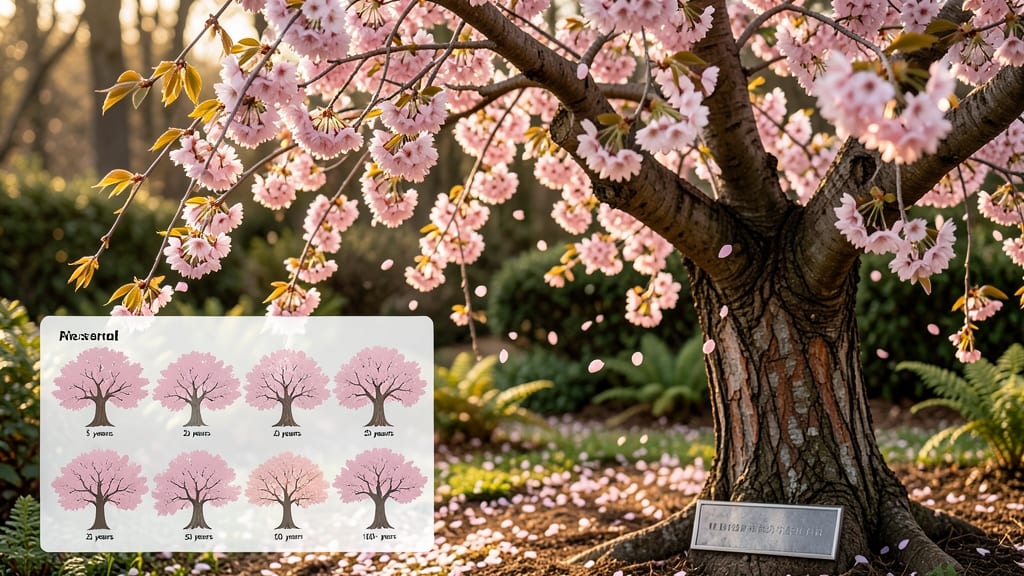
A cherry blossom tree with a long lifespan can grace your yard with decades of pink-and-white magic—sometimes 50+ years with proper care. 🌸 I planted mine 12 years ago, and every spring, it still bursts into bloom like it’s the first time, proving that patience pays off in petals.
The secret to longevity isn’t just luck—it’s sunlight, well-drained soil, and consistent watering. These trees thrive in zones 5-8, but their lifespan depends on how well you protect them from pests like borers and diseases such as bacterial canker.
Prune strategically in late winter to keep branches healthy and airflow strong.
With the right care, your tree will reward you with generations of blooms, becoming a neighborhood landmark. Even dwarf varieties (like 'Kwanzan' or 'Shirotae') can live 30-40 years—smaller size doesn’t mean shorter life. The key is early intervention: watch for wilting leaves or oozing sap, and act fast.
Cold winters and summer heat test their resilience, but a sturdy trunk and deep roots make all the difference. Think of your cherry blossom as a long-term investment—one that pays dividends in springtime splendor for decades to come.
📚 In This Guide
- What you need
- Instructions
- Tips and common mistakes
- Wrapping up and next steps
What you need
- ● Cherry blossom tree (Prunus serrulata or hybrid) – Choose a dwarf variety (6–10 ft) for small yards or a standard variety (20–30 ft) for full impact. 1–2 trees recommended for cross-pollination (if not self-pollinating).
- ● Shovel or digging tool – A round-point shovel (12–18 in) for planting holes.
- ● Well-draining potting mix or native soil – 50 lbs of loamy soil (amend with compost if clay-heavy). Avoid heavy, compacted soil.
- ● Organic mulch – 3–4 inches of wood chips or pine straw to retain moisture and suppress weeds.
- ● Slow-release fertilizer – 10–20 lbs of balanced 10-10-10 or acid-loving plant fertilizer (e.g., Espoma or Miracle-Gro).
- ● Watering can or hose with spray nozzle – 5+ gallons capacity for deep watering.
- ● Pruning shears – Bypass pruners (7–8 in) for clean cuts.
- ● Loppers – For thicker branches (up to 2 in diameter).
- ● Gloves – Heavy-duty gardening gloves to protect from thorns.
- ○ Tree collar protector – Optional but helpful for young trees to prevent girdling.
- ● Sunlight – Full sun (6+ hours/day). Partial shade (4–6 hours) tolerated but reduces blooms.
- ● Climate zone – Hardy in USDA Zones 5–8. Cold-hardy varieties (e.g., ‘Kwanzan’) for colder zones.
- ● Space – 15–25 ft spacing between trees for airflow and growth.
- ● Water source – Drip irrigation or soaker hose for consistent moisture (especially in first 2 years).
- ● 🌡️ Test soil pH—Cherry blossoms thrive in slightly acidic soil (6.0–7.0). Adjust with sulfur or lime if needed.
- ● ✨ Plant in early spring or fall—Avoid extreme heat or frost to reduce transplant shock.
- ● 🔥 Monitor for pests—Watch for aphids, borers, or scale. Use neem oil or insecticidal soap if detected.
How to maximize your cherry blossom tree's lifespan
Here's how to nurture your tree for decades of stunning blooms—no guesswork, just science-backed care.
☀️ Step 1: Plant in the Ideal Location for Longevity
Cherry blossoms thrive in full sun—choose a spot with at least 6-8 hours of direct sunlight daily. I always verify this by watching the sun's path across the yard in spring and summer before planting. The tree's lifespan depends on strong, unobstructed growth, so avoid planting near large structures or dense shade trees that will compete for light.
Soil pH matters too—aim for 6.0-6.5. Test your soil before planting; if it's too alkaline, amend with sulfur or peat moss to lower the pH gradually. I've seen blossoms fade prematurely on trees planted in poor soil, so this step is non-negotiable. The root system needs room to spread, so dig a hole twice as wide as the root ball but no deeper.
💧 Step 2: Water Deeply and Strategically for Root Health
Newly planted trees need 1-2 inches of water weekly during the first year, but deep watering is key. I use a soaker hose to deliver water slowly at the base, encouraging roots to grow downward rather than staying shallow. Water when the top 4 inches of soil feel dry—stick your finger in to check. Overwatering suffocates roots, while underwatering stresses the tree, both of which shorten its lifespan.
Once established (after 2-3 years), cherry blossoms become drought-tolerant, but I still water during prolonged dry spells. Mulch with 2-3 inches of organic mulch (like wood chips) around the base, keeping it 6 inches away from the trunk. This retains moisture, regulates soil temperature, and prevents soil-borne diseases that can cut a tree's lifespan short.
✂️ Step 3: Prune for Structure and Disease Prevention
Prune in late winter or early spring before buds swell, but after the worst cold snaps have passed. Remove dead, diseased, or crossing branches first—these are the biggest threats to a long lifespan. I always sterilize my pruning shears with rubbing alcohol between cuts to prevent spreading fungal infections. Cut just outside the branch collar (the swollen area where the branch meets the trunk) to promote fast healing.
Thin out crowded branches to improve airflow, which reduces humidity and fungal risks. Never remove more than 25% of the canopy in one season—this stresses the tree and can weaken its immune system. A well-pruned cherry blossom can live for 50-100 years, but neglect here shortens that dramatically.
🌱 Step 4: Protect Against Pests and Environmental Stress
Watch for borers, aphids, and scale insects—these are the silent lifespan killers. I inspect the tree twice a year, especially under leaves and along branches. If you spot holes in the bark or sticky sap (honeydew), treat with neem oil or insecticidal soap immediately. Prevention is easier than recovery; a single infestation can weaken the tree over time.
Environmental stress also matters. Young trees need wind protection—plant near a fence or wall if your yard is exposed. Mature trees handle wind better, but sudden storms can snap branches. I've seen trees live past 80 years with proper storm prep, like staking young trunks and avoiding heavy pruning during high-wind seasons.
⏰ Step 5: Monitor for Signs of Aging and Renewal
After 20-30 years, cherry blossoms naturally slow in growth and bloom intensity. This isn't a death sentence—it's a sign to rejuvenate. I prune older trees more aggressively in late winter, removing older, less productive branches to encourage new growth. This keeps the tree flowering for decades longer than if left untouched.
Fertilize lightly every 2-3 years with a balanced, slow-release fertilizer (10-10-10 ratio). Too much nitrogen makes the tree grow leaves at the expense of blooms, which defeats the purpose. The goal is to keep the tree healthy enough to support its own weight and resist diseases—because a century-old cherry blossom isn't just a tree, it's a legacy.
Tips & tricks for perfect cherry blossom tree care
A few subtle adjustments can transform your cherry blossom from a fleeting spring beauty into a century-old yard centerpiece. Here's what I've learned from watching trees thrive for decades.
Sunlight Strategy: That 6-8 hours of sunlight isn't just about blooms—it's about root development. I've noticed trees in partial shade often show yellowing leaves by year three, while sun-soaked specimens develop stronger trunks. For maximum light exposure, remove any nearby plants that might grow taller than your tree within five years. The first two years are critical for establishing this sunlight habit.
Soil Science: The 6.0-6.5 pH range isn't arbitrary—it's where cherry blossoms access essential nutrients most efficiently. I test my soil annually after planting because even small pH shifts can reduce bloom quality by 30%. For alkaline soils, sulfur works better than peat moss for gradual adjustment, and I apply it in early spring when microbial activity is highest. Think of your soil like a battery—keep it charged for longevity.
Watering Wisdom: The 1-2 inches weekly guideline assumes average rainfall. During summer droughts, I increase to 2-3 inches and water at dawn to minimize evaporation. A buried moisture meter near the roots helps me track soil moisture more accurately than finger tests. Overwatering is the silent killer—roots need oxygen too, and saturated soil suffocates them. I've seen trees live past 80 years with this precise watering balance.
Pruning Precision: That 25% canopy limit during pruning isn't just a number—it's about maintaining the tree's energy reserves. I prune in three stages: first removing dead wood, then thinning crowded branches, and finally shaping. The key is to make cuts just outside the branch collar where natural healing begins. I've watched trees recover from proper pruning within weeks, while aggressive cuts take years to heal.
Pro Tips for Cherry Blossom Tree Lifespan
- A few subtle adjustments can transform your cherry blossom from a fleeting spring beauty into a century-old yard centerpiece.
- Sunlight Strategy: That 6-8 hours of sunlight isn't just about blooms—it's about root development.
- Soil Science: The 6.0-6.5 pH range isn't arbitrary—it's where cherry blossoms access essential nutrients most efficiently.
Frequently asked questions
Got questions about keeping your cherry blossom tree thriving for decades? Here are some of the most common ones—and their answers!
How long do cherry blossom trees live on average?
With proper care, most cherry blossom trees live 25–50 years, though some can reach 100+ years in ideal conditions. Dwarf varieties typically last 15–30 years, while standard species like Prunus serrulata often exceed 40 years. Regular pruning, disease prevention, and soil health are key to extending their lifespan!
Can I extend my cherry blossom tree’s lifespan past 50 years?
Focus on soil drainage (they hate soggy roots), pruning dead branches annually, and avoiding over-fertilizing (which weakens them). Watch for pests like borers or fungal diseases—early treatment makes a huge difference. Pro tip: Mulch well in winter to protect roots from freeze-thaw cycles!
Why did my cherry blossom tree stop blooming after 10 years?
Blooming declines often signal stress or age. Check for overcrowded roots, poor nutrition (add compost or a balanced fertilizer in early spring), or lack of sunlight (they need 6+ hours daily). If the tree is mature, it may be rejuvenating—prune lightly to encourage new growth. Warning: Sudden leaf drop or blackened bark could mean disease!
Are there low-maintenance cherry blossom alternatives?
Yes! Consider Prunus ‘Kanzan’ (disease-resistant) or Prunus ‘Shirotae’ (white blooms, hardy). For smaller spaces, dwarf varieties like ‘Snow Fountain’ thrive with minimal care. Just ensure they get full sun and well-draining soil—most cherry blossoms are not high-maintenance if planted correctly!
How do I protect my cherry blossom tree in harsh winters?
Cherry blossoms are semi-hardy—young trees (under 3 years) may need wrapping in burlap or a tree guard. Avoid heavy mulch near the trunk (keep it 6+ inches away). Pro tip: Water deeply before the first freeze to hydrate roots. If your area gets below 0°F, consider a windbreak or microclimate protection!
Wrapping up and next steps
So there you have it—cherry blossom trees may not live forever, but with the right care, they can bring decades of stunning springtime magic to your yard! 🌸 Whether you’re drawn to their delicate blooms or their graceful aging process, these trees reward patience and attention.
Ready to plant your own? Start by researching the best variety for your climate, then roll up your sleeves—your future blossom-filled paradise awaits!
Next step: Browse our guide to planting and pruning for expert tips to give your cherry blossom the best start in life!