
Trees
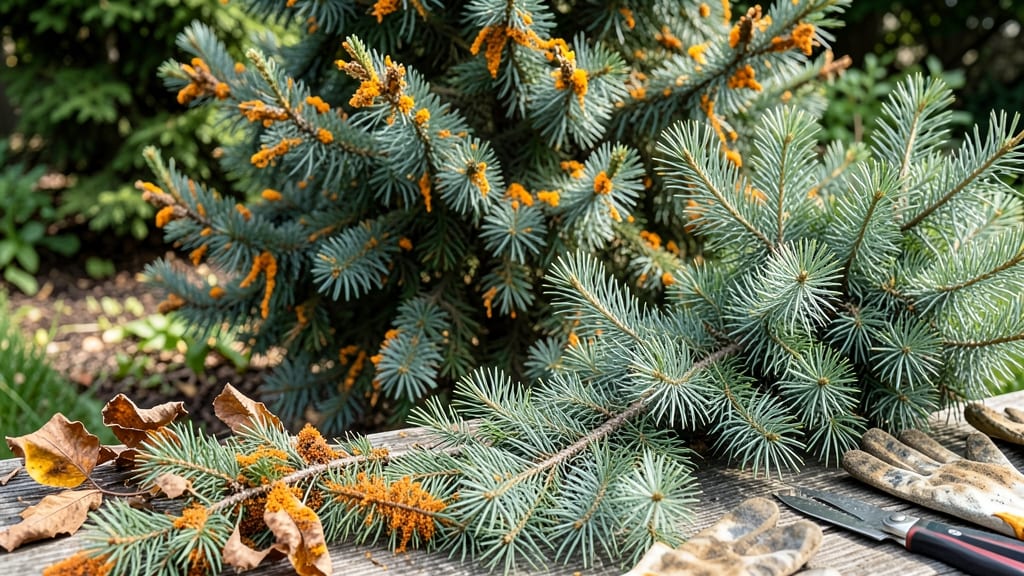
Those bright orange pustules erupting on your cedar tree rust-infested branches? That’s an unsightly fungal blight that weakens trees if ignored. 🌲 I’ve battled this scourge in my own yard, and the organic spray fix I’ll share here has saved multiple cedars from decline.
The key is acting fast before the spores spread to nearby junipers or apples. This isn’t just about spraying—it’s about understanding the fungus’s life cycle. Those bright orange galls you see? They’re spore factories that launch in spring, infecting new hosts.
Proper pruning (removing infected branches 6 inches below the pustules) and sanitation (sterilizing tools with 70% rubbing alcohol) cut off the infection chain before it starts. With the right organic mix—neem oil, copper soap, and baking soda—you’ll see pustules shrink within 2-3 weeks.
Your cedar’s needles will thicken, branches will stop shedding, and the tree will regain its vibrant green strength. The secret? Consistency in treatment during wet springs when spores thrive. Works for Eastern red cedar, juniper, and apple trees too. Let’s get those branches healthy again—without harsh chemicals.
The Hidden Triggers Behind Fungal Blight
Cedar tree rust isn’t just a random attack—it’s a deliberate fungal takeover fueled by specific conditions. Understanding these triggers helps you prevent outbreaks before they start. Let’s break down the science behind why cedar trees fall victim to rust.
The rust fungus Gymnosporangium juniperi-virginianae thrives on a two-host lifecycle, alternating between juniper (like cedar) and apple, crabapple, or hawthorn trees. Here’s how it works:
- 🔬 Step 1: Spores Hatch – In spring, rust spores (called teliospores) on cedar trees germinate when temperatures hit 50–60°F (10–15°C) and moisture lingers for 6+ hours. Think damp mornings after rain—perfect spore-launching weather.
- 🍎 Step 2: Jump to Fruit Trees – Spores travel via wind or splashing rain to nearby Rhododendron or Crataegus (hawthorn) trees. There, they infect leaves, forming bright orange galls that release basidiospores—the next generation.
- 🌲 Step 3: Return to Cedar – By summer, these spores drift back to cedars, completing the cycle. Without a nearby alternate host, rust can’t survive long-term.
Actionable Fix: If you see rust galls on apple or hawthorn trees, remove and destroy them immediately to break the cycle.
Rust spores need moisture to germinate and spread. Here’s why your cedar is at risk:
| Factor | Why It Matters | How to Counter It |
|---|---|---|
| 💧 Prolonged Leaf Wetness | Spores germinate in 4–12 hours of wetness. Dense foliage traps moisture, creating a rust paradise. | ✅ Improve airflow by pruning overgrown branches (aim for 20–30% sunlight reaching the canopy). |
| 🌊 Rain Splashes | Water droplets catapult spores from infected leaves to healthy ones. Low-hanging branches are prime targets. | ✅ Raise mulch beds and avoid overhead watering during outbreaks. |
| ☁️ High Humidity | Humidity > 70% for 3+ days keeps spores active. Coastal or shaded cedars are especially vulnerable. | ✅ Install a dehumidifier in greenhouses or use fungicide sprays before rain. |
A healthy cedar resists rust better, but stress opens the door for fungi. Common culprits:
- 🌞 Sunburn – Young cedars in full sun develop thin bark, making them easier for spores to penetrate.
- 💧 Over/Under-Watering – Drought stress weakens roots, while waterlogged soil invites root rot, both reducing rust resistance.
- 🐛 Pests – Bagworms or spider mites damage foliage, creating entry points for rust spores.
- 🌱 Poor Soil – Compacted or nutrient-poor soil starves cedars, making them 3x more susceptible to fungal attacks.
Pro Tip: Test your soil (pH 6.0–7.0 is ideal for cedars) and mulch with cedar chips (natural fungicide!) to boost resilience.
When cedars grow too close together, shaded branches develop:
- 🔹 Thinner bark (easier spore entry)
- 🔹 Higher humidity (trapped moisture)
- 🔹 Slower healing of rust lesions
Solution: Thin out trees to 6–8 feet apart and prune crossing branches to improve airflow. 💡 Top tip: Prune in late winter (before spore season) to minimize stress.
Fixing Fungal Blight Naturally
Fungal infections like cedar tree rust may seem daunting, but with the right approach, you can restore your trees to health—without harsh chemicals. The key is to act early, combine targeted treatments, and reinforce your trees’ natural defenses.
Below, we break down cause-specific solutions to tackle cedar tree rust effectively, along with prevention tips to keep future outbreaks at bay.
Cause: Overcrowded branches or fallen needles create a damp, ideal environment for spores to spread. Fix:
- 🔪 Trim infected branches at least 6 inches below visible rust spots (use sterilized pruners to avoid cross-contamination).
- 🗑️ Clear fallen needles and leaf litter from the base of the tree—these harbor spores. Bag and dispose of debris in sealed trash.
- ⏰ Do this in early spring (before spores release) or late fall (after leaf drop) for maximum impact.
💡 Pro Tip: Sterilize pruning tools with 70% rubbing alcohol or a 10% bleach solution (1 part bleach to 9 parts water) between cuts to prevent spreading the fungus.
Cause: Existing rust colonies need to be suppressed while the tree recovers. Fix:
- 🍄 Use copper-based sprays (like copper fungicide or copper soap)—these disrupt fungal cell walls. Follow label instructions for dilution (typically 1–2 tbsp per gallon of water).
- 🌱 Try neem oil spray (1–2% concentration) for a gentler, organic option. It smothers spores and inhibits growth. Reapply every 7–14 days during wet seasons.
- 🌡️ Time it right: Apply sprays early morning or late evening to avoid burning leaves in direct sunlight.
✨ Bonus: Mix 1 tbsp baking soda + 1 tsp dish soap + 1 gallon water for a DIY fungicide (test on a small branch first).
Cause: Weak trees are more susceptible to fungal attacks due to poor soil health or nutrient deficiencies. Fix:
- 📊 Test your soil (a simple kit from a garden center works) and amend with compost or well-rotted manure to improve drainage and microbial activity.
- 💪 Fertilize lightly with a balanced organic fertilizer (10-10-10 or similar) in early spring. Avoid over-fertilizing—too much nitrogen weakens defenses.
- 🍎 Add mycorrhizal fungi (available as powders or granules) to enhance root health and resistance.
🎯 Prevention Tip: Mulch around the base of the tree with wood chips or pine straw (keep 3–4 inches away from the trunk) to improve soil moisture retention without creating soggy conditions.
Cause: Cedar trees thrive in dry conditions—excess humidity or poor airflow accelerates rust spread. Fix:
- 🌳 Thin out dense branches to allow sunlight and air to circulate. Aim for 20–30% less foliage if the tree is overly crowded.
- 💦 Water at the base, not overhead—avoid wetting leaves, which prolongs moisture on the surface.
- 🌡️ Install a drip irrigation system (if possible) to keep water off the canopy during growing seasons.
🔥 Warning: Never water in the evening—wet leaves overnight invite fungal growth.
Cause: Rust spores can linger in the environment, waiting for the right conditions to re-infect. Fix:
- 🌱 Plant resistant varieties if possible (e.g., ‘Green Spire’ or ‘Emerald Green’ cedars are less susceptible).
- 🌿 Rotate organic treatments seasonally—don’t rely on one method year-round.
- 🚫 Avoid wounding trees during pruning (e.g., don’t cut into old scars or bark). Smooth cuts heal faster and resist infection.
💡 Pro Tip: Monitor nearby trees—cedar rust spores can jump to junipers, arborvitae, or even fruit trees. Treat the whole area if multiple species are affected.
Final Note: Patience is key—some trees recover in 1–2 seasons with consistent care, while others may need 3+ years of maintenance. Stay vigilant, and your cedars will bounce back stronger! 🌲💚
Frequently asked questions about cedar tree rust
What do those bright orange patches on my cedar branches mean?
Those are cedar apple rust galls—they’re fungal spore factories! The orange pustules contain Gymnosporangium spores that spread to nearby apple or hawthorn trees. The good news? They’re not harmful to the tree’s health, but they’re a clear sign your cedar needs treatment to prevent further spread.
Can I save my cedar tree if it already has rust?
Yes! Start by pruning infected branches 6 inches below the pustules (use sterilized tools) and apply a copper fungicide or neem oil spray. With consistent care, most cedars recover within 1-2 seasons. The key is acting fast before spores spread to other trees in your yard.
Why does cedar rust keep coming back every spring?
This fungus has a two-host lifecycle—it alternates between cedars and apple/hawthorn trees. If nearby fruit trees have rust galls, spores will keep reinfecting your cedar. Remove all infected galls from alternate hosts and treat both tree types simultaneously to break the cycle.
Is cedar tree rust contagious to other plants?
Yes, but only to specific hosts. The rust fungus primarily jumps between cedars/juniper and apple, crabapple, or hawthorn trees. It won’t infect roses, shrubs, or vegetables. Monitor nearby fruit trees—if they develop orange galls, treat them too to protect your cedars.
Will my cedar tree die if I don’t treat the rust?
Unlikely to die, but severe infections can weaken the tree over time, making it more susceptible to pests and other diseases. While cedars are hardy, chronic rust stress reduces their natural defenses. Early treatment prevents long-term damage and keeps your tree thriving for decades.