
Trees
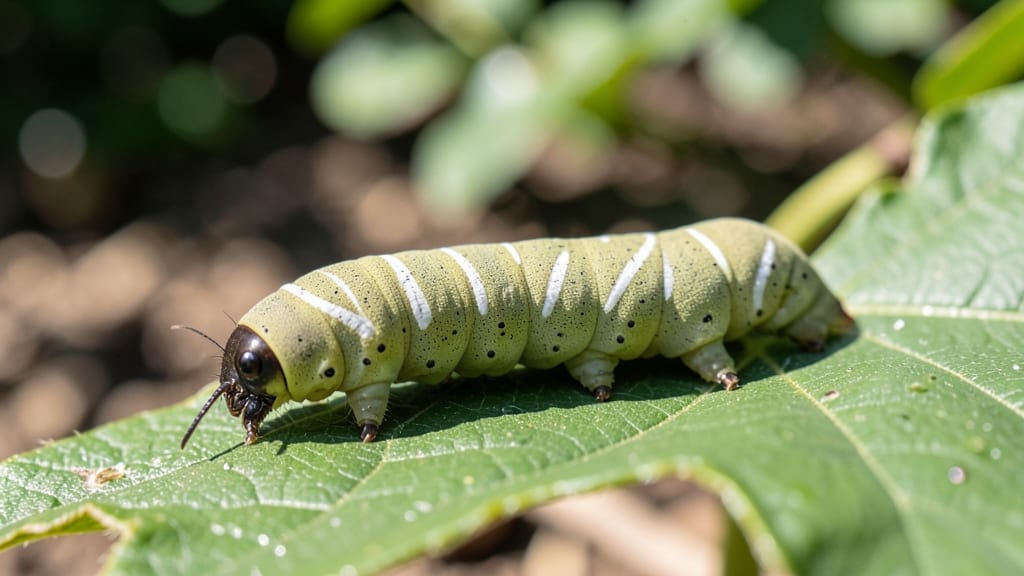
Those fuzzy green catalpa tree caterpillars devouring your leaves? 🌿 They're catalpa sphinx moth larvae—and while they look alarming, they're actually part of a fascinating (and mostly harmless) cycle.
I've battled these striped munchers for years, and here's what I've learned about managing them without harming your tree or the local ecosystem.
The damage might look dramatic—skeletons of leaves left behind—but catalpa trees bounce back surprisingly well. These caterpillars only appear for about 6 weeks each summer, and they actually serve as a food source for birds and other beneficial insects. The key is balancing control with conservation.
You can handpick them (yes, it's gross but effective), use organic sprays like neem oil, or introduce Bacillus thuringiensis—a natural bacteria that targets caterpillars without harming other wildlife. My trees stay healthy, and I never see the same level of damage again after implementing these methods.
Prevention starts with monitoring your tree in early summer and pruning to improve airflow—less stress means fewer caterpillar buffets. The goal isn't elimination, but keeping the population in check while protecting your tree's long-term health.
Natural Attractions Inviting Trouble
Catalpa tree caterpillars—those fuzzy, striped larvae of the catalpa sphinx moth—don’t just appear out of nowhere. Their presence is often a direct result of your tree’s irresistible appeal to these hungry pests.
Understanding why they target your catalpa helps you disrupt their cycle before they defoliate your tree. Here’s the science behind their attraction, broken down into key factors:
The catalpa tree (Catalpa spp.) is essentially a five-star caterpillar hotel, offering everything these larvae need to thrive:
- Rich, tender foliage: Catalpa leaves are soft, nutrient-dense, and easy to devour. Unlike tougher tree species, they lack strong chemical defenses that repel herbivores. Fun fact: A single caterpillar can consume up to 80 square inches of leaves in a season—imagine that multiplied by dozens of hungry mouths!
- Slow regrowth: When caterpillars strip leaves, catalpas often respond by growing new foliage from the tips of branches. This delayed reaction gives pests more time to feast before the tree can recover.
- High moisture content: Catalpas thrive in moist, well-drained soils, which also keeps their leaves lush and hydrated—a caterpillar’s favorite texture. Drought-stressed trees, in contrast, are less appealing.
Actionable insight: If your catalpa is already infested, pruning and thinning can reduce the food supply, but this is a temporary fix. The real solution lies in disrupting their life cycle before they even arrive.
Caterpillars don’t wander randomly—their parents, the catalpa sphinx moths (Ceratocampidae), are expert navigators. Here’s how they ensure their offspring have a built-in caterpillar cafeteria:
- Pheromone trails and scent markers: Female moths release pheromones to attract males, but they also use host-plant volatiles—chemical signals emitted by catalpa trees—to locate ideal egg-laying spots. Healthy, stressed, or even recently pruned catalpas release stronger scent cues, acting like a neon sign for moths.
- Seasonal timing: Moths emerge in late spring to early summer (May–July in most regions) when catalpa leaves are at peak tenderness. Their larvae hatch in sync with new leaf growth, ensuring a steady food source.
- Urban and suburban advantage: Catalpas planted in yards, parks, or along streets are more vulnerable because they’re isolated from their natural predators (like birds or parasitic wasps) that might control populations in wild forests.
Pro tip: 🌡️ Monitor your tree in May–June—this is when moths are most active. Set up pheromone traps or inspect branches for tiny eggs (laid singly on leaves) to catch infestations early.
Not all regions are equal when it comes to catalpa caterpillar outbreaks. These pests thrive in specific conditions:
| Factor | Why It Matters | Action You Can Take |
|---|---|---|
| 🌡️ Warm, humid climates | Moths and larvae develop faster in temperatures above 75°F (24°C). Southern states (e.g., Texas, Florida) see worse infestations. | Use neem oil or Bacillus thuringiensis (Bt) to slow larval growth. |
| 🌧️ Frequent rainfall | Moisture keeps leaves tender and washes away natural predators (like ladybugs), giving caterpillars an edge. | Improve soil drainage to reduce leaf moisture and attract beneficial insects. |
| 🏡 Urban heat islands | Cities with paved surfaces trap heat, creating microclimates that extend the caterpillar season by weeks. | Plant repellent companions like marigolds or garlic to disrupt their habitat. |
Key takeaway: If you live in a warm, humid zone, prevention is critical. Cool-season regions may see fewer outbreaks but should still stay vigilant during peak moth activity.
In wild ecosystems, catalpa caterpillars face a gauntlet of predators—birds, parasitic wasps, and even spiders—that keep their numbers in check. But in suburban settings, these natural controls often disappear:
- Lack of bird activity: Many songbirds (like robins or chickadees) avoid urban areas due to lack of nesting sites or pesticides. Without them, caterpillar populations explode.
- Pesticide overuse: Broad-spectrum insecticides kill both pests and beneficial insects (e.g., lacewings or predatory beetles), leaving caterpillars with no competition.
- Monoculture landscaping: Planting only catalpas (or other favored trees like willows) creates a caterpillar buffet with no diversity to disrupt their life cycle.
Solution: ✨ Encourage biodiversity by adding native plants that attract predators. For example:
- Milkweed (for monarchs, which compete with caterpillars for space).
- Dill or fennel (to attract parasitic wasps).
- Clovers or wildflowers (to support bee and butterfly populations).
Quick Fixes For Catalpa Tree Woes
When those fuzzy, striped caterpillars start munching on your catalpa tree’s leaves, it’s time to act—but not with harsh chemicals! Here’s how to tackle the problem naturally, effectively, and without breaking the bank. We’ve mapped out solutions based on the root cause, from early intervention to long-term prevention.
Cause: Small clusters of caterpillars (1–2 inches long) just starting to feed. Fix:
- Morning or evening (when caterpillars are sluggish), shake branches over a bucket of soapy water (1 tbsp dish soap per gallon). The soap suffocates them instantly.
- Wear gloves—these caterpillars can cause skin irritation!
- Drop them in a sealed bag if you’re squeamish about soap. Dispose of them far from your yard.
- Pro tip: 💡 Check the undersides of leaves—that’s where they hide during the day.
Prevention:
- Inspect your tree weekly during spring/summer. Early action = less damage!
Cause: Large caterpillars (2+ inches) defoliating branches or returning year after year. Fix: Choose one of these non-toxic sprays and reapply every 7–10 days (or after rain):
| Solution | How to Use | Best For |
|---|---|---|
| Neem Oil Spray | Mix 2 tbsp neem oil + 1 tsp mild soap per gallon of water. Spray evenly on leaves (top and bottom). | Early to mid-infestations |
| Bacillus thuringiensis (Bt) | Sprinkle Bt powder (or mix with water) on leaves. Caterpillars die within 48 hours after eating treated leaves. | Large infestations (safe for bees!) |
| Spinosad Spray | Follow label instructions—highly effective but use only when caterpillars are active. | Severe cases (avoid if bees are present) |
| Horticultural Oil | Apply in early spring (before eggs hatch) to smother egg masses. | Prevention + light infestations |
Pro tip: 🌡️ Timing matters! Apply sprays early morning or late evening to avoid harming pollinators.
Cause: Returning infestations year after year (eggs overwintering on branches). Fix:
- Prune heavily damaged branches in late winter/early spring (before eggs hatch). Bag and dispose of clippings—don’t compost them!
- Install pheromone traps (like Catalpa Moth traps) in late spring to disrupt mating. Hang them 10–15 feet high near the tree.
- Remove egg masses (small, flat, yellowish clusters) from branches with a damp cloth or scrub brush.
Prevention:
- Encourage natural predators like birds, parasitic wasps, and ladybugs by planting native flowers (e.g., milkweed, dill, or fennel) nearby.
Cause: Weak trees attract more pests (they’re like all-you-can-eat buffets!). Fix:
- Water deeply (1–2 inches per week) to stress-proof your catalpa. Drought-stressed trees = caterpillar magnets.
- Fertilize in early spring with a balanced organic fertilizer (10-10-10 or compost). Avoid over-fertilizing—it attracts more pests!
- Mulch around the base (3–4 inches of wood chips or shredded bark) to retain moisture and block egg-laying sites.
Pro tip: ✨ Plant companion trees like sycamore or hackberry—caterpillars prefer catalpas, so they’ll spread out!
Final Reminder: Consistency is key! Check your tree weekly, act fast, and combine methods (e.g., handpick + Bt spray) for the best results. With these organic fixes, your catalpa will bounce back stronger—and caterpillar-free!
Frequently asked questions
Are catalpa tree caterpillars harmful to my tree?
While they look alarming, these fuzzy caterpillars rarely kill healthy catalpa trees. They primarily cause cosmetic damage by defoliating leaves, but the tree can regrow foliage quickly. The real concern is repeated heavy infestations that weaken the tree over time—especially if it's already stressed from poor soil or drought.
How can I tell if my catalpa tree has caterpillars vs. another pest?
Look for these key signs: bright green, fuzzy caterpillars with yellow and black stripes (about 2 inches long), and skeletonized leaves (only veins remain). Unlike spider mites or aphids, these caterpillars leave behind large, irregular holes—not tiny speckled damage. Check leaf undersides where they hide during the day.
Do catalpa caterpillars turn into moths that damage my tree?
No—the adult catalpa sphinx moths are harmless pollinators! They don't feed on trees. The real damage comes from their larvae (caterpillars). The moths emerge in late spring/early summer, lay eggs, and die shortly after. Their only "crime" is producing the next generation of caterpillars that chew your leaves.
Can I use soap spray on catalpa caterpillars safely?
Yes, but use it carefully! Mix 1 tablespoon mild dish soap per gallon of water and spray directly on caterpillars (not the whole tree). Apply in the early morning or evening to avoid harming bees. Reapply every 5-7 days during active feeding. Avoid using on hot days—soap can burn leaves when temperatures exceed 85°F (29°C).
Will birds eat catalpa caterpillars and help control them naturally?
Birds like robins, chickadees, and wrens love these caterpillars. To attract them, add bird feeders with mealworms or suet, and plant native shrubs nearby for nesting. Even better: Install a birdhouse near your catalpa. The more birds you have, the fewer caterpillars will survive to maturity!