
Trees
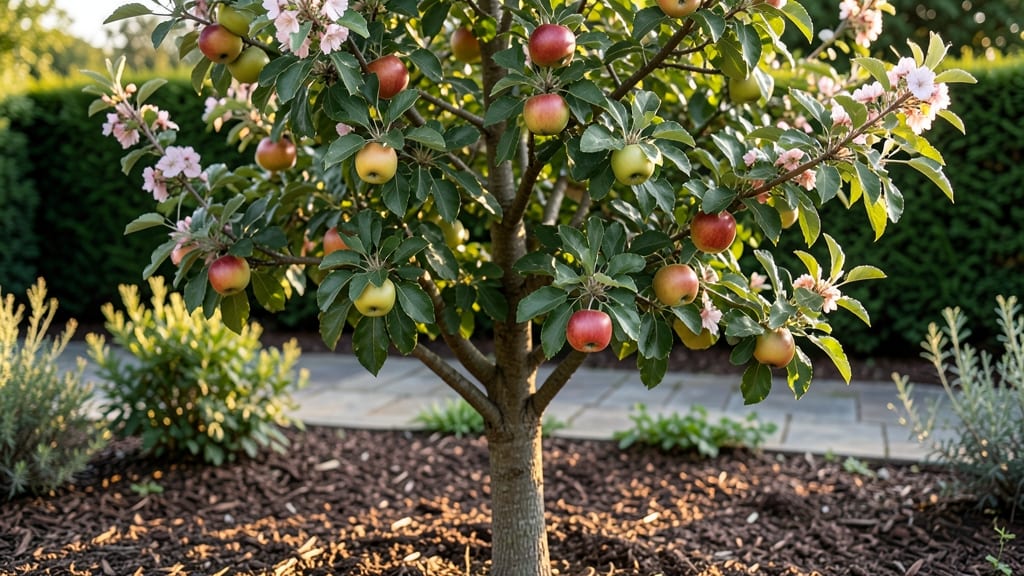
For growing apple trees in Zone 9, choose heat-tolerant varieties like Anna, Dorsett Golden, or Ein Shemer that handle warm climates while still producing fruit. These varieties thrive with 200-400 hours of winter chilling and benefit from afternoon shade to prevent sunburn and stress.
Zone 9's warm winters and hot summers create unique challenges for apple trees, but the right varieties can flourish. 🌳 The key is selecting cultivars bred for low chilling requirements—these trees enter dormancy earlier and produce fruit even with fewer cold hours.
Anna apples, for example, are known for their drought tolerance, while Dorsett Golden handles humidity better than traditional varieties. I always recommend planting in late winter or early spring when soil temperatures are stable, and mulching heavily to retain moisture during the dry season.
Another critical factor is rootstock selection—dwarfing rootstocks like M.9 or B.9 can reduce water needs while maintaining fruit quality. Pruning in late winter (before buds swell) helps manage summer heat stress, and providing afternoon shade with nearby trees or shade cloth prevents sunburn on delicate fruit.
With these adjustments, you can enjoy a productive apple harvest even in the hottest climates.
💡 In This Article
- Why Zone 9 Apple Trees Need Special Varieties
- Zone 9 Apple Tree Planting and Care Checklist
Why Zone 9 apple trees need special varieties
Zone 9's warm climate disrupts apple trees' natural dormancy cycle because traditional varieties require 600-1,000 hours of temperatures below 45°F to set fruit.
Special Zone 9 varieties like Anna or Dorsett Golden only need 200-400 hours of chilling, making them perfect for regions where winter temperatures rarely drop below 50°F.
These trees trigger flowering earlier in spring when temperatures stabilize, avoiding the risk of frost damage that would ruin blossoms in standard varieties.
The science behind this adaptation involves genetic modifications in these cultivars. For example, Anna apples have a modified FT (FLOWERING LOCUS T) gene that responds to shorter cold periods, while their root systems develop deeper to access moisture during summer droughts.
Dorsett Golden's skin also contains higher levels of wax coatings that reduce water loss—visible as a subtle sheen when you run your thumb across the fruit's surface. 🌡️ This natural adaptation helps them survive Zone 9's intense heat while maintaining productivity.
Rootstock selection plays a crucial role too. Dwarfing rootstocks like M.9 or B.9 help trees manage water stress better than standard seedling rootstocks. These rootstocks develop finer, more extensive root networks that spread horizontally rather than vertically, making them more efficient at absorbing water from deeper soil layers.
The trade-off? They produce smaller trees that require more frequent pruning to maintain shape and airflow during humid summers.
Disease resistance becomes another critical factor in Zone 9's climate. Traditional apple varieties often succumb to fungal infections like powdery mildew or black rot when summer humidity exceeds 70%. Zone 9-specific cultivars have been bred to resist these pathogens through natural genetic resistance.
For instance, Ein Shemer apples show remarkable tolerance to apple scab, a common fungal disease that thrives in warm, wet conditions—something you'll rarely see affecting these trees even after heavy rains.
Consider the sensory differences too. Zone 9 apples often develop more concentrated flavors because their shorter growing season forces the tree to focus energy on fruit development rather than foliage growth. Anna apples, for example, have a crisp texture with a sweet-tart balance that intensifies when grown in hot climates.
The skin remains firm and glossy even after prolonged exposure to sun, unlike traditional varieties that may develop sunburn spots during summer.
What most gardeners don't realize is how these varieties handle summer heat differently. While standard apple trees may enter a form of heat stress when temperatures exceed 90°F, Zone 9 varieties continue photosynthesizing efficiently due to their thicker cuticles and higher leaf temperature tolerance.
You'll notice their leaves stay a vibrant green throughout summer, whereas other varieties may show yellowing or curling during heatwaves.