
Pruning
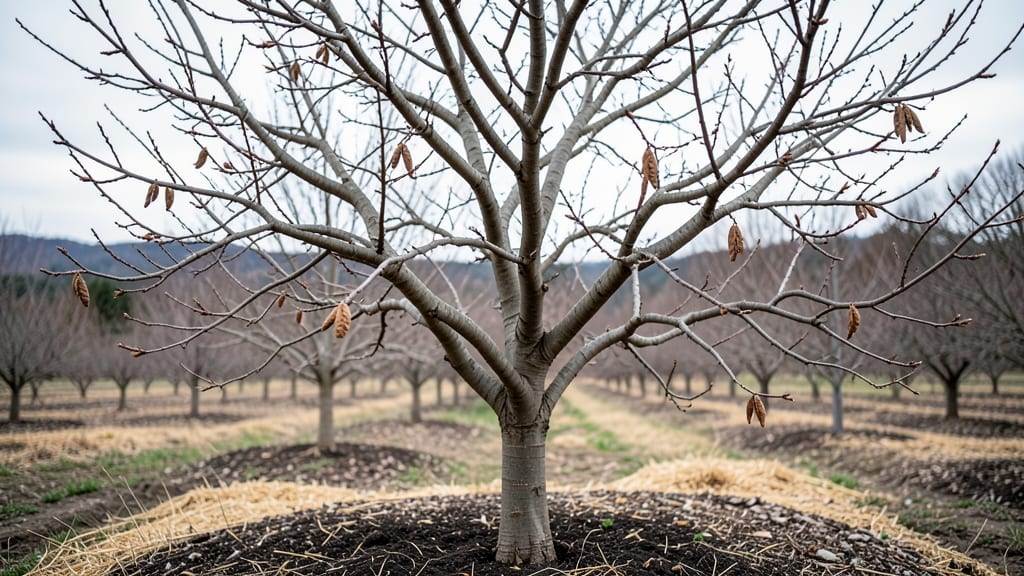
Winter pruning your almond tree is the secret to stronger growth next spring—when you cut at the right time, you shape the tree and encourage more blossoms. ✂️ I’ve pruned my own for years, and the difference between a neglected tree and one that bursts with new life in March is all in the timing and technique.
The key? Pruning while the tree is fully dormant but before the sap starts flowing—usually between late winter and early spring, depending on your zone.
You’ll need sharp pruning shears, a ladder (for taller branches), and a clear day—no rain or frost in the forecast. The goal is to remove dead, diseased, or crossing branches first, then thin out the canopy to let sunlight reach the center.
Almond trees hate crowded branches, and opening them up prevents future rot. Think of it like giving your tree a spa day: less clutter means more energy for fruit production.
By the time spring rolls around, you’ll see fresh green shoots where you made cuts, and those blossoms will be thicker and healthier than ever. The tree will reward your effort with better air circulation, fewer pest issues, and a stronger structure to support next year’s harvest.
Plus, winter pruning means no messy sap or pests to deal with—just clean cuts and clear skies.
Works for both young saplings and mature trees, though young trees need more aggressive shaping. If you’re in a colder zone, wait until after the last frost date to avoid damaging tender new growth. Here’s how to do it right without over-pruning (trust me, I’ve killed branches that way too).
📚 In This Guide
- What you need
- Instructions
- Tips and common mistakes
- Wrapping up and next steps
What you need
- ● Pruning shears or lopers – Bypass-style, sharp, and sterilized (for cutting branches up to ½ inch thick).
- ● Pruning saw – For thicker branches (1+ inch diameter) (look for a curved blade for precision).
- ● Gloves – Heavy-duty, cut-resistant (to protect from thorns and rough bark).
- ● Disinfectant (70% isopropyl alcohol or bleach solution) – 1 part bleach to 9 parts water (to sterilize tools between cuts and prevent disease).
- ● Rubbing alcohol or hand sanitizer – For cleaning hands after pruning (especially if you’re handling multiple trees).
- ○ Tarp or drop cloth – To collect pruned branches and debris (optional but makes cleanup easier!).
- ● Ladder or sturdy step stool – If your tree is taller than 6 feet (safety first!).
- ● Pruning sealant or wound dressing – For large cuts (over 1 inch) (controversial but can help reduce disease risk in some cases).
- ● Marking twine or flags – To tag branches for removal (if you’re unsure about cuts and want a second opinion).
- ● Work gloves with grip – For extra comfort (especially if you’re pruning for hours).
- ● Pruning guide or ruler – For measuring cuts (helps ensure clean, angled cuts).
- ● Compost bin or wheelbarrow – For hauling away pruned wood (great for mulch or firewood!).
Step-by-step instructions for winter pruning your almond tree
Here's the method I've used for years to keep my almond trees healthy and productive through winter.
✂️ Step 1: Choose the Right Time to Prune
Wait until the tree is fully dormant, after the first hard frost but before new growth starts in early spring. I aim for late winter—typically February or early March in most climates. The key is that the tree has shed all leaves and sap flow has slowed dramatically. You'll know it's time when the ground is frozen at night but thaws during the day.
Pruning too early leaves cuts open to disease, while pruning too late encourages tender new growth that won't survive late frosts. If you're unsure, wait until you see at least 3 consecutive nights below 25°F. This ensures the tree's natural defenses are fully engaged.
🪴 Step 2: Gather Your Tools and Safety Gear
You'll need sharp bypass pruners for small branches, loppers for medium branches up to 2 inches thick, and a pruning saw for anything larger. I also wear gloves and eye protection—almond tree branches can snap back unexpectedly. Have a bucket or tarp handy to collect the pruned branches for cleanup.
Disinfect your tools with rubbing alcohol between cuts to prevent spreading disease. I keep a small spray bottle of 70% isopropyl alcohol in my tool bag specifically for this. Sharp tools make cleaner cuts that heal faster, so take 5 minutes to sharpen your blades before starting.
☀️ Step 3: Remove Dead, Diseased, or Crossing Branches First
Start by eliminating any branches that are dead, diseased, or rubbing against each other. Dead wood is easy to spot—it's dry, brittle, and won't snap when you bend it slightly. Diseased branches often have discolored bark, oozing sap, or fungal growth. Cut these out first, removing them at the branch collar (the swollen area where the branch meets the trunk).
Crossing branches compete for resources and create entry points for pests. Look for branches growing toward the center of the tree or crossing over others. Make your cuts just outside the branch collar at a 45-degree angle. This ensures proper healing and prevents water from pooling where the cut was made.
✂️ Step 4: Thin the Canopy for Better Airflow
Next, thin out the canopy to improve light penetration and airflow. Remove about 20-30% of the smaller branches to open up the center of the tree. Focus on branches that are growing inward or downward. You want to create an open vase shape that allows sunlight to reach all parts of the tree. Look for branches that are less than 1/3 the diameter of the trunk—these are easier to remove and won't disrupt the tree's structure.
When thinning, make your cuts just outside a side branch or bud. Avoid leaving stubs, as they can attract pests and disease. If you're unsure which branch to remove, imagine the tree from above—your goal is to create a balanced, open shape that resembles an upside-down cone.
⏰ Step 5: Shape the Tree and Prepare for Spring Growth
Finally, shape the tree by pruning to encourage strong, outward growth. Focus on reducing the height of the tree if it's too tall, and remove any branches that are growing straight up (called "water sprouts"). These vertical branches are weak and compete with the main structure. Cut them back to a lateral branch or bud that's growing outward.
Step back frequently to assess the tree's shape. You want a balanced, open structure with a strong central leader (the main upward-growing branch). Avoid over-pruning—never remove more than 25% of the tree's foliage in one season. After pruning, apply a tree sealant to larger cuts to protect them from disease and pests.
Tips & tricks for perfect almond tree winter pruning
Winter pruning transforms your almond tree's future—here's how to get it right the first time.
The Timing Secret: That 25°F threshold isn't just a number—it's your tree's natural protection signal. After three consecutive nights below this, the tree's defenses are fully engaged, making it far less vulnerable to disease from pruning cuts. I've learned this the hard way after seeing pruning wounds get infected when done too early, so don't rush this step! The February-March window is perfect because it gives the tree time to heal before spring growth begins.
Tool Prep That Saves Time: Those 5 minutes you spend sharpening your tools before starting make all the difference. Dull blades crush fibers instead of cutting cleanly, which creates larger wounds that take longer to heal. I keep a small whetstone in my tool bag specifically for this—just a few strokes on each blade ensures clean cuts. Pro tip: Wipe tools with rubbing alcohol between cuts on diseased branches to prevent cross-contamination.
Visual Cues for Better Pruning: When thinning the canopy (Step 4), imagine your tree as an upside-down cone. Branches growing inward should go first—they block sunlight and airflow. For the 20-30% thinning guideline, think of it as removing every other small branch that's growing toward the center. The branch collar should always be visible after cutting—it's the tree's natural healing zone, so never cut flush with the trunk.
Shape Check: After pruning, step back and look at your tree from all sides. You should see an open center with branches spreading outward like a dome. This shape prevents branches from rubbing against each other and ensures sunlight reaches all parts of the tree. If you're unsure about a cut, wait 24 hours—sometimes a fresh look reveals what needs adjustment.
Pro Tips for Almond Tree Winter
- Winter pruning transforms your almond tree's future—here's how to get it right the first time.
- The Timing Secret: That 25°F threshold isn't just a number—it's your tree's natural protection signal.
- Tool Prep That Saves Time: Those 5 minutes you spend sharpening your tools before starting make all the difference.
Frequently asked questions
Got questions about winter pruning your almond trees?
You’re not alone! Here are answers to the most common concerns—so you can prune like a pro and set your tree up for a bountiful harvest.
When is the exact best time to prune almond trees in winter?
Prune dormant almond trees between late winter (January–February) in colder climates, or early winter (December–January) in milder regions. Aim for 2–4 weeks before bud break—this timing balances frost risk and sap flow. Avoid pruning after buds swell, as new growth is vulnerable to late frosts.
How much should I cut back? Should I remove entire branches?
Remove no more than 20–25% of the tree’s canopy per year to avoid stress. Focus on:
- Dead, diseased, or crossing branches (cut to the trunk or lateral branch).
- Suckers (vigorous shoots from the base).
- Overlapping branches to improve airflow.
What if it’s too cold to prune? Can I wait until spring?
Wait for temperatures above 40°F (4°C)—dormant pruning is easier and cleaner, but spring pruning (after last frost) is better than no pruning. If you miss winter, prioritize removing deadwood and shaping in early spring. Just avoid heavy pruning when buds are active!
My almond tree has no leaves—how do I tell which branches are dead vs. dormant?
Use these tricks:
- Scratch the bark: Live wood is greenish; dead wood is brown/dry.
- Tap branches: Hollow sounds = dead; solid thuds = alive.
- Look for buds: Dormant branches have tiny, plump buds; dead ones don’t.
Can I prune young almond trees differently than mature ones?
Yes! Young trees (1–3 years) need structural shaping—remove competing leaders and open the center. Mature trees (4+ years) focus on renewal pruning: thin out older branches to encourage new growth. For young trees, aim for a vase or open-center shape to maximize sunlight.
What if I see sap oozing after pruning? Is that normal?
Yes! Almond trees bleed sap when pruned in cold weather—it’s harmless and won’t harm the tree. The sap flow slows as temps rise. Don’t seal cuts (like with paint)—it traps moisture and invites disease. Just clean tools with rubbing alcohol to prevent spreading pests.
Wrapping up and next steps
Winter is the perfect time to shape your almond tree’s future!
By pruning during dormancy, you’re setting the stage for healthier branches, better yields, and stronger resilience—all while giving your tree the care it needs to thrive. 🌱 Whether you’re a seasoned gardener or just starting, remember: patience and precision pay off.
Ready to take the next step? Mark your calendar for late winter (just before bud break) and grab your tools—your almond tree’s bounty is waiting! 🌟