
Pests and Diseases
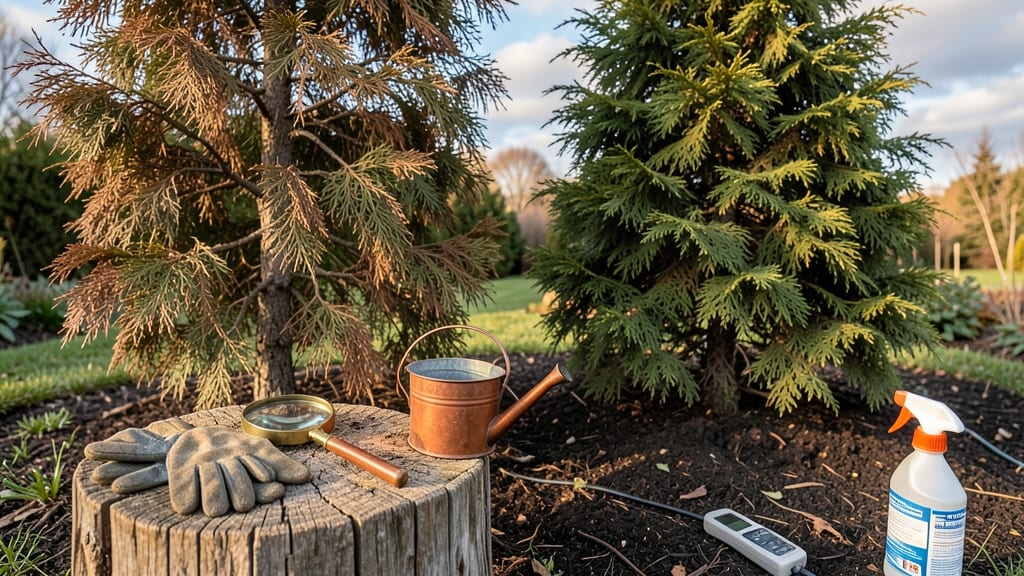
Why is my cedar tree turning brown? It’s not just an eyesore—it’s a cry for help. 🌲 Whether it’s drought stress, fungal diseases like cedar blight, or pest damage, the symptoms often look the same at first glance.
The good news? Most causes have simple fixes once you know what to look for.
Start by checking the pattern of browning: uniform yellowing suggests drought, while dark brown patches with white powdery spots signal fungal issues. Needles falling in clusters? That’s often a sign of bagworms or spider mites.
Even sunburn can mimic disease—if only the south side looks damaged, your tree’s getting too much midday heat.
Once you’ve pinpointed the issue, solutions are straightforward: water deeply once a week during dry spells, prune affected branches to improve airflow, and apply neem oil for pests or copper fungicide for blight. For soil problems, a layer of mulch keeps moisture in and roots cool.
Prevention is easier than repair—keep your cedar well-watered, prune annually to remove deadwood, and monitor for early signs of stress. With the right care, your tree can bounce back to its lush, green glory in just a few months.
Root Causes Behind Brown Cedar Trees
When your once-lush cedar tree starts turning brown, it’s usually a sign that something’s disrupting its health—whether from the ground up or from unseen threats in the air. Cedar trees (like Thuja or Juniperus varieties) are hardy, but they’re not immune to stress.
Below, we break down the most common culprits behind browning foliage, explained in clear, actionable science.
Cedars thrive in well-draining soil but are sensitive to moisture extremes. Browning can occur when roots struggle to absorb water—or when they’re drowning in it.
- Drought Stress:
Cedars are drought-tolerant, but prolonged dry spells cause desiccation—where leaves lose moisture faster than roots can replace it. Look for crispy, straw-colored needles (not just brown tips). Action: Deep-water trees every 1–2 weeks during dry spells, focusing on the root zone.
Mulch with 2–3 inches of organic material to retain moisture.
- Overwatering/Root Rot:
Poor drainage or excessive watering leads to Phytophthora fungi or Pythium, which rot roots and block nutrient uptake. Symptoms include yellowing (early) followed by brown, mushy needles. Action: Improve drainage with gravel or raised beds. Avoid watering at night to reduce fungal growth.
Cedars adapted to partial shade can suffer sun scorch when exposed to harsh afternoon sun, especially after winter or transplant shock.
- Symptoms:
Brown patches on southwest-facing sides of the tree, with green needles on shaded sides. Needles may curl or fall prematurely.
- Why It Happens:
Intense sunlight increases transpiration (water loss) faster than roots can replenish it. Cold nights + hot days create temperature shock, damaging cell membranes.
- Fix It:
Provide afternoon shade with a temporary shade cloth (30–50% coverage) or plant sun-loving cedars like Thuja occidentalis ‘Smaragd’ in full sun with consistent moisture.
Cedar trees are a buffet for pests that chew, suck, or inject toxins into foliage. Here’s how to spot the culprits:
| Pest | Damage Signs | Why It Turns Brown | Control Methods |
|---|---|---|---|
| Bagworms (Thyridopteryx ephemeraeformis) | Spiky brown “bags” on branches; defoliation in late summer. | Larvae strip needles, exposing wood to sun and pathogens. | Handpick bags in fall or spray Bt (Bacillus thuringiensis) in early summer. |
| Aphids (Adelges spp.) | Sticky honeydew; curled, brown needles with black sooty mold. | Sap-sucking aphids weaken trees, inviting fungal infections. | Blast off with water or use insecticidal soap. Ladybugs are natural predators! |
| Spider Mites (Oligonychus ununguis) | Fine webbing; bronze or brown stippling on needles. | Mites puncture cells, causing chlorosis (loss of green pigment). | Spray with neem oil or increase humidity (mites hate it). |
Fungi thrive in cedars when conditions are moist and warm. These pathogens don’t just brown leaves—they can kill branches over time.
- Cedar Rust (Gymnosporangium juniperi-virginianae):
Symptoms: Orange pustules on needles (spring), followed by brown, distorted foliage. Why? The fungus alternates between cedar and apple/juniper hosts, weakening the tree’s defenses. Fix: Remove infected branches 6+ inches below lesions. Avoid planting cedars near apple trees.
- Needle Blight (Seiridium cardinale):
Symptoms: Dark brown, sunken lesions on needles; twigs may die back. Why? Fungal spores spread in wet conditions, clogging vascular tissue. Fix: Prune infected branches in dry weather; apply copper fungicide preventatively.
Cedars are cold-hardy, but sudden freezes (<32°F) or late-spring frosts can damage new growth, leading to brown, papery needles.
- Winter Burn:
Sun exposure + freezing winds dehydrate needles. Prevent it: Water trees deeply before winter and wrap young cedars in burlap.
- Heat Stress:
Unusually hot summers (above 90°F) cause oxidative stress, turning needles brown. Help them recover: Mulch to keep roots cool and water deeply 2–3 times per week.
Before blaming pests or disease, check these quick fixes:
- ✅ Soil pH: Cedars prefer slightly acidic soil (pH 6.0–7.0). Test your soil—amend with sulfur if too alkaline.
- ✅ Nutrient Deficiency: Yellowing between veins (iron/chlorosis) or purple stems (phosphorus) can cause browning. Fertilize with a balanced 10-10-10 in early spring.
- ✅ Transplant Shock: Newly planted cedars may brown for 6–12 months as roots establish. Keep soil moist but not soggy!
How to Revive Your Cedar Tree
A brown cedar tree can be a heartbreaking sight, but don’t lose hope—most causes have practical fixes! Below, we’ll match the likely culprit behind your tree’s discoloration with step-by-step solutions. Whether it’s drought, pests, or disease, these fixes will help your cedar bounce back to its lush, green glory.
If your cedar’s brown needles are crispy to the touch and the soil is bone-dry, water stress is the likely villain. Cedar trees are drought-tolerant but still need consistent moisture, especially in hot climates.
What to Do: 💧 Step 1: Deep Watering (Not Just a Sprinkle)
- Use a soaker hose or drip irrigation to water slowly at the base of the tree (not the foliage).
- Aim for 1–1.5 inches of water per week, including rainfall. If it hasn’t rained, water deeply 2–3 times per week until the soil is moist 6 inches down.
- Test soil moisture: Stick your finger in the ground—if it’s dry past 2 inches, water again.
🌱 Step 2: Mulch Like a Pro
- Spread 2–4 inches of organic mulch (wood chips, bark, or pine straw) around the drip line (the area where branches extend).
- Keep mulch 6 inches away from the trunk to prevent rot.
- Pro tip: 💡 Mulch retains moisture and regulates soil temperature—critical for stressed cedars!
🚰 Step 3: Adjust Your Watering Schedule
- Morning watering (before 10 AM) is best—it reduces evaporation and fungal risks.
- Avoid overwatering, which can suffocate roots. Yellowing needles + soggy soil = root rot danger.
Prevention Tips: ✅ Install a rain gauge to track weekly water needs. ✅ Group cedars with other thirsty plants to create a microclimate. ✅ Avoid compacted soil—loosen the top 6 inches with a garden fork if the ground feels hard.
If you spot tiny webs, chewed needles, or tiny worms on your cedar, pests are likely the culprits. Act fast—these critters multiply quickly!
What to Do: 🔍 Step 1: Identify the Pest
- Bagworms: Look for spiny, brownish bags hanging from branches.
- Spider mites: Check for fine webbing on needles and tiny yellow specks.
- Cedar sawflies: See green, worm-like larvae munching on foliage?
💊 Step 2: Apply Targeted Treatments
| Pest | Best Treatment | When to Apply |
|---|---|---|
| Bagworms | Bt (Bacillus thuringiensis) or neem oil | Late summer/early fall (larvae stage) |
| Spider Mites | Horticultural oil or soapy water spray | Spring/fall (avoid midday heat) |
| Cedar Sawflies | Spinosad or pyrethrin spray | Early summer (larvae emergence) |
🌿 Step 3: Manual Removal (For Small Infestations)
- Bagworms: Handpick bags and drown them in soapy water.
- Sawfly larvae: Shake branches over a bucket of soapy water to dislodge them.
Prevention Tips: 🛡️ Install pest-resistant netting around young cedars. 🌡️ Encourage natural predators: Ladybugs and birds love munching on spider mites! 🎯 Prune regularly to improve airflow and reduce hiding spots.
If brown needles are mushy, blackened, or covered in orange pustules, a fungal infection may be to blame. Fungi thrive in wet, humid conditions, so quick action is key.
What to Do: 🌧️ Step 1: Improve Airflow & Reduce Moisture
- Prune to open up the canopy—remove 1/3 of dense branches to allow sunlight and airflow.
- Space trees 6–10 feet apart if replanting to prevent overcrowding.
💊 Step 2: Apply Fungicides
- For cedar rust: Spray with copper fungicide (like Copper Soap) in early spring before spores release.
- For root rot: Stop overwatering immediately and apply fungicide granules (like Mycorrhizal fungi) to the soil.
🔄 Step 3: Adjust Soil & Drainage
- Amend clay soil with compost or sand to improve drainage.
- Raise garden beds if your cedar is in a low-lying area prone to pooling water.
Prevention Tips: ✨ Water at the base (not overhead) to keep foliage dry. 🌡️ Avoid planting cedars in shady, damp spots—they need full sun to dry quickly. 🔥 Clean up fallen debris (like infected leaves) to prevent spore spread.
If your cedar’s needles are dry, brittle, and brown but the soil is moist, heat stress or sun scorch could be the issue—common in newly planted or thin-barked cedars.
What to Do: 🌳 Step 1: Provide Temporary Shade
- Use shade cloth (30–50%) for newly planted cedars during the first 6–12 months.
- Plant near taller trees (like oaks or pines) to create natural shade.
💧 Step 2: Boost Hydration & Humidity
- Mist the foliage in extreme heat (early morning or evening).
- Group cedars with other plants to create a cooler microclimate.
🌱 Step 3: Mulch & Fertilize Smartly
- Add 2–3 inches of mulch to retain moisture.
- Fertilize lightly with slow-release, balanced fertilizer (10-10-10) in early spring.
Prevention Tips: 🌿 Choose the right cedar variety—Eastern Red Cedar handles heat better than Leyland Cedars in scorching climates. 🚫 Avoid pruning in summer—wait until fall or early spring to reduce stress.
Once your cedar is on the mend, consistent care keeps it thriving:
- Water deeply but infrequently (deep roots = drought resistance).
- Prune in late winter/early spring to shape and improve airflow.
- Monitor for pests/diseases monthly during growing season.
- Test soil every 2–3 years—cedars prefer slightly acidic to neutral soil (pH 6.0–7.0).
Final Thought: 🌟 Most brown cedars can recover with the right care—don’t give up! Start with the most likely cause, take action, and watch your tree green up again. If the damage is severe, consult a local arborist for expert advice.
Frequently asked questions about brown cedar trees
Why are only the tips of my cedar tree needles turning brown?
Brown needle tips usually indicate drought stress or underwatering. Cedar trees are drought-tolerant but need consistent moisture—especially in hot climates. Check soil moisture 2 inches deep; if dry, water deeply once a week until the soil is moist 6 inches down. Mulching with 2-3 inches of organic material helps retain moisture and prevents this issue.
How can I tell if my cedar tree has a fungal disease vs. pest damage?
Fungal diseases like cedar blight show as dark brown, sunken lesions or orange pustules on needles, while pests like bagworms leave spiky brown bags or chewed foliage. Spider mites cause fine webbing and stippled browning. Check the undersides of needles for signs—fungi often appear slimy or powdery, while pests leave physical damage or eggs.
Can I prune brown branches off my cedar tree to help it recover?
Yes, but do it correctly! Prune only dead or severely diseased branches—never more than 25% of the tree at once. Use clean, sharp pruners and cut just outside the branch collar. Sterilize tools with rubbing alcohol between cuts to prevent spreading disease. Prune in late winter or early spring for best results.
Will my cedar tree recover if most of its needles are brown?
It depends on the cause! If the browning is from drought or pests, recovery is likely with proper care. However, if fungal diseases or root rot are the issue, severe damage may require professional treatment. Start with deep watering, mulching, and pest control—if the tree shows new green growth within 4-6 weeks, it’s a good sign. For persistent issues, consult an arborist.
How often should I fertilize my cedar tree to prevent browning?
Cedars generally don’t need much fertilizer—overdoing it can cause more harm than good. Apply a balanced, slow-release fertilizer (10-10-10) once a year in early spring. If your soil is poor, test it first—cedars prefer slightly acidic soil (pH 6.0-7.0). Avoid fertilizing if the tree is already stressed by drought or disease.