
Trees
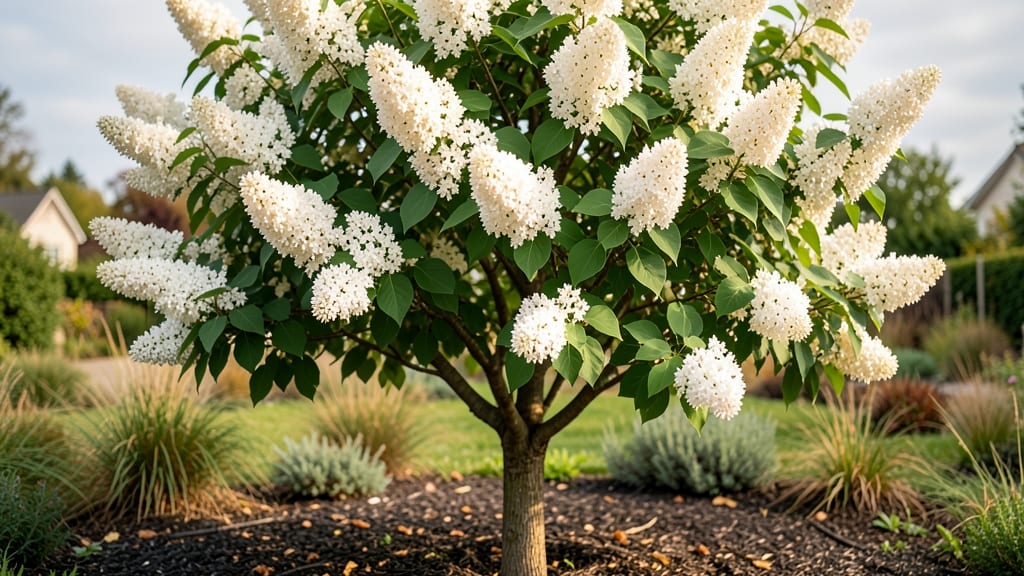
White lilac tree leaves aren’t just a sign of trouble—they’re your tree’s SOS signal. 🌿 Whether it’s powdery mildew, nutrient hunger, or stress from heat or drought, the white patches mean your lilac needs attention before the whole tree suffers.
I’ve seen this happen after a brutal summer, and with the right moves, you can bring those glossy green leaves back in no time.
The most common culprit? Powdery mildew, that white, powdery film that looks like someone dusted your leaves with flour. But it’s not just fungi—sometimes it’s a lack of nitrogen, too much shade, or even overwatering.
The good news? Most cases fix easily with pruning, fungicide, or just adjusting how you water and fertilize. I’ll walk you through the exact steps that saved my own lilac last season.
By the end, you’ll know how to spot the difference between a fungal issue and a nutrient problem, plus when to call in a pro. Your lilac’s fragrant blooms and lush foliage are worth the effort—imagine those vanilla-scented flowers thriving again without a trace of white.
Let’s get your tree back to its best.
We’ll cover everything from quick fixes to long-term care, so you can prevent this next year. Whether it’s a 30-second spray or a deeper soil check, you’ll have the tools to keep your lilac healthy and blooming for seasons to come.
Understanding Leaf Discoloration Causes
When your lilac tree’s leaves turn white, it’s often a sign of stress—but not always what you might expect. 🌿✨ These changes can stem from natural processes, environmental factors, or even pests and diseases.
Let’s break down the most common reasons behind this unusual leaf coloration, so you can diagnose the issue and take action.
Fungal infections are one of the most frequent culprits behind white or powdery leaf surfaces on lilac trees. Two common offenders are powdery mildew and rust fungi, both of which thrive in humid conditions.
- Powdery Mildew: This fungus creates a white, powdery coating on leaves, stems, and even buds. It spreads rapidly in warm, damp environments (60–80°F with high humidity).
While it doesn’t usually kill the tree, severe infections can weaken growth and reduce flowering. - Actionable fix: Prune infected branches to improve airflow, apply a baking soda spray (1 tsp baking soda + 1 quart water + a drop of dish soap), or use neem oil as a preventive treatment.
- Rust Fungi: These cause white, powdery pustules on the undersides of leaves, often turning them yellow or brown over time.
Rust fungi require a secondary host (like barberry plants) to complete their life cycle. - Actionable fix: Remove heavily infected leaves, avoid overhead watering, and consider copper fungicides if the problem persists.
💡 Pro Tip: Early morning watering (before leaves dry) can reduce humidity on foliage, making the environment less hospitable for fungi.
Some pests feed on lilac leaves, causing them to turn white, stippled, or even skeletonized (barely any leaf tissue left). Common culprits include:
- Aphids: These sap-sucking insects excrete sticky honeydew, which can attract sooty mold—a black fungal growth that further stresses the tree.
White or yellowish leaves may appear due to severe feeding damage. - Actionable fix: Blast aphids off with a strong spray of water, introduce ladybugs (natural predators), or use insecticidal soap.
- Spider Mites: Tiny but destructive, these pests create fine webbing and cause leaves to turn white or stippled from feeding. They thrive in dry, hot conditions.
- Actionable fix: Increase humidity around the tree, spray with water to knock them off, or use miticides like horticultural oil.
- Whiteflies: These small, white, moth-like insects cluster on the undersides of leaves, causing them to yellow and weaken. Their sticky residue can also lead to sooty mold.
- Actionable fix: Use yellow sticky traps, apply neem oil, or spray with soapy water to dislodge them.
Lilac trees are hardy, but poor soil nutrition can lead to strange leaf discoloration, including white or pale patches. Two key deficiencies often play a role:
- Magnesium Deficiency (Interveinal Chlorosis): When magnesium levels drop, leaves develop white or yellow patches between veins, especially on older foliage.
This is common in acidic or compacted soils. - Actionable fix: Apply Epsom salt (magnesium sulfate) to the soil (1 tbsp per gallon of water, sprayed on leaves or soil). Test soil pH and amend with lime if needed.
- Calcium Deficiency: White or crinkled leaf edges can signal calcium issues, often due to poor drainage or high soil acidity. Lilacs prefer slightly alkaline soil (pH 6.5–7.5).
- Actionable fix: Add crushed eggshells or gypsum to the soil, and ensure proper drainage.
🌡️ Pro Tip: Conduct a soil test before amending—overcorrecting pH or nutrients can harm the tree.
Lilac trees are resilient, but extreme environmental factors can cause leaves to bleach or turn white:
- Excessive Sun Exposure (Sun Scorch): Young or newly planted lilacs may develop white or brown patches on leaves due to sudden, intense sunlight, especially after transplanting.
- Actionable fix: Provide dappled shade for a few weeks post-planting, or use shade cloth if full sun is unavoidable.
- Water Stress (Over or Under): Both drought and overwatering can cause leaves to lose color.
White or wilting leaves may appear when roots struggle to absorb moisture or oxygen. - Actionable fix: Water deeply 1–2 times per week (depending on climate) and ensure the soil has good drainage. Mulch around the base to retain moisture.
- Cold Damage or Frost: Late spring frosts can cause white or translucent patches on leaves, as cells rupture from freezing.
- Actionable fix: Protect young trees with frost cloth during late frosts, and avoid planting in low-lying areas where cold air settles.
While less common, viral infections (like lilac chlorosis virus) or bacterial leaf spots can cause white, necrotic (dead) patches on leaves. These are often spread by insects or contaminated tools.
- Symptoms: Irregular white or yellow patches, leaf curling, or stunted growth.
- Actionable fix: Remove and destroy infected leaves, sterilize pruning tools with rubbing alcohol, and consider copper-based bactericides for bacterial issues.
✨ Pro Tip: If you suspect a viral infection, consult a local extension service for testing—some viruses have no cure, but management can slow spread.
Reviving Your Lilac’s Lushness
When your lilac tree’s leaves turn white or pale, it’s a clear signal that something’s off—but don’t worry! With the right care, you can restore that vibrant green and keep your tree thriving. Below are practical, step-by-step solutions tailored to common causes, plus prevention tips to avoid future issues.
If white or yellowing leaves are due to lack of nitrogen, magnesium, or iron, your lilac needs a nutrient recharge.
🔥 Step 1: Test Your Soil
Before treating, confirm the issue with a soil test kit (available at garden centers). Look for:
- Low nitrogen (pale green/yellow leaves)
- Magnesium deficiency (yellow patches between veins)
- Iron chlorosis (white/yellow leaves with green veins)
🍳 Step 2: Apply the Right Fertilizer
- For nitrogen deficiency: Use a balanced fertilizer (10-10-10 or 20-20-20) in early spring before new growth starts.
- For magnesium deficiency: Sprinkle Epsom salt (1 tbsp per gallon of water) around the base, watering it in.
- For iron chlorosis: Apply an iron supplement (like chelated iron) or plant in slightly acidic soil (pH 6.0–7.0).
👨🍳 Step 3: Improve Soil Drainage
Poor drainage worsens nutrient uptake. If your soil is clay-heavy or compacted:
- Mix in compost or aged manure to loosen it.
- Consider raising the planting bed slightly for better airflow.
💡 Pro Tip:
✨ Avoid over-fertilizing—too much salt can burn roots. Follow package instructions and water thoroughly after application.
White or mushy leaves with yellowing edges often mean root rot from soggy soil.
🔪 Step 1: Check the Roots
Gently dig around the base (1–2 inches deep). If roots look:
- Dark, mushy, or smell rotten → Root rot is likely.
- Dry and crumbly → Underwatering may be the issue.
⏰ Step 2: Adjust Watering Habits
- Water deeply but less often (1–2 inches per week, depending on climate).
- Ensure proper drainage—if your tree sits in a low spot, create a slight slope or add gravel beneath the root zone.
- Mulch properly (2–3 inches of organic mulch) to retain moisture without suffocating roots.
🌡️ Pro Tip:
🎯 Test soil moisture by sticking your finger 2 inches down—if it’s damp, wait before watering.
If leaves are white with a powdery coating (likely pesticides or fungal spores) or speckled with holes, pests or environmental stress may be to blame.
🍎 Step 1: Inspect for Pests
Common culprits:
- Aphids, spider mites, or scale insects (leave sticky residue or webbing).
- Powdery mildew (white fungal coating on leaves).
🔥 Step 2: Treat Naturally
- For pests: Spray with neem oil (1 tsp per quart of water) or insecticidal soap.
- For powdery mildew: Apply baking soda spray (1 tsp baking soda + 1 quart water + a drop of dish soap) every 7–10 days.
🌿 Step 3: Improve Airflow
- Prune overgrown branches to allow sunlight and air circulation.
- Avoid overhead watering—water at the base instead.
✨ Pro Tip:
💡 Prevent future outbreaks by pruning in late winter (before buds swell) to remove diseased wood.
Keep your lilac’s leaves vibrant and healthy with these easy maintenance habits:
- 📅 Prune at the right time: Trim right after flowering (late spring/early summer) to encourage new growth.
- 🌱 Feed regularly: Apply a slow-release fertilizer in early spring and mid-summer.
- 🚫 Avoid chemical sprays: They can weaken leaves—opt for organic pest control instead.
- 🌧️ Monitor weather: Lilacs hate wet feet—ensure good drainage, especially in rainy seasons.
- 🍃 Mulch wisely: Use wood chips or straw (not plastic) to regulate soil temperature.
With these targeted fixes, your lilac should bounce back with lush, green foliage in no time! 🌿💚 Whether it’s a nutrient boost, better watering, or pest control, small adjustments make a big difference.
Frequently asked questions about white lilac tree leaves
Can I safely trim branches with white leaves from my lilac?
Yes, but only if the white is due to powdery mildew or pests—not nutrient issues. Prune infected branches 1-2 inches below the white patches using sterilized tools (wipe with rubbing alcohol). Remove fallen leaves too—they can reinfect the tree. For severe cases, bag and dispose of pruned material.
Will white lilac leaves ever turn green again?
It depends! If caused by fungus or pests, new growth will return green once treated. For nutrient deficiencies, leaves may stay white but new foliage will improve with proper care. Severe damage (like sun scorch) won’t reverse, but healthy new leaves will grow in spring.
How often should I check my lilac for white leaves?
Inspect your lilac every 2-3 weeks during growing season (spring-fall). Focus on leaf undersides (pests hide there) and new growth (early signs appear first). After heavy rain or heatwaves, check sooner—these trigger outbreaks.
Can I use household items to fix white leaves?
For powdery mildew, mix 1 tsp baking soda + 1 quart water + 1 drop dish soap and spray leaves. For aphids, use soapy water spray (1 tbsp mild soap per gallon). Rinse leaves after 24 hours to prevent buildup.
When should I call a professional?
If white leaves persist after 3 months of treatment, or if you see black spots, oozing sap, or wilting, consult an arborist. Viral infections or advanced root rot often require professional diagnosis. For young trees (under 3 years), err on the side of calling sooner.