
Plants
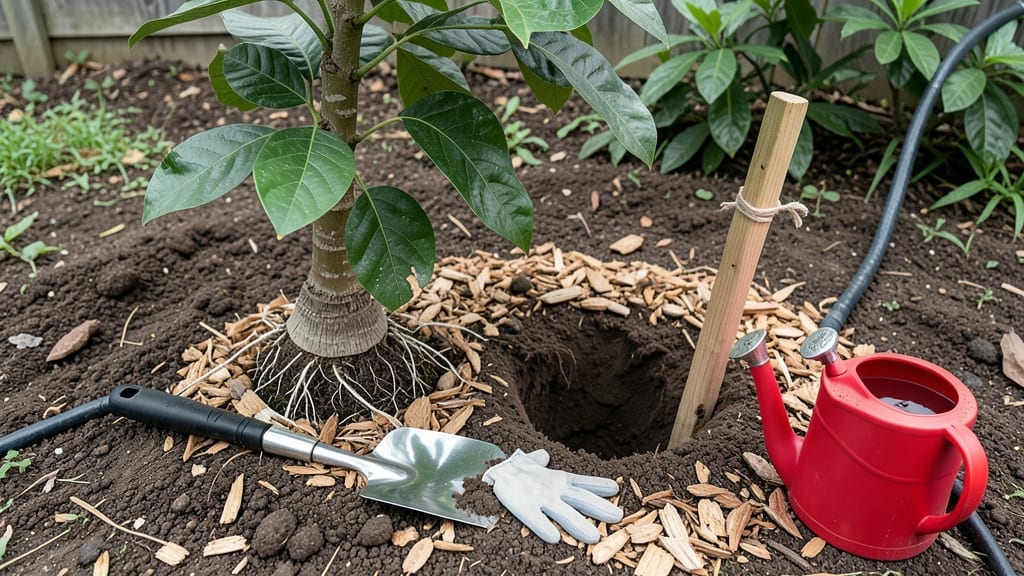
To plant a mango tree 🥭 in ground, aim for late winter or early spring in subtropical zones or year-round in frost-free tropical regions—this timing sets the stage for faster fruit production.
Planting a mango tree at the wrong time can mean years of waiting for fruit—or worse, failure to thrive. Timing is everything, and understanding your climate zone’s ideal window is the secret to growing a productive mango tree.
In warmer microclimates like Zone 9b, late February or March gives young roots time to establish before summer’s heat, while tropical regions allow planting almost any month. The key is avoiding extreme temperatures, whether too cold or too hot, which stress the tree before it can take hold.
Below, I break down the exact planting windows for your region, soil prep tips to speed up growth, and how to adjust for urban heat islands or coastal humidity—so you can go from sapling to sweet mangoes in record time.
Best planting months by climate Zone for mango trees
Mango trees thrive in warm climates but struggle with frost or extreme cold. The best planting window depends on your USDA hardiness zone and local weather patterns. In tropical zones (10-11), you can plant almost year-round, while cooler subtropical zones (9a-9b) require careful timing to avoid winter damage.
Let’s break down the ideal months for each climate type to ensure your mango tree establishes strong roots and bears fruit faster.
For tropical zones, like Hawaii or Florida’s southern coast, the monsoon season (May–October) offers ideal conditions with consistent warmth and humidity. Planting during these months helps young trees acclimate quickly and reduces transplant shock.
In contrast, subtropical zones, such as southern California or coastal Georgia, benefit from late winter to early spring (February–March) planting, allowing roots to establish before summer heat arrives.
Here’s a quick reference for your climate zone, including frost-free periods and monsoon considerations to maximize success:
In tropical zones, like Florida’s Miami-Dade County, you can plant mango trees anytime, but May–October aligns with the wet season, providing natural irrigation and reducing watering demands. Varieties like 'Haden' or 'Tommy Atkins' thrive here with minimal stress.
For subtropical zones, such as Los Angeles (Zone 10a), planting in February–March ensures roots establish before summer heat peaks.
If you’re in a cooler subtropical zone (Zone 9a), like Orlando, Florida, timing is critical. Plant in late winter (February–March) to avoid light frosts that can damage young leaves.
Use mulch (4–6 inches) to insulate roots and protect against temperature swings. In Zone 9b, you can extend planting to October–November for a fall establishment before winter.
For temperate zones (8a-8b), like San Diego’s coastal areas, mango trees are only viable in containers. Plant in April–May and move pots to a sunny patio or garage during winter. Dwarf varieties like 'Cogshall' or 'Julie' are best for these climates, as they’re hardier and smaller.
Avoid planting in late summer, as young roots won’t have time to harden before fall chills arrive.
Regardless of your zone, always acclimate your mango tree for 1–2 weeks before planting by placing it in partial shade outdoors. This hardens the tree and reduces transplant shock. Water deeply after planting and maintain consistent moisture for the first 6–12 months to encourage robust root growth.
With the right timing, your mango tree can bear fruit in as little as 3–5 years!
Pro tip: In monsoon-prone areas, like Puerto Rico or Southeast Asia, plant during the dry season’s tail end (April–May) to avoid waterlogged soil, which can rot roots. Always choose a well-draining site with sandy loam soil and a slight slope to prevent standing water.
🌱
Signs your climate is ready for mango tree planting
Mango trees thrive in warm climates, but even within those zones, timing matters. Your local environment sends clear signals about readiness—soil warmth, rainfall patterns, and humidity levels all play critical roles.
Ignoring these signs can delay fruit production or stress your young tree. For example, in Zone 9b, planting too early risks cold snaps, while waiting too late may expose roots to summer drought.
Urban gardeners face unique challenges like heat islands and limited soil depth, requiring adjustments to traditional timing. Rural areas, with deeper soil and natural water retention, offer more flexibility.
The key is balancing these factors with your tree’s needs: 60°F+ soil temperatures, consistent moisture, and 70%+ humidity during establishment.
🌡️ 5 Critical Signs Your Climate Is Ready
- Soil temperature reaches 60°F+ at 10-inch depth (use a soil thermometer).
- Rainfall averages 1–2 inches/week (supplement with drip irrigation if needed).
- Humidity stays above 70% (check local weather reports or use a hygrometer).
- No frost risk for 6+ weeks after planting (verify with USDA Zone maps).
- Daytime temps consistently stay between 75–90°F (avoid planting during heatwaves).
Pro Tip: Urban areas may need mulch to retain moisture and shade cloth to reduce heat stress.
For urban gardeners, microclimates can create ideal pockets. South-facing walls or rooftop gardens often trap heat, mimicking tropical conditions. Test your spot by monitoring soil temps for a week—if they stay above 60°F, it’s likely safe to plant.
Rural areas benefit from deeper, cooler soil, but watch for drought cycles during dry seasons.
Adjust planting timing based on your location: coastal regions (like California) can plant year-round, while inland subtropical zones (like Arizona) should wait until March–April to avoid late frosts. Always plant after the last frost date in your area, even in Zone 9b where frosts are rare but possible.
Once you’ve confirmed the signs, act quickly. Mango trees establish roots fastest when planted during early spring (February–March) or late summer (October–November). This timing aligns with natural rainfall patterns in many subtropical regions, reducing the need for supplemental watering during critical growth phases.
Remember, even the best timing won’t guarantee success without well-draining soil and full sun exposure. Combine these signs with proper preparation—amend heavy clay soil with compost, and choose a sheltered spot to protect young trees from wind.
With the right climate cues, your mango tree will thrive and bear fruit in 4–6 years! 🌱🥭