
Plants
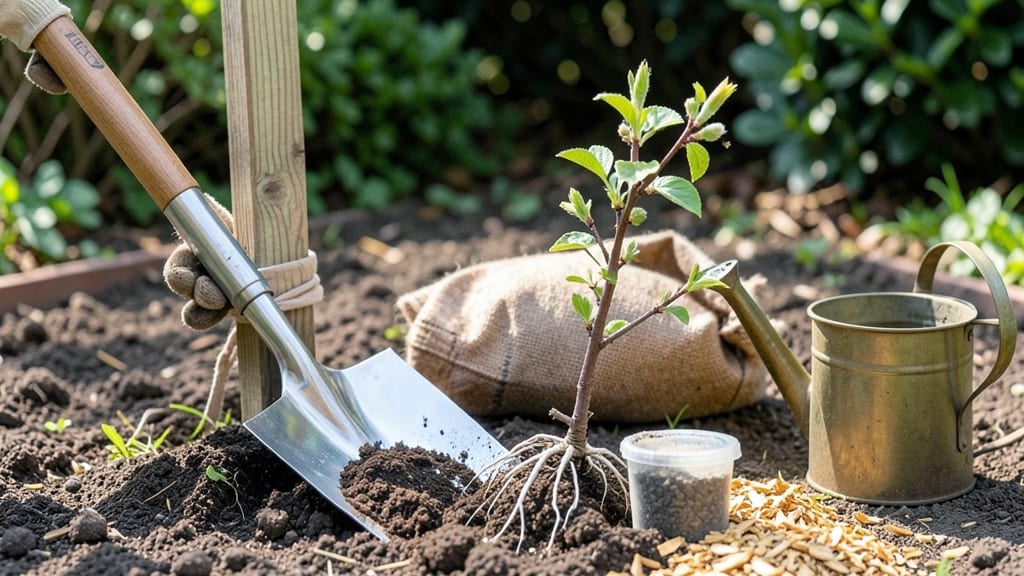
Planting a tree in the ground at the right time ensures it thrives for decades, not just survives the first year.
Picture this: you’ve just dug a hole, your 🌳 is carefully placed, and you’re ready to celebrate—only to watch it struggle through a brutal summer or freeze in an unexpected frost.
Timing isn’t just about seasons; it’s about matching your tree’s needs with your climate zone, soil warmth, and even local weather quirks.
In USDA Zone 6a, like much of the Midwest, the ideal window is early spring or fall—4-6 weeks before or after your last frost date. But what if you’re in a drought-prone area or a coastal region?
The rules shift dramatically, and getting it wrong can cost you years of growth. Below, I’ll break down the exact months for your zone, plus the hidden signs that tell you whether you’ve picked the perfect time—or set your tree up for failure.
You’ll discover how to read your soil’s temperature, avoid the most common mistakes, and even adjust for regional exceptions that traditional guides ignore. Let’s get your tree off to the best start possible.
Best planting months by USDA climate zone: a survival guide for tree roots
Planting a tree isn't just about digging a hole—it's about timing your efforts to match your USDA hardiness zone and the tree's natural growth cycle. In cool climates (zones 3-6), early spring or fall planting gives roots time to establish before winter stress.
Meanwhile, warmer zones (7-11) benefit from late fall or early winter planting to avoid summer heat shock. Let's break down the science behind these windows to ensure your tree thrives for decades.
Soil temperature plays a critical role. Most tree roots need soil temps between 40°F and 60°F for optimal growth. In northern zones (3-5), this means waiting until after the last frost date, typically late April to early May.
For southern zones (8-11), late summer or early fall planting avoids summer drought stress. Evergreens, like pine or spruce, need special attention—they can't handle transplant shock in hot weather.
Here’s a quick reference for your zone, including frost-free dates and ideal planting windows:
| USDA Zone | Best Planting Window | Soil Temp Threshold | Tree Types to Plant | Avoid Planting In |
|---|---|---|---|---|
| Zones 3-5 | Early spring (April-May) or fall (Sept-Oct) | 40°F-50°F | Oak, Maple, Birch, Spruce | Summer (heat stress), Winter (frost damage) |
| Zones 6-7 | Late winter (Feb-Mar) or fall (Oct-Nov) | 45°F-55°F | Dogwood, Redbud, Pine, Cedar | Late spring (drought risk), Winter (frost heave) |
| Zones 8-9 | Late summer (Aug-Sept) or early winter (Dec-Jan) | 50°F-60°F | Magnolia, Camellia, Crepe Myrtle, Palm | Mid-summer (extreme heat), Spring (late frosts) |
| Zones 10-11 | Late fall (Nov-Dec) or winter (Jan-Feb) | 55°F-65°F | Avocado, Citrus, Bougainvillea, Olive | Summer (drought), Monsoon season (soil erosion) |
For deciduous trees, like oak or maple, fall planting is ideal because roots grow actively while the tree is dormant. Aim to plant 4-6 weeks before the first frost—this gives roots time to establish before winter.
In zone 6a, where I live, that means planting by mid-October to avoid frost damage. Evergreens, however, should be planted in early spring to prevent winter desiccation.
Tropical species, such as citrus or avocado trees, have entirely different needs. In zones 10-11, plant them in late fall or winter to avoid summer heat stress.
These trees thrive when soil temps are consistently above 60°F, so timing your planting with the cooler months ensures smoother establishment. Always check your local frost-free dates—they’re your best guide.
One common mistake is planting too late in the season. If you miss the ideal window, your tree may struggle to establish roots before winter sets in. For example, in zone 5, planting after mid-October risks frost heave, where roots freeze and thaw, damaging the tree.
Always test soil moisture before planting—dry soil can shock roots, while soggy soil can lead to rot. Aim for moist but well-draining soil at planting time.
Pro tip: Use mulch to regulate soil temperature and retain moisture. Apply a 3-inch layer of organic mulch around the base of your tree, keeping it 6 inches away from the trunk to prevent rot.
This is especially critical in dry climates (zones 8-11), where mulch helps retain precious moisture during the establishment phase. Water deeply once a week for the first year, ensuring the soil stays consistently moist but not waterlogged.
If you’re unsure about your local climate, check the USDA Plant Hardiness Zone Map and consult your local cooperative extension service for tailored advice. They can provide hyper-local frost dates and soil conditions that might not be reflected in general zone guidelines.
For instance, microclimates near large bodies of water or urban heat islands can shift planting windows by 2-4 weeks. Always adapt these guidelines to your specific location.
Remember, the goal is to give your tree the best possible start. Whether you're planting a shade-providing oak or a fruit-bearing citrus tree, timing is everything. By following these zone-specific guidelines, you’ll set your tree up for a lifetime of growth and beauty. Happy planting! 🌳
5 Critical signs your tree planting timing is wrong (and how to Fix it)
Even with the best tree varieties and prepared soil, planting at the wrong time can sabotage your tree’s future. I’ve seen wilting leaves within weeks of planting—usually a red flag for poor timing.
The key is recognizing these early warning signs and acting fast to correct them before permanent damage occurs.
If your newly planted tree shows yellowing foliage or stunted growth after just a few weeks, it’s likely struggling to establish roots in unsuitable conditions. This often happens when planted during extreme heat or freezing temperatures.
Let’s break down the 5 critical signs your timing is off—and how to fix them before it’s too late.
🌱 Numbered Highlights: Fixing Your Tree Planting Mistakes
-
1. Wilting or Yellowing Leaves
🔹 Cause: Planting in peak summer heat or late fall frost stresses roots.
🔹 Fix: Mulch heavily (3-4 inches) and water deeply at dawn. -
2. Fungal Growth at the Base
🔹 Cause: Overly wet soil from planting during rainy seasons.
🔹 Fix: Improve drainage with sand or gravel and avoid watering until soil dries. -
3. Stunted Growth After 6+ Weeks
🔹 Cause: Planting too early in spring or late fall delays root establishment.
🔹 Fix: Apply root stimulator and protect with burlap wraps if frost is near. -
4. Soil Erosion Around the Root Ball
🔹 Cause: Planting during heavy winds or drought conditions.
🔹 Fix: Install a tree guard and water slowly at the base. -
5. Pest Infestations (Aphids, Borers)
🔹 Cause: Weakened trees from stressful planting times attract pests.
🔹 Fix: Spray with neem oil and monitor for early signs of infestation.
⚠️ Pro Tip: Always check your USDA zone and local frost dates before planting!
One of the most common mistakes I see is planting bare-root trees in dry, hot weather. The roots dry out almost instantly, leaving the tree vulnerable to shock.
If you’ve already planted and notice cracked soil around the base, it’s a clear sign you planted too late in the season. The fix? Water slowly but deeply every 2-3 days until the ground is saturated.
For evergreen trees, timing is even trickier. Planting them in late summer can cause transplant shock because their needles continue photosynthesizing while roots struggle to adapt. If you see needle drop within weeks, it’s a sign you planted at the wrong time.
To recover, apply a balanced fertilizer (like 10-10-10) and keep the soil consistently moist but not soggy.
Before you panic, run a quick soil test to check pH and moisture levels. If the soil is too alkaline or compacted, it’s another red flag that your tree isn’t getting the right conditions to thrive.
Amend the soil with compost or peat moss and consider adjusting your planting depth slightly—roots should sit no deeper than they were in the nursery.
Remember, the goal is to give your tree’s roots 6-8 weeks of ideal conditions to establish before the next extreme weather hits. If you’ve missed the window, don’t give up—many trees can recover with the right care. Start by pruning damaged branches and focusing on root health first.
🌳