
Plants
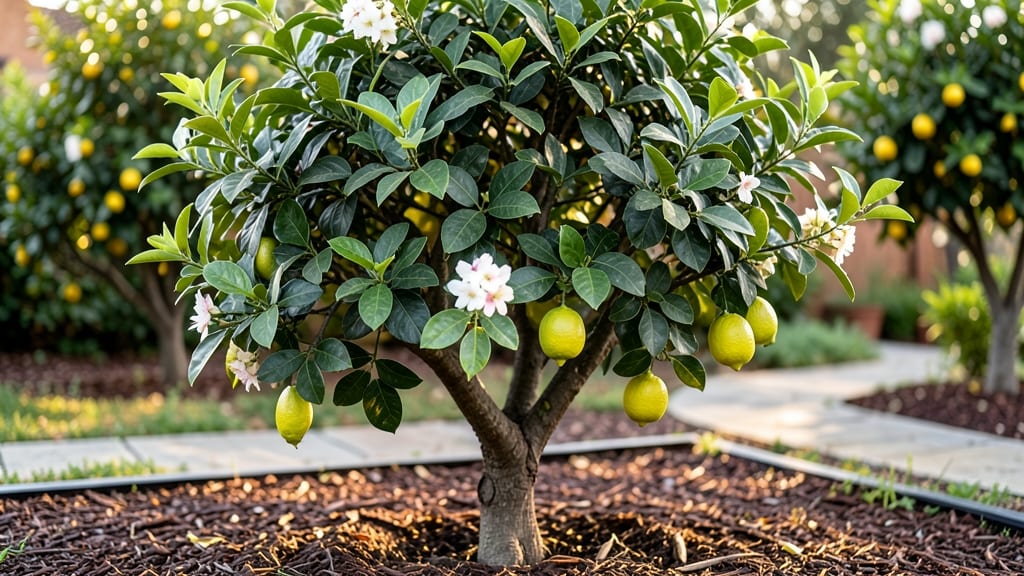
A lemon tree leaf looks like an elongated, glossy dark green oval measuring 2 to 4 inches long and 1 to 2 inches wide, with smooth edges and a slightly pointed tip that sets it apart from other citrus leaves.
A lemon tree leaf's shiny, deep green surface and smooth, slightly waxy texture make it instantly recognizable.
The oval shape with a tapered end helps differentiate it from lime leaves, which are more rounded, or orange leaves, which tend to be broader. 🌿 These leaves also grow alternately along the stem, creating a distinctive staggered pattern that's key for accurate identification in your garden or nursery.
One of my favorite identification tricks is to gently rub the leaf between your fingers—the strong citrus scent confirms you're looking at a true lemon variety. Seasonal changes can slightly alter the leaf's vibrancy, but the basic shape and glossiness remain consistent year-round.
💡 In This Article
- Distinctive Features of Lemon Tree Leaves
- How to Identify Lemon Tree Leaves in Your Garden
Distinctive features of lemon tree leaves
The anatomy of a lemon tree leaf reveals nature's precision in design. Each leaf typically measures between 2 to 4 inches in length and 1 to 2 inches in width, with a perfect oval shape that tapers to a delicate pointed tip.
This elongated form creates a graceful arch when the leaves grow alternately along the stem, forming a visually pleasing staggered pattern. The edges remain completely smooth, unlike some citrus varieties that develop serrated edges as they mature.
The leaf's surface is where its most striking feature shines—a glossy, almost waxy finish that reflects light beautifully. This shine comes from a natural coating called a cuticle, which helps conserve moisture in the plant's native Mediterranean climate.
The deep green color isn't just for show; it contains high levels of chlorophyll that enable efficient photosynthesis. When you examine the underside, you'll notice a lighter green hue and visible prominent veins that create a network pattern supporting the leaf's structure.
Comparing lemon leaves to other citrus reveals subtle but crucial differences. Lime leaves tend to be more rounded with a broader base, while orange leaves often measure 3 to 5 inches long and have slightly thicker, less glossy surfaces.
The lemon's pointed tip is particularly distinctive—it's more acute than the blunt ends found on grapefruit leaves. This anatomical precision helps the plant maximize sunlight exposure while maintaining efficient water transport through its vascular system.
Texture plays a surprising role in identification too. Lemon leaves feel slightly leathery when touched, with a subtle firmness that distinguishes them from the softer texture of young citrus leaves. This durability helps them withstand coastal winds and occasional drought conditions.
The strong citrus aroma when crushed comes from volatile oils in specialized cells called glandular trichomes, which also contribute to the leaf's natural pest resistance.
What makes these features so important for identification? The combination of shape, gloss, and scent creates a unique signature that's consistent across true lemon varieties. Even young leaves maintain these characteristics, though they may appear slightly lighter in color until fully mature.
This consistency helps gardeners and botanists distinguish lemon trees from lookalikes like Meyer lemons, which often have slightly broader leaves with a less pronounced point.
Seasonal variations provide additional clues. During summer, leaves may develop a slightly deeper green color due to increased chlorophyll production, while winter can bring a subtle yellowing at the edges—a natural response to cooler temperatures.
However, the fundamental shape and glossiness remain unchanged, making these features reliable identification markers year-round. 🌿