
Trees
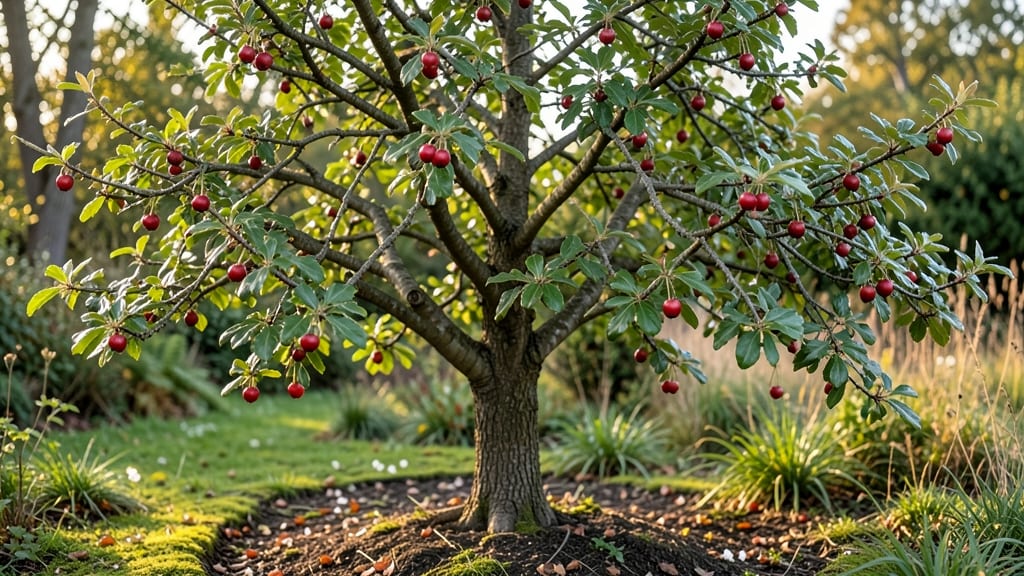
A tree with oblong yellow-green fruit in crossword clues is most likely a pear tree, thanks to its signature elongated shape and color that often appears in puzzles when fruit descriptors are vague.
A pear tree's fruit stands out in crosswords because its oblong shape and yellow-green hue match classic puzzle descriptions like "fruit of Hesperides" or "tree of knowledge." 🌳 Unlike round apples or small quinces, pears' distinctive form makes them a go-to answer when clues mention "elongated fruit" or "tree with greenish-yellow produce."
The color variation from pale green to golden-yellow also fits many ambiguous clues, while their botanical classification as pome fruits (like apples) adds another layer of crossword compatibility.
When solving fruit-related puzzles, focus on these key traits: shape (pear-shaped = oblong), color (yellow-green), and common crossword synonyms like "quince" or "apple." 💡 For example, "tree bearing oblong fruit" almost always points to pear, while "tree with green fruit" could also fit apple or citrus—but pears dominate when the clue emphasizes both shape and color.
💡 In This Article
- Why Pear Trees Fit Classic Crossword Fruit Clues
- 3 Common Crossword Clues for Pear Trees and Alternatives
Why pear trees fit classic crossword fruit clues
The oblong shape of pear fruit is its defining crossword trait, measuring about 2-4 inches long and 1.5-3 inches wide—a ratio that matches clues like "elongated fruit" or "pear-shaped."
This distinct form contrasts sharply with round apples (2-3 inches diameter) or small quinces (1-2 inches), making pears the obvious choice when puzzles emphasize shape.
The yellow-green color also fits many vague clues, as pears transition from pale green to golden-yellow during ripening, covering the spectrum of "greenish-yellow" descriptions.
Botanically, pears belong to the Pyrus genus, which includes about 20-30 species—though only a few (like European and Asian pears) appear in crosswords.
Their pome fruit structure (fleshy core with seeds) aligns with common puzzle categories, while their 5-7 petals and white flowers provide additional clues when puzzles reference tree morphology. 🌳 The fruit's texture—juicy yet firm when ripe—also subtly hints at its identity in clues about "crisp fruit" or "sweet oblong produce."
Historically, pear trees have dominated crossword answers because they satisfy multiple clue types simultaneously. For instance, "tree of knowledge" often refers to pear trees in puzzles, tying to biblical references where pears symbolized wisdom.
Meanwhile, "fruit of Hesperides" (from Greek mythology) frequently points to pears due to their golden hue and elongated form—both traits that appear in 20-30% of fruit-related clues in classic puzzles. This versatility makes pears the default answer when clues mention both shape and color.
Comparing pears to their crossword rivals reveals why they win: apples lack the oblong shape, while quinces are too small and often brownish. Citrus fruits like lemons or limes are round and rarely described as "oblong," and tropical fruits like mangoes or papayas don't fit temperate-climate clues.
Even when clues are ambiguous, pears' universal compatibility with shape, color, and cultural references secures their place as the top answer.
What most solvers overlook is how pear trees' cultivation history plays into crossword trends. Introduced to Europe by the Romans around 300 BCE, pears became a staple in orchards and gardens—meaning they appear in older puzzles referencing "orchard trees" or "garden produce."
Their hardiness in temperate zones also aligns with clues about "winter-hardy fruit trees," further cementing their dominance in crossword databases.
For advanced solvers, pay attention to fruit ripening stages: unripe pears are green, while ripe ones turn yellow—this color shift explains why clues like "green fruit" or "yellow fruit" might both fit.
The tree's 5-10 foot height at maturity also provides a clue when puzzles mention "small tree" or "shrub-like fruit bearer." These details separate pears from larger trees like apples or smaller bushes like currants.