
Flowers
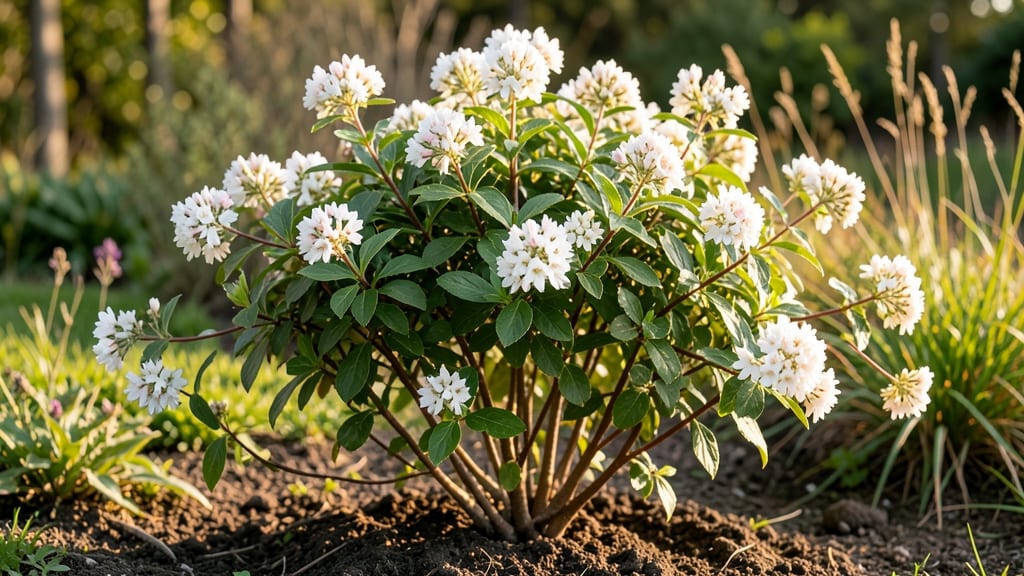
Your wedding garden deserves a sweetly fragrant centerpiece that doubles as a living bouquet. 🌸 The tree shrub with small white fragrant flowers (Philadelphus), or mock orange, is my go-to for its clusters of tiny, intensely fragrant blooms that smell like apricots—perfect for cutting or letting guests inhale as they wander your aisle.
This versatile plant thrives in partial shade, making it ideal for wedding venues where full sun might wilt other flowers by midday.
What makes mock orange special isn’t just its scent—it’s the season-long show it puts on. Blooms appear in late spring and linger through summer, providing continuous fragrance and texture.
Pair it with lavender for color contrast or roses for a classic bridal look, and you’ll create a sensory experience that outshines any bouquet. Plus, its glossy green leaves add lushness to any garden design, whether as a standalone specimen or part of a fragrant hedge.
For maximum impact, plant mock orange where guests will linger—near seating areas or along pathways. Its compact size (6-10 feet tall) makes it perfect for intimate weddings, while larger varieties can anchor bigger ceremonies.
The best part? It’s low-maintenance—just prune after blooming to encourage next year’s flowers. Imagine the gasps when guests realize the "decorative" shrubs are actually edible (yes, the flowers are safe to nibble!).
Looking for alternatives? Consider deutzia for delicate clusters or jessamine for a climbing option with a similar sweet fragrance. Both thrive in similar conditions and add layers of texture to your wedding garden. The key is balancing scent, color, and placement—so every guest feels like they’re stepping into a storybook.
Why Flowers Falter in Fragrance
When your beloved tree shrub with delicate white blooms loses its signature scent, it’s usually a sign of stress or environmental shifts. Understanding the root causes can help you revive that intoxicating aroma—so your wedding garden stays as enchanting as the bouquet itself.
Let’s break down the science behind why these fragrant beauties sometimes go quiet.
Fragrance in flowers is often tied to volatile organic compounds (VOCs), which are produced as a byproduct of healthy metabolic processes. When watering is inconsistent, these processes stall.
- Overwatering: Soggy soil cuts off oxygen, suffocating roots and triggering anaerobic respiration—a slow, inefficient process that weakens scent production. Roots may also rot, releasing foul odors instead of sweet fragrance. - Underwatering: Drought stress forces plants to prioritize survival over scent.
Buds may form, but they’ll lack the energy to produce aromatic oils, leaving your shrub smelling dull or even musty.
💡 Pro Tip: Aim for 1–1.5 inches of water per week, adjusting for clay vs. sandy soil. Test moisture by sticking your finger 2 inches deep—if it’s dry, water deeply but avoid puddles.
Fragrant flowers often rely on specific light and temperature cues to trigger scent production. Too much or too little disrupts their biological clocks.
- Insufficient Sunlight: Many fragrant shrubs (like mock orange or jasmine) need 6+ hours of direct sun to photosynthesize efficiently. Weak light = fewer aromatic compounds.
Shady spots may also delay blooming entirely. - Extreme Heat or Cold: Temperatures outside the ideal range (60–85°F) can stall scent production. Heatwaves cause transpiration stress, while cold snaps slow metabolic activity.
Even nighttime temps matter—some flowers release fragrance at dawn, but if nights are too chilly, the process halts.
✨ Quick Fix: If your shrub is in partial shade, consider gradual sun acclimation (move it to sunnier spots over weeks). For heatwaves, mulch the base to regulate soil temp and water in the early morning to reduce evaporation.
Fragrance is a luxury—your shrub won’t prioritize it if it’s malnourished or drowning in chemicals.
- Nitrogen Excess: Too much nitrogen (from fertilizers) boosts leafy growth at the expense of flowers and scent. The plant diverts energy to foliage instead of aromatic oils. - Phosphorus or Potassium Shortages: These minerals are critical for flower development and fragrance production.
A deficiency (yellowing leaves, weak stems) means buds may form but lack the "perfume factory" inside. - Micronutrient Gaps: Boron, zinc, or magnesium deficiencies can distort flowers or reduce their scent. Soil tests reveal these hidden issues.
📊 Action Plan:
- Feed lightly in early spring with a balanced 10-10-10 fertilizer, then switch to a low-nitrogen, high-phosphorus formula (like 5-10-10) when buds form.
- Avoid synthetic fertilizers mid-bloom—they can burn roots. Instead, use compost or fish emulsion for a gentle nutrient boost.
Pests and pathogens don’t just damage leaves—they hijack the plant’s energy, leaving little for fragrance.
- Sap-Sucking Insects (aphids, scale, spider mites): These pests inject toxins that trigger oxidative stress, reducing the plant’s ability to produce aromatic compounds. You might notice sticky honeydew or curled leaves. - Fungal Infections (powdery mildew, root rot): Fungi clog stomata (pores), disrupting gas exchange needed for scent production.
Overhead watering worsens this. - Bacterial Blights: These can cause blackened stems or wilting buds, killing the scent-producing tissues before they even open.
🔥 Pest Control Tips:
- Neem oil spray (weekly preventative) deters soft-bodied pests.
- Prune infected branches immediately and sterilize tools with rubbing alcohol.
- Improve airflow by spacing shrubs properly—fungi thrive in humid, crowded conditions.
Timing matters when it comes to scent. Pruning during or after blooming removes the plant’s "fragrance factories"—the flowers themselves.
- Late Pruning: Cutting back in fall or winter removes next year’s flower buds, which are already forming. This isn’t just about aesthetics; it’s about sacrificing the scent genes.
- Over-Pruning: Aggressive cuts stress the plant, triggering defensive responses (like producing fewer aromatic compounds to conserve energy).
⏰ Best Practice:
- Prune right after flowering (early summer for most shrubs) to avoid cutting next year’s buds.
- Never trim more than 1/3 of the plant in one go—gradual shaping is kinder to scent production.
Fragrance molecules need movement to reach your nose—and that starts with the plant’s environment.
- High Humidity: Traps pollutants and fungal spores, which can clog pores and dull scent.
Stagnant air also means fragrance lingers poorly around the plant. - Poor Air Circulation: Dense foliage or tight spacing can create microclimates where buds don’t dry properly after rain, leading to mold or weak scent development.
🎯 Fix It Now:
- Space shrubs 3–5 feet apart for airflow.
- Use a fan (gently!) in containers to mimic breezes.
- Avoid mulching too thickly near the trunk—keep it 2–3 inches deep to prevent suffocation.
Even with perfect care, some shrubs naturally lose fragrance over time.
- Older Plants: After 10+ years, some shrubs (like mock orange) produce fewer aromatic compounds as their energy shifts to seed production. - Hybrid Weakness: Many modern cultivars are bred for longer vase life or color, not scent.
If your shrub’s fragrance faded over generations, it might be genetically diluted.
🔄 Solution:
- Replace aging shrubs every 10–15 years for peak fragrance.
- Choose heirloom varieties (e.g., Philadelphus coronarius ‘Aureus’) known for strong scent if breeding is an option.
Fragrance fades when your shrub is stressed, malnourished, or out of balance. By addressing water, light, nutrients, pests, and timing, you can coax those sweet white blooms back to their full, intoxicating potential—just in time for your wedding garden to steal the show. 💐✨
Revive & Restore Your Fragrant Shrubs
If your tree shrub with delicate white blooms is struggling—whether from pests, disease, poor soil, or environmental stress—don’t panic! With the right care, you can bring it back to its lush, fragrant best. Below, we’ve mapped out practical fixes for common issues, plus preventive tips to keep your wedding-worthy shrubs thriving year-round. 🌿✨
If aphids, spider mites, or scale insects are sucking the life out of your shrub, act fast with these gentle but effective solutions:
🔥 Step 1: Inspect & Identify
- Check leaves, stems, and buds for sticky residue (aphids), webbing (spider mites), or bumpy growths (scale).
- Shake the shrub lightly over a white sheet—tiny pests or eggs may fall out, confirming the culprit.
🍳 Step 2: Blast Them Away (Non-Toxic Methods)
- Soapy water spray: Mix 1 tsp mild dish soap + 1 quart water in a spray bottle. Test on a small leaf first to avoid damage. Spray undersides of leaves thoroughly, focusing on infested areas.
Repeat every 3–5 days for 2 weeks. - Neem oil treatment: Combine 1 tbsp neem oil + 1 tsp horticultural oil + 1 quart water + a drop of dish soap (as an emulsifier). Spray at dusk to avoid harming bees. Reapply every 7–10 days.
👨🍳 Step 3: Encourage Natural Predators
- Ladybugs and lacewings love aphids! Buy them online or attract them by planting dill, fennel, or marigolds nearby.
- Birds and beneficial insects thrive with a small water source (like a shallow dish with pebbles) in your garden.
💡 Prevention Tip:
- Prune regularly to improve airflow and remove pest hotspots.
- Mulch with cedar chips—their natural oils repel many insects.
If your shrub’s leaves are drooping, yellowing, or falling off, the issue is likely root-related. Here’s how to diagnose and revive it:
🔪 Step 1: Check the Soil
- Stick your finger 2 inches into the soil:
- If it’s bone-dry, water deeply until it drains from the bottom.
- If it’s soggy, your shrub may have root rot—stop watering immediately and improve drainage (see below).
🥘 Step 2: Adjust Watering Habits
- Overwatering? Let the top 1–2 inches of soil dry out between waterings. Use a well-draining potting mix if in containers.
- Underwatering? Water slowly at the base (not overhead) to encourage deep root growth. Avoid wetting leaves to prevent fungal issues.
⏰ Step 3: Boost Soil Health
- Amend the soil with compost or aged manure (1–2 inches mixed into the top 6 inches of soil).
- Add perlite or sand (1 part to 3 parts soil) if drainage is poor.
- Fertilize lightly with a balanced, slow-release fertilizer (10-10-10) in early spring.
🎯 Prevention Tip:
- Mulch around the base (2–3 inches of organic mulch, like shredded bark) to retain moisture and regulate soil temperature.
- Avoid compacted soil—loosen it gently with a fork if it feels hard.
Harsh weather, wind, or poor location can stunt growth and reduce fragrance. Try these protective measures:
🌡️ Step 1: Shield from Elements
- Wind damage? Plant near a fence or use burlap screens for temporary windbreaks.
- Sunburn? If leaves scorch in hot afternoons, provide partial shade with a sheer cloth or move potted shrubs to a shadier spot.
- Frost sensitivity? Cover young shrubs with frost cloth in late fall or early spring.
💡 Step 2: Optimize Placement
- Fragrant shrubs love morning sun but need afternoon shade in hot climates.
- Avoid low-lying areas where cold air or excess moisture can pool.
✨ Prevention Tip:
- Group shrubs with similar needs to create a microclimate that supports their growth.
- Water deeply before storms to help roots absorb moisture and reduce transplant shock.
With these targeted fixes, your small white-flowering shrub should bounce back—stronger, healthier, and ready to steal the show in your wedding garden! 💐🌸 For persistent issues, consider consulting a local arborist or nursery expert for tailored advice.
Frequently asked questions about fragrant white-flowering shrubs
What's the best way to enhance the fragrance of my white-flowering shrub?
Plant it in a location with morning sun and afternoon shade—this balances light exposure for optimal scent production. Mulch with organic matter (like compost) to improve soil health, and avoid over-fertilizing with nitrogen, which can reduce fragrance. Prune lightly after blooming to encourage next year's fragrant flowers.
Can I grow these shrubs in containers for small gardens?
Yes! Many fragrant shrubs like mock orange thrive in containers if you use a well-draining potting mix and a pot with drainage holes. Choose varieties that stay compact, like Philadelphus 'Belle Etoile', and repot every 2-3 years to refresh the soil. Keep containers in partial shade to prevent stress from heat.
How do I know if my shrub is getting enough water?
Check soil moisture by sticking your finger 2 inches deep—if it's dry, water deeply until it drains from the bottom. Most fragrant shrubs need 1-1.5 inches of water weekly, but adjust for climate. Wilting leaves or yellowing edges indicate either overwatering or underwatering. Mulching helps maintain consistent moisture levels.
What companion plants pair well with fragrant white shrubs?
Try pairing with lavender (for color contrast), roses (classic combination), or salvia (for texture). These plants share similar light and water needs while adding visual interest. For height contrast, add ornamental grasses like fountain grass. Avoid planting with strong-scented herbs that might compete for nutrients.
Why did my shrub's fragrance disappear suddenly?
Sudden fragrance loss often signals stress from overwatering, underwatering, or nutrient deficiencies. Check for pests like aphids that drain plant energy. Environmental factors like too much shade or extreme heat can also reduce scent production. Revive by adjusting care practices and providing optimal growing conditions.