
Pruning
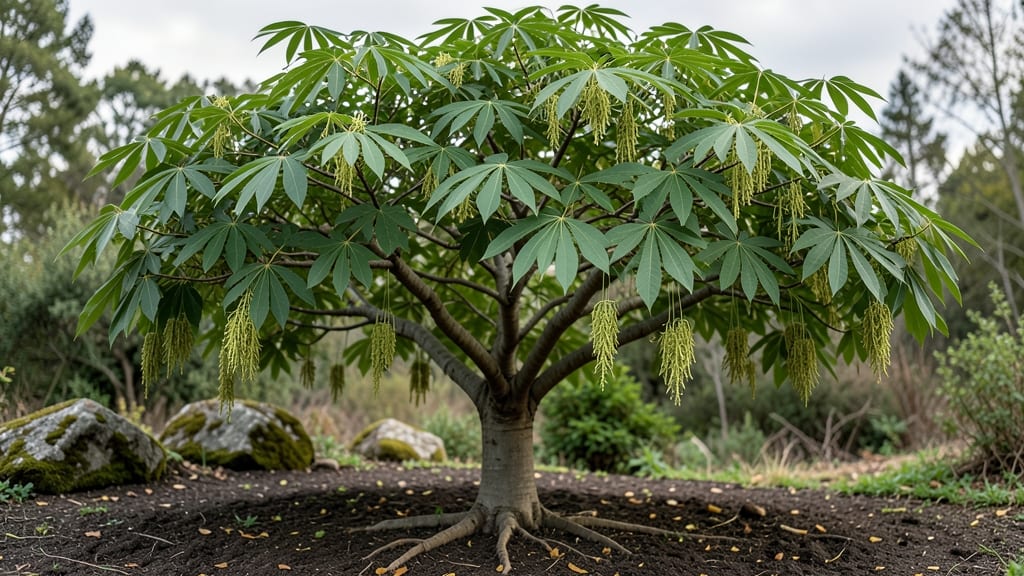
Strategic bud pruning can stop Tree of Heaven from taking over your yard—before it’s too late. 🌳 This aggressive invader spreads like wildfire, and the key to controlling it starts with understanding its buds, which are the first sign of new growth (and new problems).
Here’s the thing—those buds aren’t just for flowers (though they don’t produce any). They’re the tree’s way of pushing out roots, shoots, and even toxic compounds that choke out native plants.
Pruning them back in early spring, when they’re still soft and vulnerable, weakens the tree’s ability to spread. It’s like hitting pause on an unstoppable weed.
You’ll see fewer sprouts popping up around your property, and existing trees will grow slower, making them easier to manage—or even remove. The best part? This method works even if you’re not ready to dig the tree out yet.
Think of it as buying time while you plan your next move.
Fair warning: Tree of Heaven is invasive in most of the U.S., so don’t let it go unchecked. If you’re in a region where it’s spreading fast, this pruning technique is your first line of defense.
And if removal is on the horizon, start here—it makes the job a whole lot easier down the line.
📚 In This Guide
- What you need
- Instructions
- Tips and common mistakes
- Wrapping up and next steps
What you need
- ● Pruning shears or loppers – Bypass pruners (for small branches, ¼"–½" cuts) or loppers (for thicker branches, ½"–2" cuts). Choose sharp, stainless steel blades to avoid crushing stems.
- ● Pruning saw – A curved-tooth handsaw or folding pruning saw for branches 2"–6" in diameter. Look for non-slip grips for safety.
- ● Heavy-duty gloves – Leather or cut-resistant gloves (rated for Category III) to protect against thorns and sap.
- ● Safety goggles – ANSI Z87.1-rated to shield eyes from debris and sap splatter.
- ● Disposable pruning bags or bucket – A 5-gallon bucket with lid or heavy-duty contractor bags for collecting cuttings (seal tightly to prevent regrowth!).
- ● Rake or broom – For clearing fallen debris and small branches post-pruning.
- ○ Tree wound dressing (optional but helpful) – Pruning sealant (like Tanglefoot Tree Wound Pruning Seal) to prevent disease entry on larger cuts (2"+).
- ● Ladder (if needed) – A stable, extendable ladder (rated for your weight + tools) for high branches. Never stand on wobbly surfaces!
- ● Pole saw – For high branches without a ladder (extendable up to 10–12 feet).
- ● Sap remover – Rubbing alcohol (70%+) or citrus solvent to clean sticky sap from tools/skin.
- ● Marking spray or flags – Bright orange spray paint to mark branches for removal (helps with large trees).
- ● Respirator mask – If allergic to Tree of Heaven sap (common in sensitive individuals).
- ● Shovel or root pruner – For small root systems (if tackling young saplings).
Instructions for pruning tree of heaven buds
Here's how to control this aggressive invader through targeted pruning—no heavy equipment needed.
✂️ Step 1: Identify and Mark Target Buds
Tree of heaven produces buds in clusters along stems and branches. Look for swollen, plump buds (about the size of a pea) that appear in late winter or early spring. These are your primary targets—they'll grow into aggressive shoots if left unchecked. I use a permanent marker to circle each bud cluster I plan to remove, working from the bottom of the tree upward.
Real talk: You'll spot some buds hiding in dense foliage. Use a flashlight to inspect the undersides of branches where light rarely reaches. These hidden buds often produce the most vigorous growth, so don't skip this step. I always start pruning when buds are visible but before they begin swelling—this timing gives you the best control.
✂️ Step 2: Use Proper Tools for Clean Cuts
Grab your sharp pruning shears (never dull tools—they crush stems and leave ragged cuts that invite disease). Make cuts at a 45-degree angle, about ¼ inch above a bud or just outside the bud cluster if removing entire shoots. This angled cut helps water run off the wound instead of pooling and rotting the tissue.
For larger branches, switch to your pruning saw. Saw cuts should be smooth and clean—never tear the bark. If you're working with branches thicker than your wrist, consider calling a professional. Tree of heaven's sap is toxic, and removing large branches requires special safety precautions. I always wear gloves when pruning this species to avoid skin irritation from the sap.
✂️ Step 3: Prune at the Right Time
Late winter to early spring is your best window—right after the ground thaws but before buds begin swelling. This timing ensures you remove buds before they develop into new shoots. I aim for February through March in most climates, but adjust based on your local frost dates. Never prune during wet weather—the sap flows more freely, making cleanup messier and increasing the risk of sap-related skin irritation.
If you miss the winter window, you can still prune in early summer, but you'll need to be more aggressive. Remove any new shoots immediately when they appear—these young growths are easier to control than established branches. Watch for new shoots emerging from the base of the tree; these often go unnoticed but can quickly become major problems.
🌿 Step 4: Monitor and Repeat Seasonally
Tree of heaven is persistent, so plan for two to three pruning sessions per year. After your initial winter pruning, check the tree again in late spring and early summer to remove any regrowth. I set a reminder on my phone for these check-ins—this invasive species won't give you a break if you don't stay consistent.
Look for new suckers at the base and water sprouts along branches. These are your enemies. Remove them immediately when they're small—waiting until they're established makes control much harder. Over time, you'll see the tree's energy redirected toward fewer, weaker growth points. This is how you starve it into submission without removing the entire plant.
⏰ Step 5: Dispose of Prunings Properly
Never leave pruned branches on the ground or in your yard. Tree of heaven roots can sprout from even small stem pieces left behind. Instead, bag all prunings immediately and dispose of them in sealed trash bags with your regular yard waste. I double-bag especially large branches to prevent any accidental rooting from sap or buds that might have been missed.
If you have a wood chipper, you can shred the branches and use the chips for mulch—but only if you're certain no buds remain. Even a single overlooked bud can start a new plant. I've seen this happen too many times to risk it. When in doubt, bag and trash it. The goal is to make sure this aggressive tree has zero chance to regrow from your prunings.
Tips & tricks for strategic tree of heaven bud pruning
These battle-tested strategies will help you outsmart this invasive tree and keep it under control.
Timing is Everything: The February through March window is your golden opportunity—buds are visible but haven't yet swollen into aggressive growth. I've learned the hard way that waiting until buds start swelling means you're already playing catch-up with the tree's growth cycle. Mark your calendar now for next year's pruning session, and set reminders for late spring and early summer check-ins too. Consistency is your secret weapon against this persistent invader.
Tool Prep Prevents Problems: Never skip sharpening your pruning shears before the season starts. A dull blade crushes stems instead of making clean cuts, leaving ragged wounds that invite disease. I keep a small file in my toolbox specifically for this purpose—just a few strokes before each pruning session keeps blades razor-sharp. For larger branches over your wrist thickness, I recommend calling an arborist. The toxic sap and potential for significant regrowth make this a job for professionals when safety becomes a concern.
Safety First with Toxic Sap: That milky sap isn't just messy—it's toxic and can cause skin irritation. I always wear heavy-duty gardening gloves when working with tree of heaven, and I recommend you do the same. If sap gets on your skin, wash immediately with soap and water. For extra protection, consider wearing long sleeves and eye protection, especially when using a pruning saw. The cleanup is worth the temporary discomfort when you see those buds disappearing for good.
Visual Cues for Success: When making your 45-degree cuts, aim for smooth surfaces where water can run off. The cut should look like a clean slice through the stem, not a jagged tear. For bud removal, look for that quarter-inch space above the bud cluster—this is where new growth will emerge if you cut too close. I find it helpful to practice on smaller branches first to get the feel of the proper cut before tackling larger stems. Precision at this stage makes all the difference in long-term control.
Pro Tips for Tree Of Heaven Bud
- These battle-tested strategies will help you outsmart this invasive tree and keep it under control.
- Timing is Everything: The February through March window is your golden opportunity—buds are visible but haven't yet swollen into aggressive growth.
- Tool Prep Prevents Problems: Never skip sharpening your pruning shears before the season starts.
Frequently asked questions
Got questions about pruning Tree of Heaven buds to control its spread? You’re not alone—this invasive species can be tricky! Here are some of the most common concerns and quick answers to help you tackle the job like a pro.
When is the best time to prune Tree of Heaven buds?
The ideal window is late winter or early spring (before buds swell) or summer after flowering. Pruning in fall can stimulate new growth, giving the tree extra energy to spread. For aggressive control, repeat pruning every 2–3 months during the growing season to weaken the plant over time.
How do I tell the difference between Tree of Heaven buds and other tree buds?
Tree of Heaven (Ailanthus altissima) buds are large, plump, and reddish-brown, often clustered in groups of 3–5. They’re slightly sticky when touched and appear along the stems before leaves sprout. Compare them to nearby trees—if the buds look weirdly uniform and clustered, it’s likely your target!
Will pruning Tree of Heaven buds kill the tree?
No—pruning alone won’t eradicate it, but it slows growth significantly by removing energy sources. For full removal, combine pruning with cut stump treatment (herbicide or vinegar) or repeated cutting over seasons. Think of pruning as a long-term strategy, not a quick fix.
Are there non-toxic alternatives to pruning for controlling Tree of Heaven?
Yes! Try these chemical-free methods:
- Solarization: Cover the stump with clear plastic for 4–6 weeks to bake roots.
- Manual digging: Remove small saplings by hand (wear gloves—sap can irritate skin!).
- Smothering: Use thick cardboard + mulch to block sunlight to roots.
- Goat grazing: Some farmers use goats to eat young shoots (check local regulations!).
For large trees, pruning + smothering often works best.
Why does Tree of Heaven keep growing back after pruning?
This tree is a survivor—its deep roots and aggressive suckering make regrowth inevitable if you don’t address the root system. After cutting, apply a 2-inch layer of mulch or herbicide to the stump to starve remaining roots. If you see new shoots, prune them immediately—don’t let them grow more than 6 inches!
Pro Tip: Document your progress!
Take photos of the tree before/after pruning and mark the date. This helps track growth patterns and adjust your strategy. Over time, you’ll spot weak spots (like thin branches) to target first.
Wrapping up and next steps
Pruning tree of heaven bud isn’t just about aesthetics—it’s a powerful way to control its spread and protect your landscape. By mastering the right techniques, you’ll reclaim your yard from this invasive species while keeping your plants healthy. Start small, stay consistent, and watch your efforts pay off over time!
🌱 Ready to take action? Grab your tools and schedule your first pruning session this weekend. Every cut is a step toward a greener, more balanced garden! 🌿