
Diseases
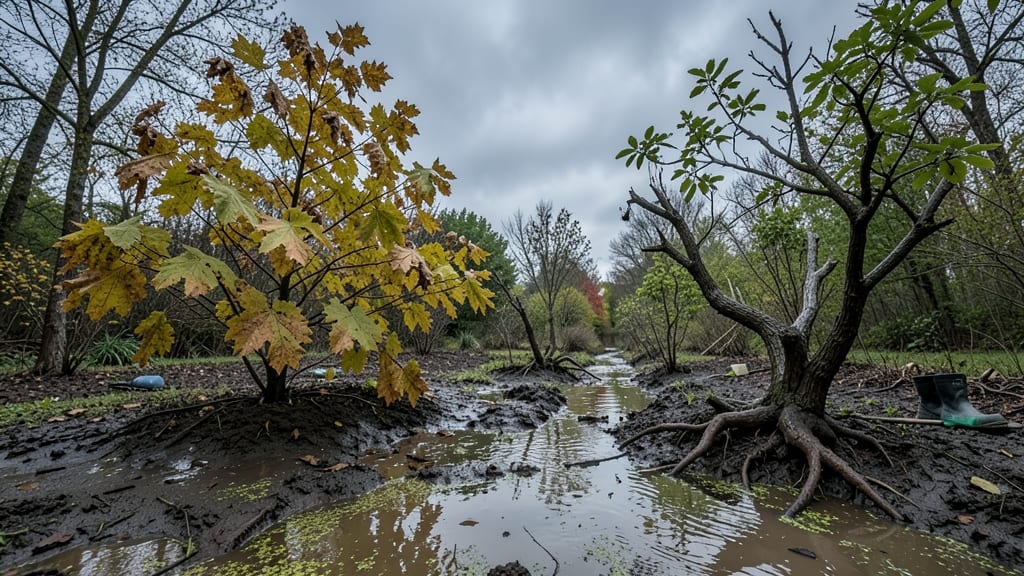
Tennessee’s diverse climate creates ideal conditions for tree leaf diseases that can devastate your landscape. Learn to identify these 10 common diseases early—before they spread—and protect your trees with actionable solutions tailored to Tennessee’s unique growing conditions.
Anthracnose Fungus on Oak Leaves
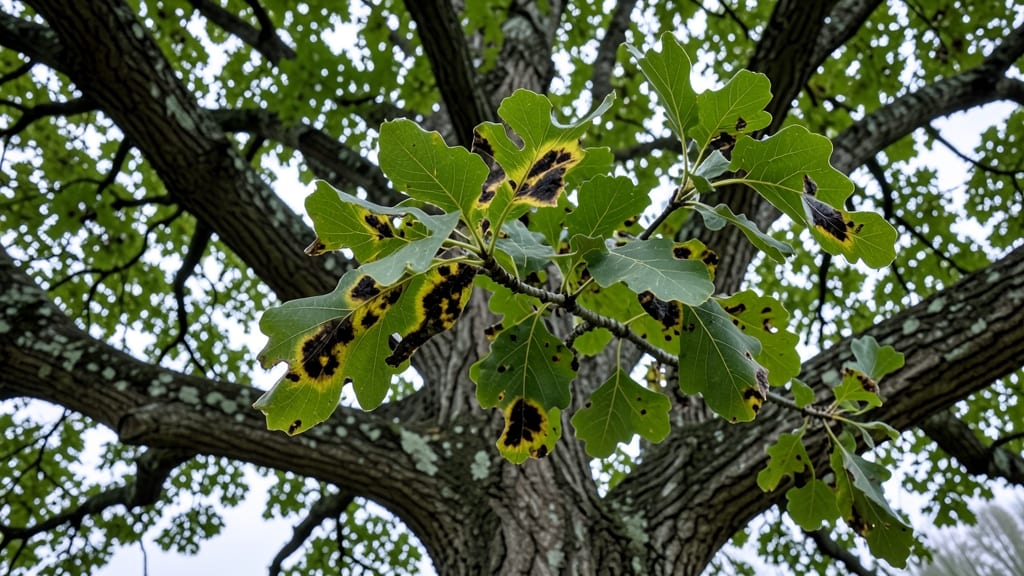
If your Tennessee oak trees are showing dark, sunken spots with yellow halos on their leaves, you’re likely dealing with anthracnose fungus—a common but serious threat to the state’s beloved oaks. This fungal disease thrives during Tennessee’s wet springs, turning vibrant foliage into a patchwork of decay before summer even arrives.
Look for concentric rings on leaves, often appearing first on lower branches. The fungus spreads quickly in moist conditions, so act fast by removing infected leaves and improving air circulation around your trees. Fungicides containing copper or chlorothalonil can help, but prevention starts with proper pruning to reduce humidity near the canopy.
Homeowners with mature oak groves should monitor trees in early spring and after heavy rains. Early intervention prevents defoliation and keeps your Tennessee landscape thriving. 🌱
Powdery Mildew on Maple Trees
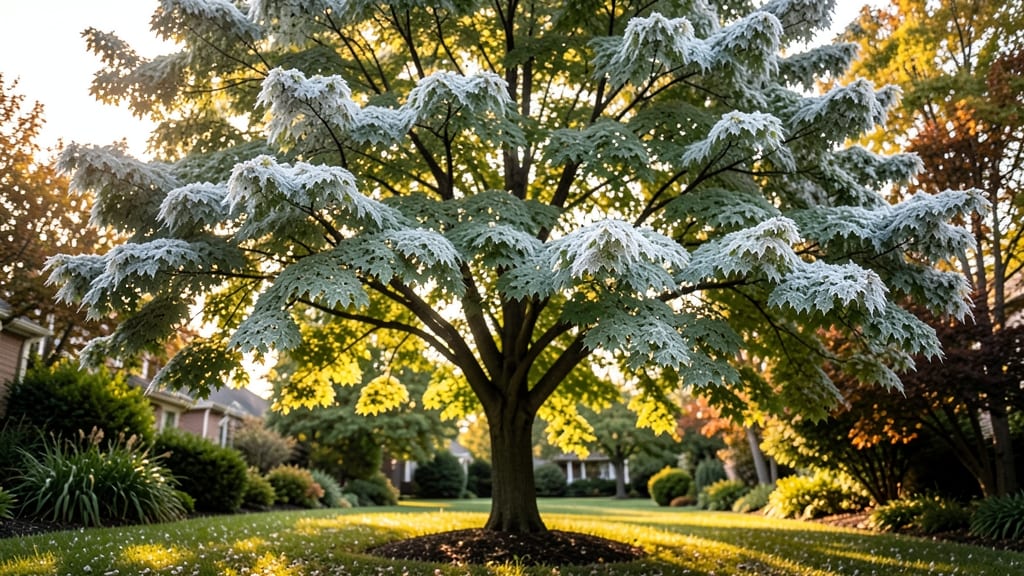
If your maple trees are losing their luster in Tennessee’s sticky summer heat, that white powdery coating isn’t just dust—it’s powdery mildew, a fungal foe that thrives in humidity and poor airflow. This disease creates a chalky film on leaves, blocking sunlight and stunting growth, which is especially problematic for urban gardeners who rely on maples for shade and curb appeal.
To combat it, start with proper spacing—ensure trees have room for airflow, and avoid overhead watering, which encourages fungal growth. A baking soda spray (1 tsp baking soda + 1 quart water + a drop of dish soap) applied every 7-10 days can help, or use fungicidal soap for severe cases. Prune infected branches in late winter to remove overwintering spores before the next growing season.
Urban gardeners with ornamental maples will appreciate this early action—powdery mildew weakens trees over time, making them more susceptible to other pests. With consistent care, you’ll keep those leaves vibrant and your maples thriving. 🌿
Rust Fungus on Pine Needles
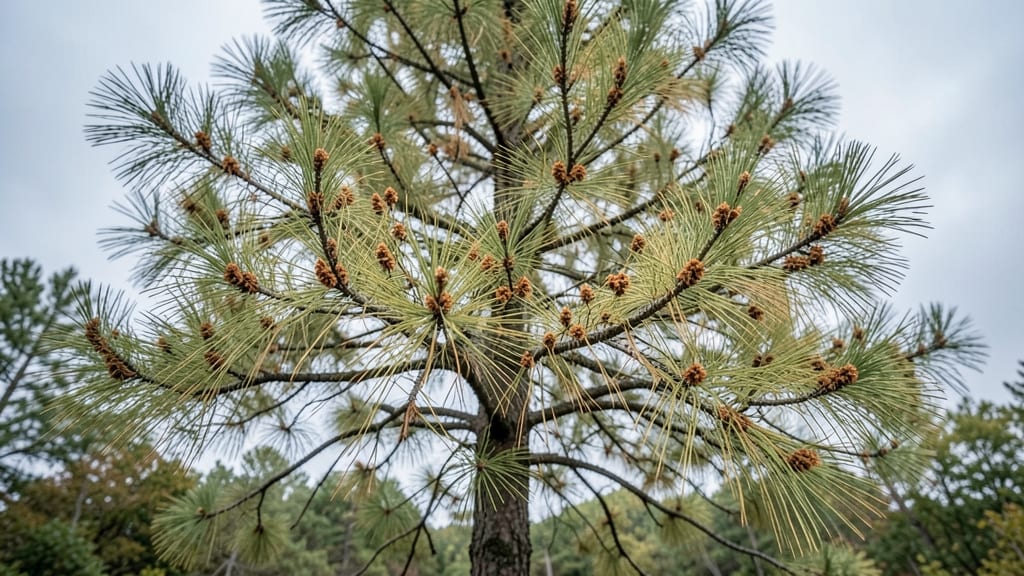
If your Tennessee pines are losing their vibrant green hue and developing orange-brown pustules on their needles, rust fungus might be the culprit. This persistent disease thrives in the state’s warm, humid conditions, slowly weakening trees over time—especially loblolly, shortleaf, and Virginia pines, which dominate Tennessee’s forests and landscapes.
Look for tiny, blister-like spots on needles that eventually burst open, releasing rust-colored spores. While it rarely kills mature trees, severe infections can reduce growth and make pines more susceptible to other stressors like drought or pests. The best defense is early detection—inspect trees in late spring or early summer when spores are most active, and remove heavily infected branches to limit spread.
Forest landowners and wildlife habitat managers should prioritize monitoring, as rust fungus can disrupt pine-dependent ecosystems. For homeowners, maintaining good air circulation and avoiding overhead watering can help reduce conditions that encourage fungal growth. 🌟
Black Spot on Rhododendron Leaves
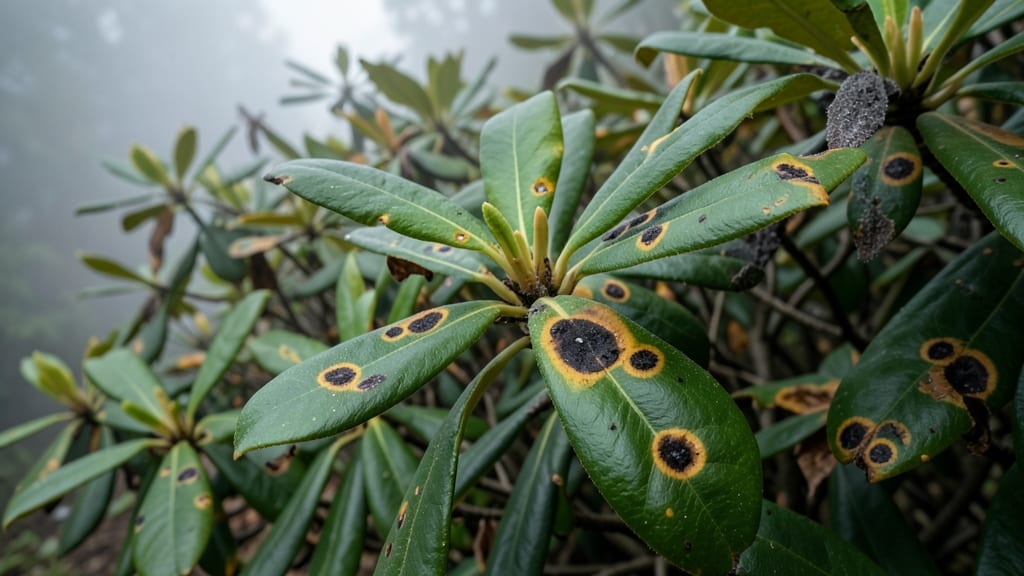
If your rhododendrons are losing leaves faster than expected, black spot disease might be the culprit. This fungal infection thrives in Tennessee’s humid climate, creating dark, circular lesions that expand rapidly, turning leaves yellow before they drop—often by midsummer.
To stop the spread, remove infected leaves immediately and improve air circulation by spacing plants 3-5 feet apart. Apply a copper fungicide in early spring before new growth appears, and avoid overhead watering to keep foliage dry. Resistant varieties like 'PJM' rhododendron can help future-proof your landscape.
Landscapers and homeowners relying on these shade trees for year-round color should treat black spot as a priority—untreated plants can become defoliated skeletons by late summer. 🌿
Apple Scab on Fruit Trees
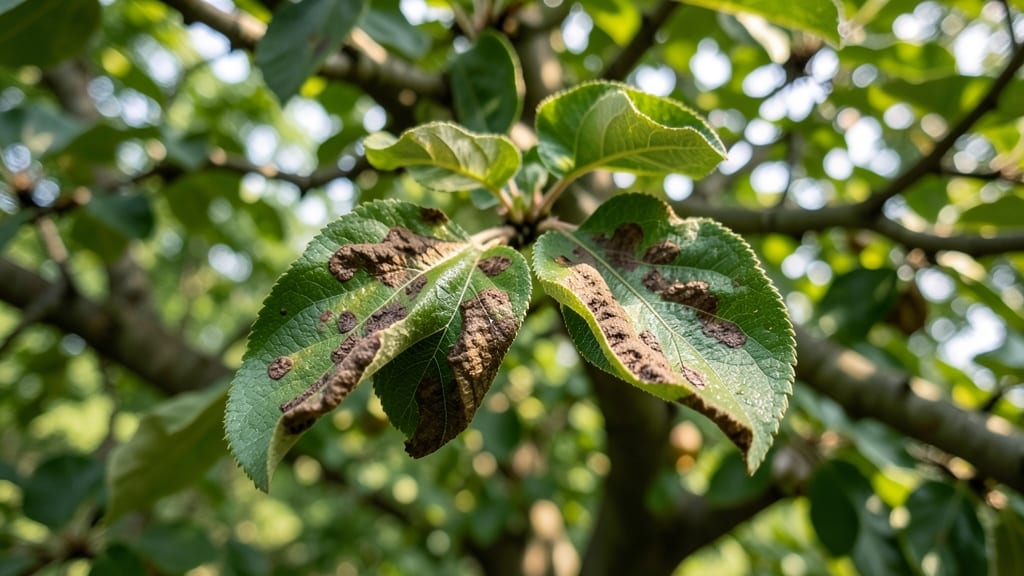
If your apple or crabapple trees in Tennessee are producing distorted, olive-brown patches on leaves, apple scab might be the culprit. This fungal disease thrives in the state’s warm, wet springs—turning vibrant foliage into unsightly, curled messes that reduce fruit quality and yield.
Look for velvety, olive-brown scabs on both leaf surfaces, often with yellow halos. The fungus also infects fruit, creating unsightly lesions that make harvests less appealing. To combat it, apply a copper fungicide during bud swell (before petals open) and again after harvest, spacing treatments 10-14 days apart. Prune out heavily infected branches in dry weather to prevent spore spread.
Homesteaders and orchard owners should prioritize resistant varieties like 'Liberty' or 'Enterprise' apples, which tolerate scab better. Early intervention keeps your trees productive—and your harvests bountiful. 🌱
Needle Blight on Spruce Trees
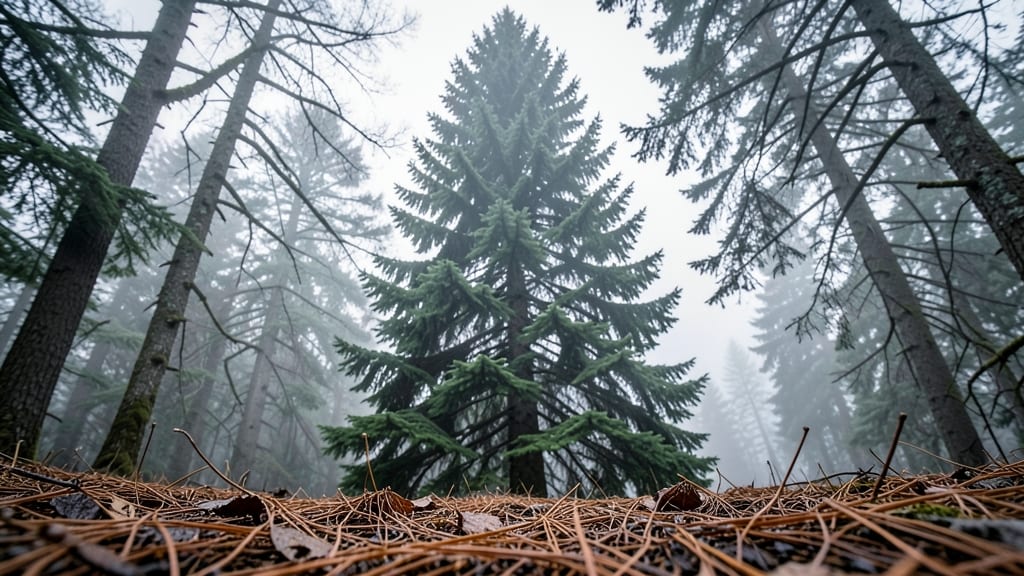
If your Colorado blue spruce or other evergreens in Tennessee’s high elevations are shedding needles prematurely, needle blight is likely the culprit. This fungal disease thrives in the cool, moist conditions of mountainous regions, turning vibrant green needles brown and brittle within weeks.
Look for banded needle drop—where clusters of older needles turn brown and fall while newer growth remains green. The best defense is proper spacing (at least 6 feet apart) to improve airflow and avoid overhead watering during fall and winter. Fungicides containing copper or chlorothalonil can help, but apply them before symptoms appear in early spring for prevention.
Mountain property owners should inspect trees annually in late winter when new growth emerges. Early intervention can save your evergreens from irreversible damage. 🌿
Bacterial Leaf Scorch on Sycamore
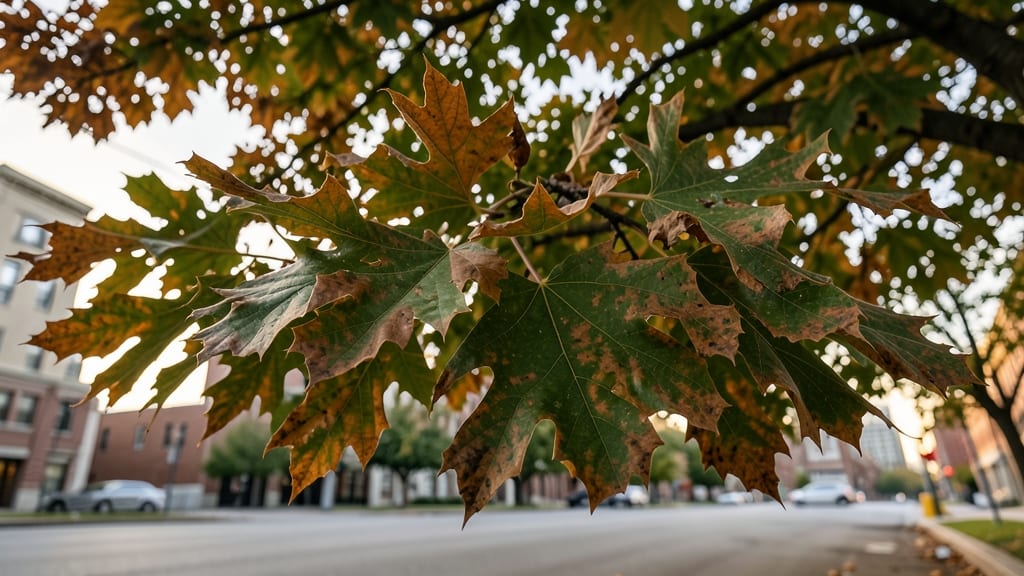
If your sycamore leaves are developing crispy brown edges while the centers stay green, you’re likely dealing with bacterial leaf scorch—a stubborn disease that thrives in Tennessee’s urban heat islands. Unlike fungal issues, this bacterial infection clogs the tree’s water transport system, causing irreversible damage if left unchecked.
Look for vein discoloration (dark brown lines between green areas) and premature leaf drop in late summer. Since the bacteria spreads through xylem vessels, pruning infected branches won’t stop the spread—focus on removing only severely damaged limbs to reduce stress. Copper-based bactericides applied in spring can help, but prevention is key: improve soil drainage and avoid overhead irrigation during hot afternoons.
City tree maintainers in Nashville and Chattanooga see this disease most often in stressed urban sycamores. Early diagnosis means healthier trees and fewer costly removals down the road. 💪
Tar Spot on Sugar Maple
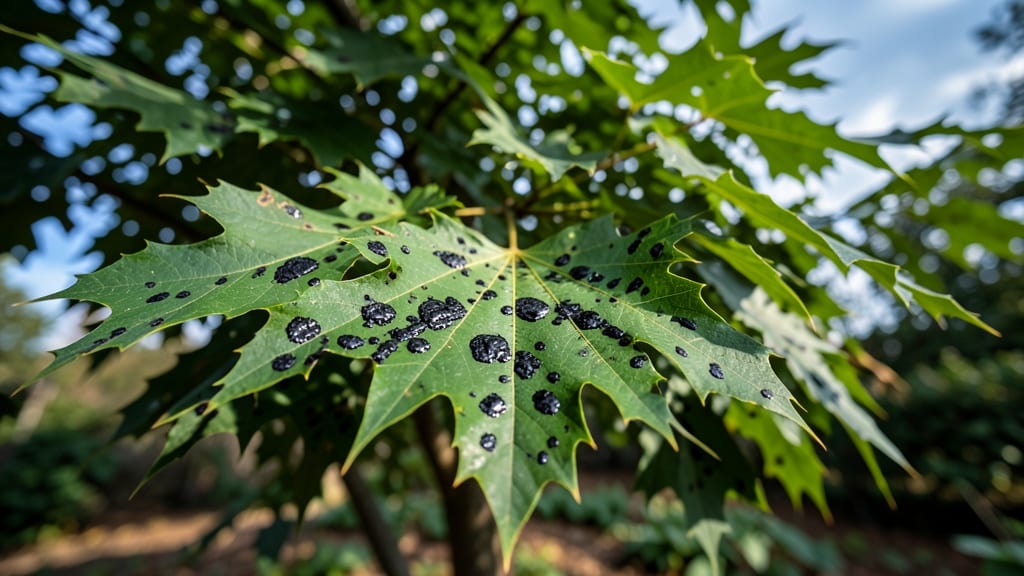
If your sugar maples in Tennessee are developing black, tar-like spots on their leaves, you’re likely dealing with tar spot—a fungal disease that thrives in the region’s humid summers. These spots disrupt photosynthesis, weakening trees and reducing their ornamental value or maple syrup production potential.
This disease appears as shiny black spots (often with yellow halos) on the upper leaf surface, while white fungal structures form on the undersides. Prune and remove heavily infected leaves in late fall or early winter to reduce spore spread, and avoid overhead watering to keep foliage dry. Fungicides containing chlorothalonil or copper can help during wet spring periods when spores are most active.
Tennessee’s maple syrup producers and landscapers should monitor trees closely—early intervention prevents defoliation and maintains tree health for years to come. 🌟
Cedar Apple Rust on Junipers
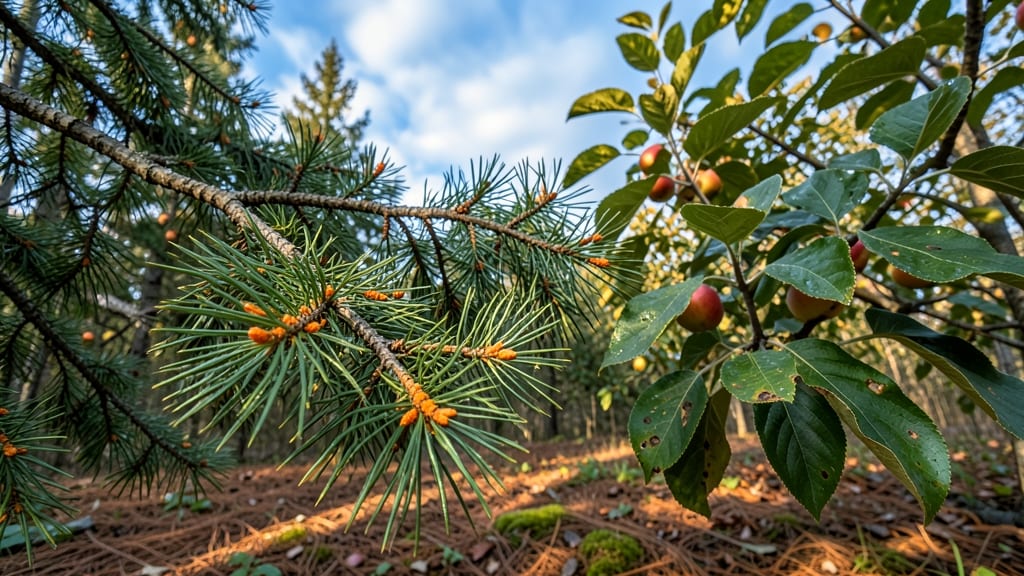
If your Tennessee woodland features both junipers and apple trees, you might be dealing with cedar apple rust—a sneaky fungal disease that jumps between hosts, leaving behind telltale orange pustules on juniper needles and distorted apple leaves.
This two-phase disease thrives in spring and early summer, when spores spread via wind and rain. On junipers, look for bright orange clusters; on apples, watch for yellow spots that develop into scabs. The key to control? Remove infected juniper branches in late winter before spores form and apply copper fungicide to apple trees in early spring. Resistant apple varieties like Liberty or Enterprise can also help break the cycle.
Landowners with mixed woodlands or orchards should prioritize this integrated approach—it’s the only way to starve the fungus out of your landscape. 🌟
Phytophthora Root and Leaf Rot

If your Tennessee garden sits in a low-lying area or floods after heavy rains, Phytophthora root and leaf rot may be silently destroying your plants. This aggressive soil-borne pathogen thrives in waterlogged conditions, causing sudden wilting, yellowing leaves, and stunted growth—often before you even notice the roots are rotting.
Look for dark, sunken lesions on stems and roots, especially near the soil line, along with leaf yellowing that starts at the edges. Unlike fungal diseases, Phytophthora spreads through water, so infected plants in one area can contaminate neighboring soil. To prevent it, improve drainage with raised beds or amend heavy clay soil with compost to reduce compaction. Avoid overhead watering, and disinfect tools between plants to stop spread.
This disease is a nightmare for wetland gardeners, flood-prone properties, and nursery growers—but catching it early with soil tests and proper drainage can save your landscape. 🌿