
Trees
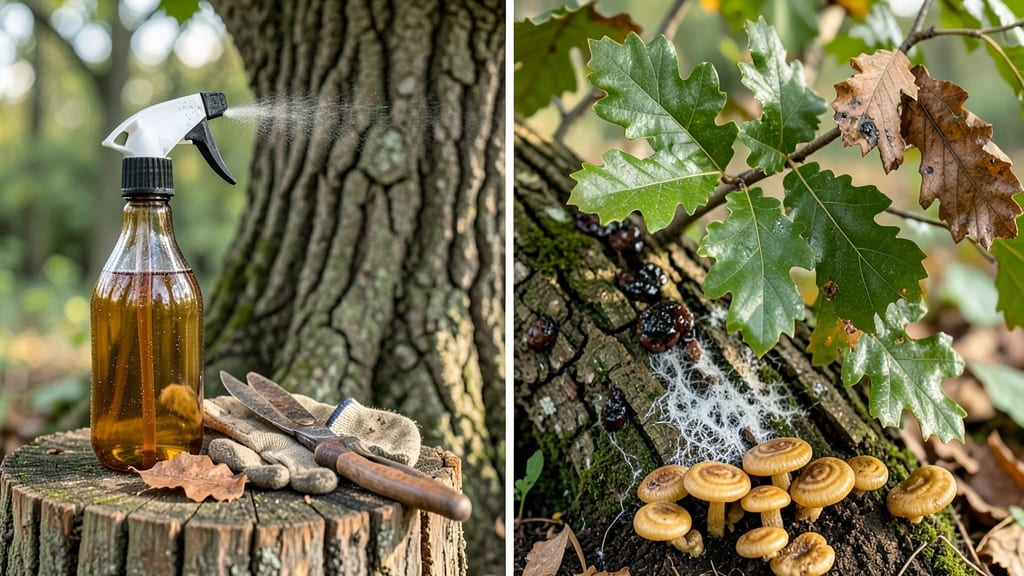
Spotting black spots on leaves or oozing cankers on bark means your tree is fighting tree infection fungus—but it’s not a death sentence. 🌳 I’ve nursed back oak trees with anthracnose and maples with powdery mildew using simple, organic methods that stop the spread and restore health.
The key is acting fast with the right tools and techniques.
Fungal infections thrive when trees are stressed—think poor drainage, overwatering, or crowded branches. My first step? Pruning infected limbs 6 inches below visible damage (sterilize tools with rubbing alcohol first!) and improving airflow around the canopy.
Healthy soil packed with compost also builds natural resistance, making your tree less of a fungal buffet.
You’ll see improvement within weeks: new growth free of spots, firmer bark, and leaves that stay vibrant instead of yellowing. For stubborn cases, organic fungicides like neem oil or copper spray (applied at dusk) can be game-changers.
The goal isn’t just to treat symptoms but to strengthen the tree’s defenses for good.
When in doubt, consult an arborist—some infections (like Dutch elm disease) demand professional intervention. But for most gardeners, a little prevention and quick action can turn a dying tree into a thriving one. Let’s get your wood and foliage back to their best.
Underlying Causes Of Fungal Spread
Tree infection fungus doesn’t appear out of nowhere—it thrives when specific conditions align, often exploiting weaknesses in your trees. Understanding these triggers helps you prevent outbreaks before they start. Here’s why fungal infections take hold in the first place.
Fungi love water—literally. Overly wet soil or prolonged leaf dampness creates the perfect breeding ground for spores. Here’s how it happens:
- Compacted soil: Heavy clay or poorly aerated soil traps moisture, preventing roots from drying out. Result: Fungal pathogens like Armillaria (root rot) or Phytophthora (oak root fungus) spread aggressively.
- Overwatering: While trees need hydration, soggy conditions weaken defenses. Actionable fix: Test soil moisture with a trowel—if it stays damp 2+ inches down, cut back.
- Foliage retention: Wet leaves (from rain, sprinklers, or dew) foster Anthracnose or powdery mildew. Pro tip: Water at the base, not overhead, and prune to improve airflow.
💡 Quick Test: If your tree’s bark stays damp for hours after rain, it’s a red flag for fungal risk.
Trees under stress—whether from heat, drought, or pests—produce sugars that attract fungal invaders. Think of it like an open wound: the tree’s weakened state makes it easier for pathogens to latch on.
- Drought stress: Drought weakens roots, making them vulnerable to Hypoxylon (canker fungus). Solution: Deep watering (1–2 inches per week) during dry spells.
- Temperature swings: Sudden cold snaps or heatwaves disrupt a tree’s natural defenses. Example: Cryphonectria (chestnut blight) thrives in warm, humid summers.
- Pest damage: Insects like bark beetles create entry points for fungi. Watch for: Sawdust-like frass at the base of oaks or pines.
✨ Prevention: Mulch properly (2–4 inches deep, 6 inches from the trunk) to insulate roots and retain moisture without suffocating them.
Any break in the bark or skin of a tree is an invitation for fungal spores. Even minor damage can lead to catastrophic infections over time.
- Pruning cuts: Jagged or improper cuts fail to seal properly, inviting Nectria (a common canker fungus). Rule of thumb: Use sharp tools and make cuts at a 45° angle, ¼” above a branch collar.
- Storm damage: Torn bark or split trunks expose inner tissue to Polyporus (shelf fungus). Action: Seal wounds with pruning sealant (for small cuts) or consult an arborist for large damage.
- Lawn equipment: Mowers or trimmers can gouge tree bases, creating entry points for Armillaria. Pro tip: Keep equipment at least 12 inches from the trunk.
🔥 Warning Sign: If you see oozing sap or discolored streaks near a wound, act fast—fungus may already be colonizing.
Not all trees are equally resilient. Some species are genetically predisposed to fungal susceptibility, while others decline due to poor growing conditions.
- Susceptible species: Elm trees (vulnerable to Dutch elm disease), oaks (oak wilt), and willows (canker diseases) are high-risk. Solution: Choose native, disease-resistant varieties when planting.
- Nutrient deficiencies: Lack of nitrogen or micronutrients (like zinc or manganese) weakens cell walls. Test soil: A simple at-home kit can reveal deficiencies before fungi exploit them.
- Crowded roots: Competing with nearby trees or structures stresses roots, making them easier targets. Fix: Prune roots of invasive species and avoid planting too closely to sidewalks or buildings.
🎯 Long-Term Strategy: Regular soil testing and balanced fertilization (avoid overdoing nitrogen) build a tree’s natural resistance.
Fixing Tree Fungus Naturally
Fungal infections can turn a healthy tree into a sad, drooping shadow of its former self—but the good news is that many solutions are simple, cost-effective, and completely organic.
Below, we’ll break down the most common causes of tree fungus and pair them with practical, step-by-step fixes to restore your tree’s vitality. We’ll also share prevention tips to keep future outbreaks at bay.
Cause: Fungi like Phytophthora and Armillaria thrive in soggy soil, often from overwatering, poor drainage, or compacted ground.
Fix It:
- 🔥 Audit Your Watering Habits
- Water deeply 2-3 times per week (depending on climate) but ensure the top 2–3 inches of soil dry out between sessions.
- Morning watering is best—avoid evening sessions to prevent prolonged leaf wetness.
- 🍳 Boost Soil Drainage
- Amend the soil with compost, perlite, or coarse sand (mix 1–2 inches into the topsoil).
- For heavy clay soil, create a raised bed or swale to redirect water away from the tree’s base.
- 👨🍳 Install a French Drain (If Needed)
- Dig a 6-inch-wide trench 12–18 inches deep around the tree’s drip line (the edge of its canopy).
- Fill it with gravel and a perforated pipe, then cover with soil to redirect excess water.
💡 Pro Tip: Mulch 3–4 inches deep (but keep it 6 inches away from the trunk) to regulate moisture and prevent soil compaction.
Cause: Leaf-spot diseases (e.g., Anthracnose, Septoria) create unsightly brown/black spots, weakening the tree over time.
Fix It:
- 🔪 Prune Infected Foliage
- Remove all diseased leaves with sterilized pruners (wipe with rubbing alcohol between cuts).
- Bag and dispose of infected leaves in the trash (not compost)—fungi can survive in compost piles.
- 🥘 Apply Organic Fungicides
- Neem oil spray (1 tsp neem oil + 1 tsp mild soap + 1 quart water) – spray every 7–10 days until new growth appears.
- Baking soda solution (1 tbsp baking soda + 1 tsp oil + 1 gallon water) – great for powdery mildew.
- Copper fungicide (like Copper Soap) – effective for anthracnose and rust.
- ⏰ Improve Air Circulation
- Thin out dense branches to allow sunlight and airflow to reach the center of the tree.
- Avoid over-fertilizing with nitrogen—it promotes lush, fungus-loving growth.
🌡️ Pro Tip: Water leaves early in the day so they dry quickly—fungi need 12+ hours of moisture to spread.
Cause: Armillaria (honey fungus) or Fomes (shelf fungus) attack roots, causing mushrooms at the base and wilting despite watering.
Fix It:
- 🔥 Remove Fungal Growth
- Carefully dig out any mushrooms or shelf fungi (wear gloves—some can irritate skin).
- Burn or trash the debris—do not compost it.
- 🍳 Aerate the Soil
- Use a garden fork to loosen compacted soil around the roots (go 12–18 inches deep).
- Mix in mycorrhizal fungi (available at garden centers) to outcompete harmful fungi.
- 👨🍳 Adjust Watering & Mulch
- Reduce watering—root rot thrives in waterlogged conditions.
- Replace old mulch with wood chips (avoid fresh bark, which can harbor spores).
✨ Pro Tip: If the tree is already severely infected, consider root pruning (trimming damaged roots) or consulting an arborist for biological controls like Trichoderma fungi.
Once your tree is back in shape, proactive care is key to preventing future outbreaks:
- 💡 Choose Resistant Varieties – Some trees (like oak, maple, and hickory) are more resistant to fungus.
Check local nurseries for disease-resistant species. - 🌡️ Monitor Year-Round – Inspect trees every 2–3 months for early signs (yellowing, spots, mushrooms). - 🎯 Avoid Wounding the Tree – Prune properly (use clean tools, make cuts at a 45-degree angle) to prevent entry points for fungi. - 🍄 Clean Up Debris – Remove fallen leaves, branches, and weeds near the tree’s base regularly.
Final Thought: With the right care, most fungal infections are manageable—and many trees can fully recover with timely action. Start with the fixes above, and your tree will be on its way to a stronger, fungus-free future!
Frequently asked questions
How do I tell if my tree has fungus vs. a pest problem?
Fungal infections usually show as spots, mold, or growths on leaves, bark, or soil, while pests leave holes, chewed edges, or sawdust-like frass. Look for oozing sap or mushrooms at the base—these are classic fungal signs. Pests often create visible damage like borer holes or webbed leaves.
Can I use household items like vinegar or hydrogen peroxide to treat fungal infections?
Vinegar (3% solution) can help prevent some fungal spores when diluted (1:1 with water) and sprayed on leaves, but it won’t cure established infections. Hydrogen peroxide (3%) is safer for sterilizing pruning tools (soak for 10 minutes) than treating the tree itself. For active fungus, stick to neem oil or copper fungicides—they’re more effective.
How often should I inspect my trees for fungus?
Check your trees every 2–3 months, especially after rain or extreme weather. Focus on new growth, bark cracks, and leaf undersides—these are prime spots for early signs. In spring and fall, when fungi are most active, do a thorough inspection. A quick 10-minute scan can catch problems before they spread.
Is it safe to compost leaves from a tree with fungus?
No, never compost leaves or debris from a fungal infection—spores can survive and reinfect your garden. Bag the material and trash it instead. If you’re unsure, burn it (check local regulations first). Healthy leaves or twigs without visible fungus are safe for composting.
When should I call an arborist instead of treating myself?
Consult an arborist if you see large mushrooms at the base, oozing cankers, or wilted branches despite watering. These could signal advanced root rot or systemic diseases like Dutch elm disease. Also call if the tree is over 30 feet tall or near structures—removal may be safer than DIY treatment.