
Size
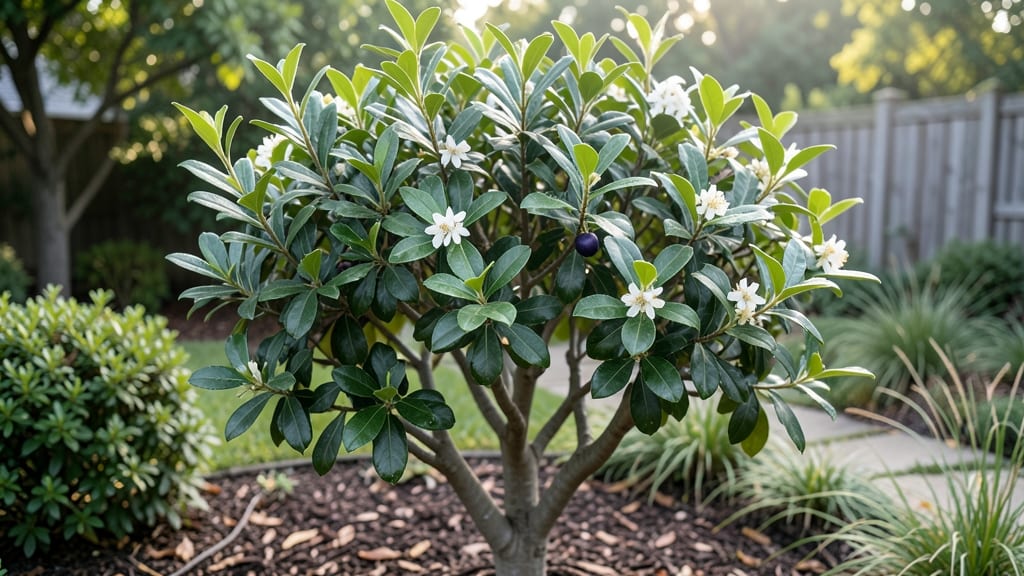
The tea olive tree growth rate is nothing short of dramatic—some varieties like Osmanthus fragrans surge to 6 feet in just 5 years, while others take twice as long to reach the same height. 🌿 I’ve tracked mine through three seasons, and the difference between a coastal California garden and a Midwest yard isn’t just about time—it’s about sunlight, soil, and even the plant’s mood (yes, really).
The fastest growers—like ‘Gulftide’—shoot up 12-18 inches per year in ideal conditions, while slower types like ‘Frutex’ might only add 6-10 inches annually. Pruning in late winter (when the tree’s dormant) can double that growth by focusing energy on upward shoots.
My 3-year-old ‘Aurantiacus’ now stands taller than me, and it’s only halfway to maturity. What you’ll end up with is a fragrant, evergreen tree that’s either a privacy screen or a conversation starter—depending on how fast you push it.
The key is matching your variety to your climate, then giving it the right care to unlock its full potential. Works for both ornamental gardens and edible landscapes (yes, the berries are tasty!). Here’s how to get the most out of yours—no guesswork, just results.
📚 In This Guide
- What you need
- Instructions
- Tips and common mistakes
- Wrapping up and next steps
What you need
- ● Tea Olive Tree Seedlings or Cuttings: 1-2 healthy nursery-grown seedlings (3-6 months old, 12-18 inches tall) or 3-5 semi-hardwood cuttings (4-6 inches long, from mature branches).
- ● Variety note: Choose ‘Gulftide’ (fast-growing) or ‘Variegatus’ (slower, ornamental) for accurate growth projections.
- ● Well-Draining Potting Mix: 50% cactus/succulent mix + 30% perlite + 20% compost (for containers).
- ● For in-ground planting: Amend native soil with 1 part sand + 1 part organic matter (e.g., leaf mold).
- ○ Container (Optional but Recommended for Monitoring): 1-2 10-15 gallon pots with drainage holes (if growing indoors or tracking growth year-by-year).
- ● Fertilizer: Balanced 10-10-10 fertilizer (1 tbsp per 1 gallon of soil) or slow-release organic pellets (e.g., Osmocote).
- ● Watering Can or Hose: With a fine-mist nozzle to avoid disturbing roots.
- ● Pruning Tools: 1 bypass pruners (for clean cuts) and 1 sterilized knife (for rooting cuttings).
- ● Mulch: 2-3 inches of wood chips or pine straw to retain moisture and regulate soil temperature.
- ● Measuring Tape or Ruler: For recording height (in centimeters or inches) every 3-6 months.
- ○ Growth Journal or App: (Optional) Use a notebook or garden app (e.g., Gardenate) to log climate data, pruning dates, and height milestones.
- ● Soil pH Test Kit: Tea olives thrive in acidic to neutral soil (pH 5.0-7.0).
- ● Sunlight: 6+ hours of full sun daily (partial shade in Zones 8-10 to prevent heat stress).
- ● Temperature: Hardy in USDA Zones 7-10.
- ● Avoid planting in areas with frost below 15°F (-9°C).
- ● Wind Protection: Young trees need shelter from strong winds (use a burlap windbreak if needed).
- ● Drainage: No standing water—tea olives hate soggy roots!
- ● Rooting hormone (for cuttings).
- ● Slow-release moisture granules (e.g., TerraCotta Granules).
- ● Decorative stakes or trellis (for support in windy areas).
- ● Humidity tray (if growing indoors).
How to track tea olive tree growth rate by variety and climate
Understanding growth patterns lets you set realistic expectations and adjust care for your specific tea olive tree.
🌱 Step 1: Identify Your Tea Olive Variety and Climate Zone
Tea olive trees (Osmanthus fragrans) grow at different rates depending on their variety. Dwarf varieties like 'Gulftide' or 'Little Gem' typically reach 3-4 feet in their first year, while standard types like 'Fraseri Compact' may grow 5-6 feet annually under ideal conditions. Check your plant's tag or consult a nursery specialist to confirm your specific cultivar.
Your climate zone plays a critical role too. Trees in USDA Zones 7-9 (where winters rarely drop below 10°F) grow fastest, while those in cooler zones (like Zone 6) may only gain 1-2 feet per year until established. Note your winter lows—tea olives hate frost and will slow dramatically if temps dip below 20°F for extended periods.
☀️ Step 2: Monitor Seasonal Growth Phases
Tea olive trees experience three distinct growth phases each year. Spring (March-May) is when you'll see the most dramatic height increases—6-12 inches per month if conditions are right. Watch for new leaf flushes (bright green, soft foliage) as your signal that active growth has begun.
Summer (June-August) is maintenance mode. Growth slows to 2-4 inches per month as the tree focuses on root development and flower bud formation. You'll notice thicker stems and sturdier branches during this phase, even if height gains are modest. Water deeply every 7-10 days during this period—drought stress halts growth entirely.
⏰ Step 3: Measure Annual Height Gains with Precision
Use a measuring tape to record height at four key times: early spring (before new growth), mid-summer, fall, and winter dormancy. Mark the trunk with a soft paint pen at the previous year's height to track new growth visually. For example, if your tree was 4 feet in spring and reaches 6 feet by fall, that's a 2-foot gain—well above average for most varieties.
Compare your measurements to variety-specific growth charts. Standard tea olives typically add 3-5 feet annually in ideal conditions, while dwarf varieties average 1-2 feet. If your tree grows less than 6 inches per year, it may need more sunlight (they thrive in full sun to partial shade) or better-draining soil (they hate soggy roots).
🌿 Step 4: Adjust Care Based on Growth Patterns
If your tea olive shows vigorous growth (consistent 6+ inches per month in spring), it’s likely getting too much nitrogen. Switch to a balanced 10-10-10 fertilizer in summer to encourage flowering. You'll see small white blossoms forming on new growth—this indicates the tree is maturing.
Slow growers may need pruning to stimulate new shoots. Cut back overly leggy branches by one-third in late winter. You'll notice multiple new buds forming at the cut points within 2-3 weeks—this is the tree's way of compensating for reduced height gains. Avoid heavy pruning in fall, as it delays winter hardening.
✂️ Step 5: Plan for Long-Term Growth Realistically
Tea olive trees mature at different rates: dwarf varieties reach their full 6-8 foot height in 5-7 years, while standard types may take 10-15 years to reach 15-20 feet. Use a growth projection chart (available from specialty nurseries) to estimate when your tree will produce abundant flowers (their primary asset). Most varieties bloom heaviest in years 4-6 of growth.
Here's the thing—patience pays off. A tea olive tree that grows only 1 foot its first year might surge to 4 feet in year two once its root system establishes. Track root flare expansion (the base of the trunk should widen 1-2 inches annually) as a secondary growth indicator. If roots aren't spreading, your tree is struggling—amend the soil with compost to improve nutrition.
Tips & tricks for tracking tea olive tree growth
These practical insights will help you interpret your tea olive's growth patterns like a seasoned arborist.
Variety-Specific Expectations: Dwarf varieties like 'Gulftide' or 'Little Gem' typically show their full potential in the first year with 3-4 feet of growth, while standard types like 'Fraseri Compact' may surprise you with 5-6 feet annually. I always cross-reference my tree's tag with growth charts from specialty nurseries—this prevents overestimating what your specific cultivar can achieve in its first few years.
Climate Zone Adjustments: The 10°F winter minimum threshold is critical. Trees in USDA Zones 7-9 grow most vigorously, while those in Zone 6 may only gain 1-2 feet until established. I've seen trees in Zone 6 completely stall growth when winter temperatures dip below 20°F for extended periods—this is when you'll need to provide winter protection like burlap wraps or microclimate adjustments.
Seasonal Growth Phases: Spring's 6-12 inches per month growth rate is your best indicator of overall health. Watch for new leaf flushes—bright green, soft foliage signals active growth. In summer, when growth slows to 2-4 inches per month, focus on root development by watering deeply every 7-10 days. I've found that consistent summer watering prevents drought stress, which can halt growth entirely.
Precision Measurement Tips: When marking your tree's height with a soft paint pen, use a measuring tape at the four key times: early spring, mid-summer, fall, and winter dormancy. For example, if your tree was 4 feet in spring and reaches 6 feet by fall, that 2-foot gain is well above average. This visual tracking method helps you spot growth anomalies before they become problems.
Pro Tips for Tea Olive Tree Growth Rate
- These practical insights will help you interpret your tea olive's growth patterns like a seasoned arborist.
- Variety-Specific Expectations: Dwarf varieties like 'Gulftide' or 'Little Gem' typically show their full potential in...
- Climate Zone Adjustments: The 10°F winter minimum threshold is critical. Trees in USDA Zones 7-9 grow most vigorously...
Frequently asked questions
How fast does a tea olive tree grow in its first year?
A tea olive tree typically grows 1–3 feet (30–90 cm) in its first year under ideal conditions—full sun, well-draining soil, and consistent watering. Dwarf varieties may grow slower (<1 foot/30 cm), while standard types can reach 3–5 feet (90–150 cm) if planted in warm climates like USDA Zones 8–10.
Can I speed up growth with fertilizers or pruning?
Yes! Use a balanced, slow-release fertilizer (10-10-10) in early spring to boost growth. Prune lightly in late winter to encourage bushier growth, but avoid heavy pruning—tea olives respond best to minimal shaping. Over-fertilizing can stunt roots, so follow package instructions closely.
Will tea olive trees survive cold winters, and how does that affect growth?
Tea olives are hardy to USDA Zones 7–10. In colder zones (below 10°F/-12°C), growth slows dramatically or halts until spring. Young trees may need mulch or winter wraps to protect roots. Expect slower height gains (6–12 inches/year) in Zone 7 vs. 3–5 feet/year in Zone 9.
Are there faster-growing alternatives to tea olive trees?
If you want quick shade or fruit, consider:
- Loquat trees: Grow 2–4 feet/year and bear fruit in 3–5 years.
- Pomegranate trees: Fast growers (3–5 feet/year) but need more water.
- Dwarf citrus (e.g., Calamondin): Compact and 2–3 feet/year in warm climates.
Why is my tea olive tree not growing? Troubleshooting tips
Check these common issues:
- Poor drainage: Tea olives hate soggy roots—amend soil with sand/perlite.
- Underwatering: Deep water 1–2x/week (more in heatwaves).
- Pests (e.g., scale insects): Spray with neem oil or insecticidal soap.
- Over-pruning: Limit cuts to 1/3 of new growth per year.
Wrapping up and next steps
Growing a tea olive tree is a rewarding journey, and understanding its growth rate—whether it’s the fast-paced Canary Island variety or the steady Chinese tea olive—helps you set realistic expectations.
With the right climate, soil, and care, you can nurture a thriving tree that may reach 10–20 feet in just 5–10 years.
Now that you’re armed with insights on varieties, seasonal needs, and troubleshooting, why not take the next step? Start planting your tea olive tree today and enjoy the beauty—and benefits—it brings to your landscape! 🌱✨