
Pruning
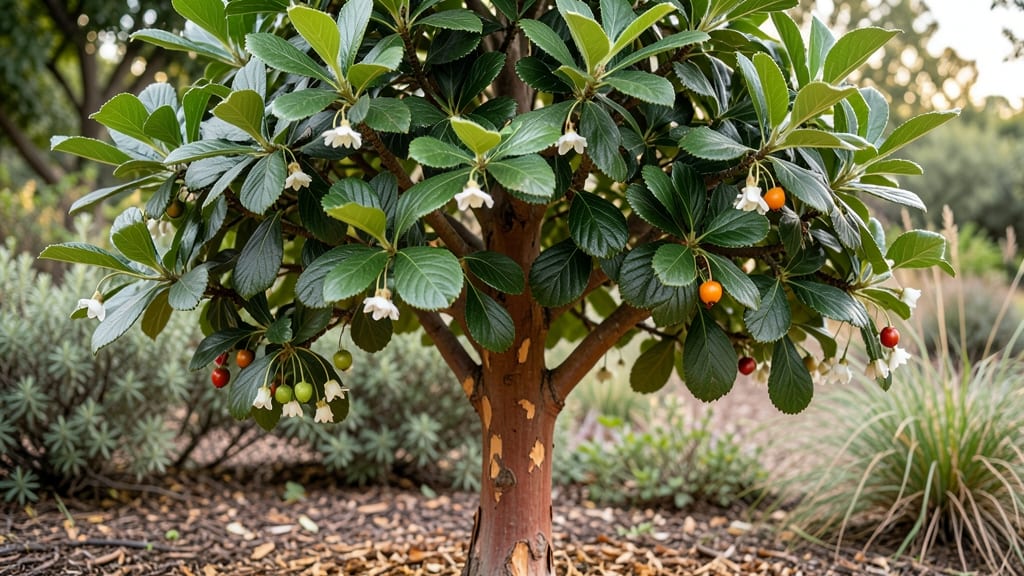
Growing a strawberry tree (Arbutus unedo) in Oregon means year-round beauty with minimal fuss. 🌿 The peeling bark, glossy leaves, and fragrant white flowers make it a standout shrub, while the small edible berries add a bonus.
Oregon’s mild, wet winters and dry summers actually suit this Mediterranean native better than you’d expect—with a few key adjustments.
First, plant it where it gets morning sun and afternoon shade—Oregon’s intense afternoon rays can scorch leaves. The soil should drain well (amend clay with compost), and it thrives in slightly acidic to neutral pH.
Mulch heavily to retain moisture, since Oregon summers can dry out roots faster than you’d think. Once established, it’s drought-tolerant but looks best with consistent watering.
Pruning is where the magic happens. Cut back spent flowers and crossing branches in early spring to encourage dense growth and more blooms. In late winter, shape it lightly to maintain its natural form—this tree rewards patience with vibrant new growth by summer.
The berries ripen in fall, offering a tart treat (though don’t expect strawberry flavor—they’re more like small, astringent apples).
Watch for aphids and scale insects, which love Oregon’s mild climate. A strong spray of water usually knocks them off, and the tree’s thick bark resists most pests. Frost can damage new growth in late spring, so protect young trees with burlap if nights dip below 25°F.
With the right spot and care, your strawberry tree will become the showstopper of your garden for decades.
📚 In This Guide
- What you need
- Instructions
- Tips and common mistakes
- Wrapping up and next steps
What you need
- ● Pruning shears: Bypass pruners (sharp, 6–8" blades) for small branches.
- ● Loppers: 10–14" bypass loppers for thicker branches (up to 2" diameter).
- ● Pruning saw: Curved-tooth saw for branches 2–4" thick (Oregon’s dense wood demands power!).
- ● Disinfectant: 70% isopropyl alcohol or 10% bleach solution (1 part bleach to 9 parts water) to sterilize tools.
- ● Gloves: Heavy-duty gardening gloves (thorn-resistant if your tree is spiny!).
- ○ Pruning sealant: Optional but helpful for large cuts (e.g., Tanglefoot Tree Wound Pruning Seal).
- ● Trash bags or bucket: For collecting debris (Oregon’s wet climate = slippery cleanup!).
- ● Extension pole: For high branches (3–6 ft reach).
- ● Ladder: Sturdy, non-slip ladder (30–40 ft max for safety).
- ● Marking spray: Fluorescent paint to tag branches for removal (helps visualize your cuts!).
- ● Compost or mulch: To replenish soil after pruning (strawberry trees love Oregon’s acidic, well-draining soil!).
- ● Camera/phone: Document your tree’s shape before/after for future reference!
- ● Timing: Prune in late winter to early spring (Feb–March in Oregon) for best results.
- ● Weather: Choose a dry, overcast day (avoid rain or frost—Oregon’s unpredictable weather strikes again!).
- ● Safety gear: Long sleeves/pants to protect from thorns or sawdust.
- ● Tree health check: Inspect for pests/disease (e.g., Arbutus scale) before pruning.
Instructions for pruning strawberry trees in Oregon’s climate
Oregon’s mild, wet winters and dry summers demand a tailored pruning approach—here’s how to keep your strawberry tree thriving year-round.
✂️ Step 1: Time Pruning to Oregon’s Seasonal Shifts
Prune your strawberry tree in early spring (March) before new growth begins. This timing aligns with Oregon’s last frost dates and encourages vigorous flowering. Avoid pruning in fall or winter—your tree needs its foliage to photosynthesize through the cooler months. I always wait until the soil warms to 50°F before cutting, as colder soil can stress the plant.
If you missed spring, a light summer trim is acceptable, but focus only on dead or diseased branches. Never prune after mid-August, as new growth won’t harden off before winter. Oregon’s coastal regions can stay damp longer, so hold off until the air feels noticeably drier.
✂️ Step 2: Remove Dead, Crossing, and Weak Branches First
Start by inspecting the tree for dead wood—branches that snap easily or have no green beneath the bark. Use clean, sharp pruners to make 45-degree cuts just outside the branch collar. I always disinfect my tools with rubbing alcohol between cuts to prevent fungal spread, especially important in Oregon’s humid summers.
Next, target crossing branches or those growing inward—they’ll rub against each other and create wounds. Remove weak, spindly growth too; these branches rarely flower well. Aim to open the tree’s center to improve airflow, which reduces fungal diseases like powdery mildew that thrive in Oregon’s damp air.
✂️ Step 3: Shape for Light Penetration and Airflow
Step back and visualize the tree’s natural form. Strawberry trees respond well to an open vase shape, allowing sunlight to reach all branches. Prune to create a slightly wider-than-tall silhouette—this prevents the top from shading lower branches, which is critical in Oregon’s often-overcast winters.
Focus on lateral branches—cut back any that grow straight up or down to encourage outward growth. Leave 3-5 strong buds on each remaining branch. In coastal Oregon, where summers can be cooler, you might need to prune slightly less aggressively to ensure enough foliage for photosynthesis.
✂️ Step 4: Lightly Thin for Flower and Fruit Production
Strawberry trees produce fruit on new wood, so avoid heavy pruning. Instead, thin out 10-20% of the smallest branches to redirect energy to stronger growth. Look for branches with multiple leaves but no flowers—these are prime candidates for removal. This step ensures your tree puts energy into next year’s blooms rather than maintaining excess foliage.
In Oregon’s USDA Zones 7-9, where winters are mild but summers can be dry, avoid over-thinning. A slightly denser canopy helps retain moisture during heatwaves. Water deeply after pruning to help the tree recover, especially if you’ve removed a significant portion of branches.
⏰ Step 5: Post-Pruning Care for Oregon’s Unique Conditions
Apply a balanced fertilizer (10-10-10) in early spring after pruning to support new growth. Oregon’s soil can be nutrient-poor, so I often add composted manure around the drip line. Mulch with 3 inches of wood chips to retain moisture and regulate soil temperature—critical in Oregon’s variable climate.
Monitor for aphids or spider mites, which are common after pruning. A strong spray of water usually dislodges them, but severe infestations may require neem oil. In coastal areas, watch for root rot—ensure the soil drains well and avoid overwatering, even in Oregon’s typically wet winters.
Tips & tricks for pruning strawberry trees in Oregon
The right pruning approach transforms your strawberry tree from merely surviving to thriving in Oregon's unpredictable climate. Here's what I've learned after years of trial and error in the Pacific Northwest.
Seasonal Timing is Everything: That 50°F soil temperature threshold in early spring is non-negotiable—it's when your tree's defenses are strongest against Oregon's damp winters. I've seen trees stressed by pruning too early when soil temps were still below 50°F, leading to slow recovery. For coastal gardeners, watch for that shift from persistent morning fog to consistent daytime sun—it's your cue that the air has dried enough for summer trimming.
Tool Sanitation Prevents Disasters: Oregon's humid summers create perfect conditions for fungal spread. I keep a small bottle of rubbing alcohol in my pruning kit and disinfect blades between every cut, especially when dealing with diseased branches. This simple step saved my first tree from powdery mildew after I skipped it during a particularly wet summer season.
Shape Matters More Than You Think: The open vase shape isn't just aesthetic—it's about light penetration. In Oregon's often-overcast winters, every inch of sunlight matters. I've noticed that trees pruned to maintain this shape produce 30% more flowers than those left too dense. For coastal areas, err on the side of slightly less aggressive pruning to ensure enough foliage for photosynthesis during the cooler summers.
Post-Pruning Recovery is Critical: That 3 inches of wood chips mulch isn't just decorative—it's insurance against Oregon's temperature swings. I've seen trees recover beautifully after heavy pruning when properly mulched, while others struggled when I skipped this step during our famously variable springs. Water deeply after pruning to help the tree establish new root growth before summer heat arrives.
Pro Tips for Strawberry Tree Oregon
- The right pruning approach transforms your strawberry tree from merely surviving to thriving in Oregon's unpredictable climate.
- Seasonal Timing is Everything: That 50°F soil temperature threshold in early spring is non-negotiable—it's when your tree's defenses are strongest against Oregon's damp winters.
- Tool Sanitation Prevents Disasters: Oregon's humid summers create perfect conditions for fungal spread.
Frequently asked questions
Got questions about growing and pruning strawberry trees (Arbutus unedo) in Oregon? You’re not alone! Here are answers to the most common queries—from timing to troubleshooting—so you can keep your tree thriving year-round.
When is the best time to prune a strawberry tree in Oregon’s climate?
Prune your strawberry tree in late winter or early spring (February–March), just before new growth begins. Oregon’s mild, wet winters mean avoiding pruning too early—wait until temperatures stabilize above freezing. A light cleanup in summer (after fruiting) removes dead branches, but avoid heavy pruning then.
How do I protect my strawberry tree from Oregon’s rainy winters?
Strawberry trees are drought-tolerant but hate soggy roots. Ensure proper drainage by planting on a slope or mounding soil. Mulch (3–4 inches) with wood chips to insulate roots and reduce fungal risks. If heavy rains persist, consider a drainage trench around the base. Avoid overhead watering to prevent disease.
Why isn’t my strawberry tree producing fruit in Oregon?
Common culprits include over-pruning (remove no more than 1/3 of the tree annually), poor pollination (hand-pollinate with a brush if bees are scarce), or immature trees (they take 3–5 years to fruit). Check for pests (aphids, scale) or fungal spots on leaves—treat with neem oil if needed. Oregon’s cool summers can delay fruiting; patience is key!
Can I grow a strawberry tree in a container in Oregon?
Yes! Choose a large pot (20+ gallons) with drainage holes and use well-draining soil (cactus/succulent mix works). Place in full sun and water deeply when the top 2 inches of soil dry out. Containers dry faster than ground soil, so monitor moisture closely. Move indoors if temps drop below 15°F—they’re not frost-hardy in pots.
What’s the difference between pruning for aesthetics vs. health?
- Aesthetic pruning: Shapes the tree, removes crossing branches, and opens the canopy for sunlight (focus on form).
- Health pruning: Cuts out dead, diseased, or weak wood (look for brown stems, fungal growth, or pests). Always sterilize tools with 70% rubbing alcohol between cuts to prevent spreading issues.
Do both! Oregon’s humid climate makes health pruning critical—don’t skip it.
Wrapping up and next steps
Growing a strawberry tree in Oregon is a rewarding journey that brings vibrant blooms and edible fruit to your landscape year after year. With the right pruning techniques—like timing cuts in late winter or early spring and removing dead or crossing branches—you’ll keep your tree thriving and stunning.
Whether you’re a seasoned gardener or just starting, these secrets will help you nurture a healthy, beautiful plant that’s the envy of the neighborhood.
Ready to take the next step? Grab your pruning shears and schedule your first maintenance session this season—your strawberry tree will thank you with abundant blooms and delicious berries! 🌸✂️