
Pruning
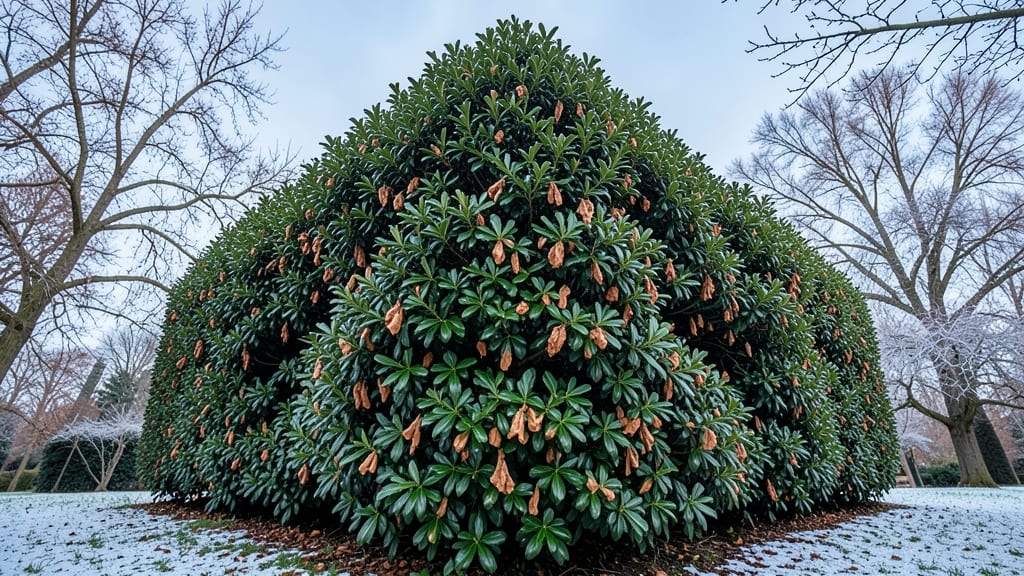
Strawberry trees (Arbutus) create stunning, evergreen hedges with vibrant bark and seasonal flowers. These 10 pruning plans transform your property into a lush, low-maintenance privacy screen that thrives year-round with minimal upkeep.
Classic Arbutus Unedo Evergreen Hedge
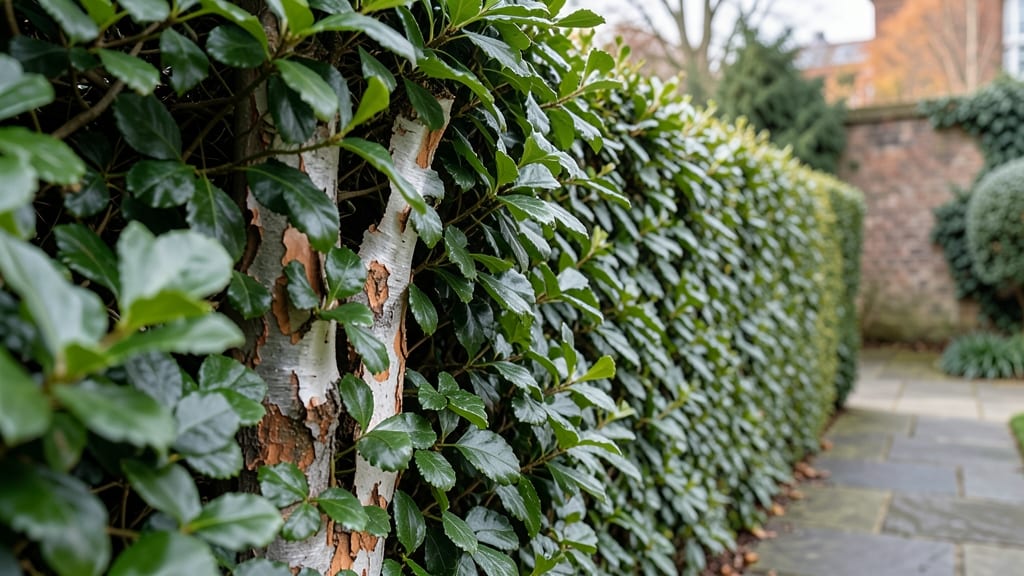
If you’re craving a year-round hedge that’s as stunning in winter as it is in summer, the Arbutus unedo—commonly called the strawberry tree—delivers with its dense evergreen foliage and signature peeling bark. This classic choice has been the backbone of UK formal gardens for centuries, offering both structure and seasonal drama.
To maintain its signature look, prune lightly in late winter or early spring before new growth appears, shaping into a neat, geometric form. The key is to remove any overcrowded branches while preserving the tree’s natural shape—avoid shearing too hard, as this can reduce flowering. For a polished finish, trim again in mid-summer to encourage fresh growth and maintain density. The result? A hedge that stays lush, fragrant, and visually striking through all four seasons.
This hedge is ideal for gardeners who love structured landscapes but want a touch of natural beauty. Its low-maintenance nature makes it perfect for formal gardens, urban courtyards, or as a privacy screen that never goes out of style. 🌟
Fast-Growing Strawberry Tree Border
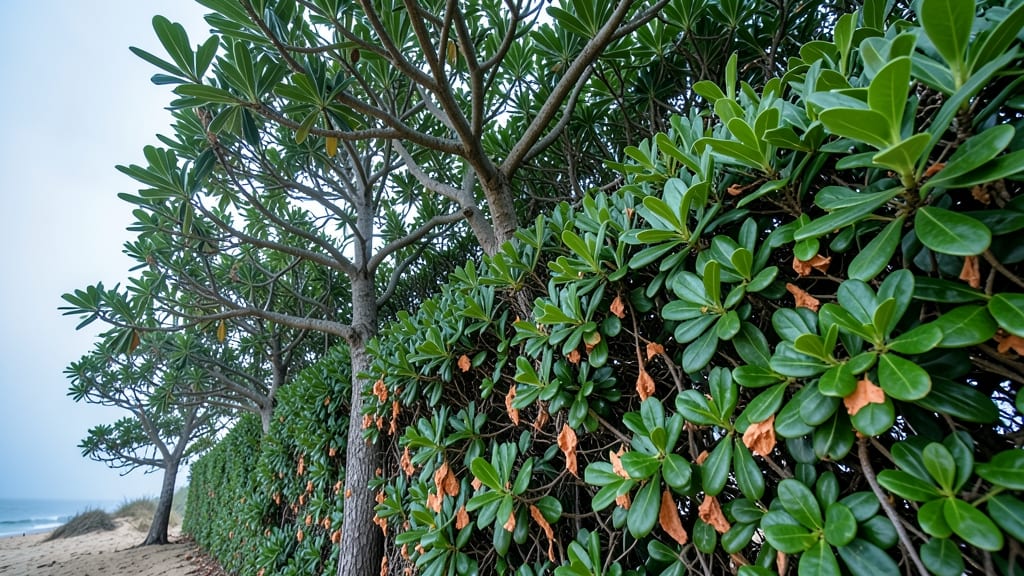
Need a quick privacy solution that doesn’t require years of waiting? A strawberry tree border delivers 12-18 inches of growth annually, turning bare spaces into lush, wind-resistant screens in just a few seasons. Unlike formal hedges, these thrive in coastal conditions, making them ideal for beachfront properties or exposed gardens where other plants struggle.
Plant saplings 18-24 inches apart for a loose, natural look—perfect for informal borders or wildflower meadow edges. Prune lightly in late winter to shape new growth, but avoid heavy shearing to preserve the tree’s resilient, irregular form. The salt-tolerant foliage stays vibrant even in salty air, and the exfoliating bark adds winter texture. This hedge is the ultimate low-maintenance choice for gardeners who want speed and substance without fuss.
Urban gardeners and coastal homeowners will love this fast-growing, hardy option—it’s the secret to instant privacy with minimal effort. 🌿
Floral-Focused Strawberry Tree Hedge
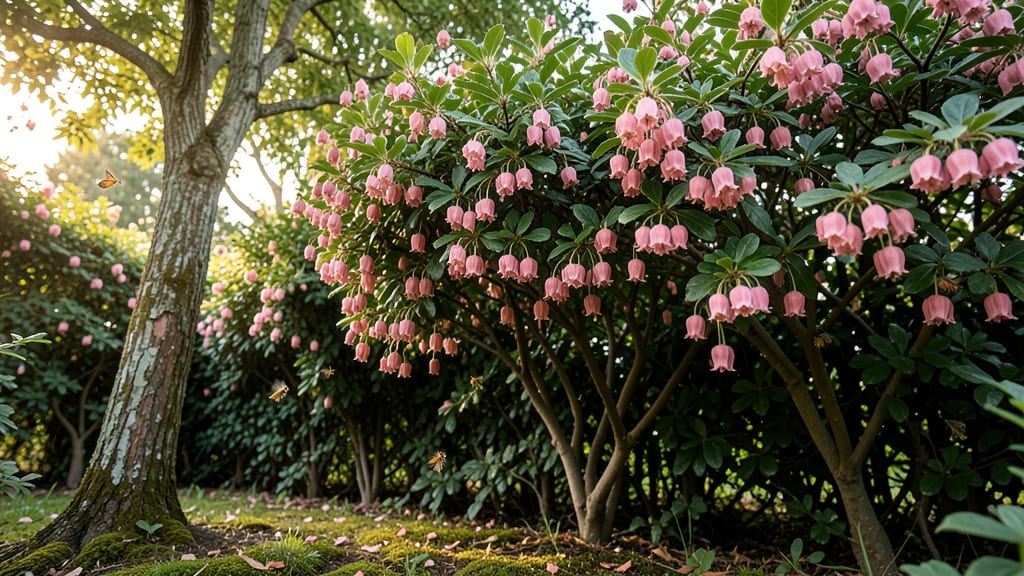
Transform your cottage garden into a romantic retreat by creating a floral-focused strawberry tree hedge that bursts into color each late summer and autumn. The iconic pink bell flowers of Arbutus unedo will steal the show, creating a fragrant, eye-catching display that attracts pollinators and adds charm to any rustic setting.
To maintain this stunning bloom, prune lightly in early spring to shape the hedge while preserving the lower branches where flowers form. Avoid heavy shearing—focus on opening the center to allow light and air circulation, which encourages more pink bell blooms the following season. Pair with lavender or rosemary to enhance the cottage garden aesthetic and create a fragrant living border.
This hedge is perfect for gardeners who love seasonal interest without the high-maintenance demands of flowering shrubs. The delicate flowers contrast beautifully with the tree’s evergreen foliage and peeling bark, offering year-round appeal. 🌷
Dwarf Strawberry Tree Privacy Screen
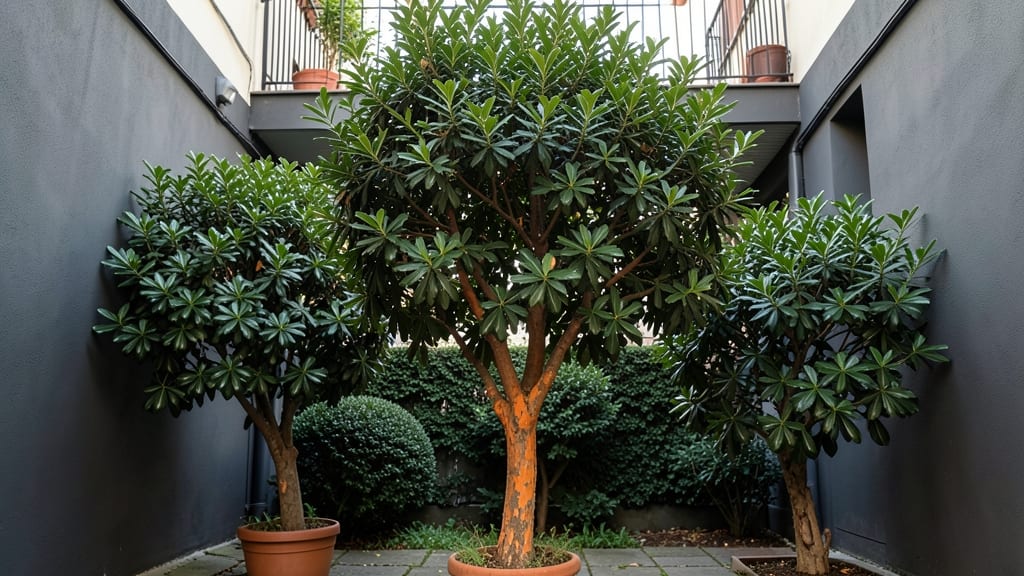
When every inch of your garden counts, the Arbutus 'Compacta' solves the privacy puzzle without sacrificing space. This dwarf strawberry tree grows just 6-8 feet tall, making it ideal for narrow urban yards, courtyard borders, or even container planting along patios.
Plant 3-4 feet apart for a dense screen that matures in 3-5 years, with minimal pruning needed beyond occasional shaping. Its evergreen foliage and exfoliating bark provide year-round interest, while the compact growth habit ensures it won’t overwhelm smaller spaces. Perfect for city dwellers or beginners craving a low-maintenance privacy solution. 🌱
Wildlife-Friendly Strawberry Tree Hedge
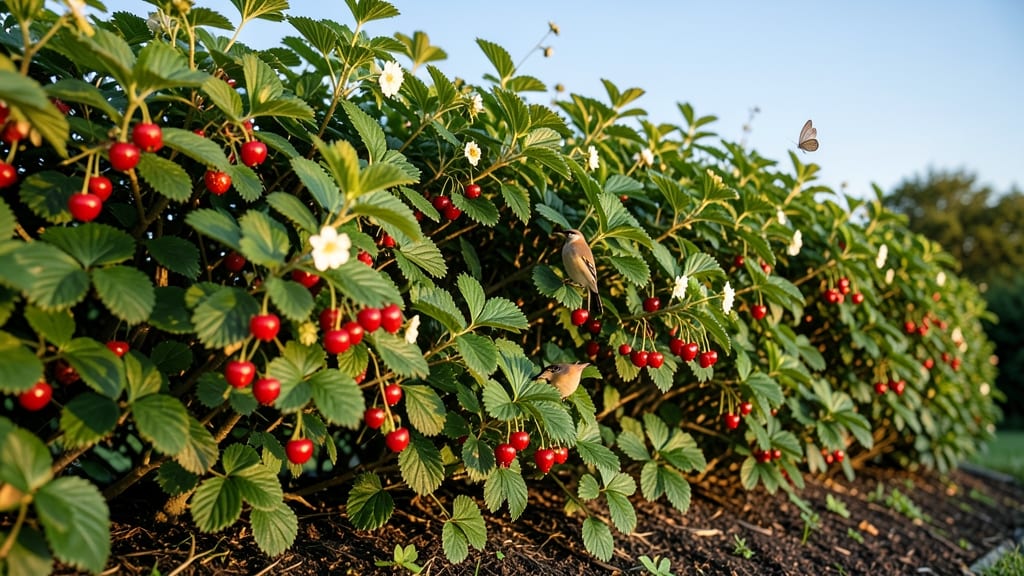
Transform your garden into a thriving ecosystem with a wildlife-friendly strawberry tree hedge—a haven for birds, insects, and pollinators. Unlike traditional hedges, this dense, evergreen structure provides edible fruit (small red berries) that attracts finches, thrushes, and even butterflies while offering shelter for nesting.
To maximize its ecological benefits, prune strategically by creating staggered heights—leave lower branches intact for ground-foraging birds while shaping the top for wind protection. The tree’s dense foliage also blocks invasive pests naturally, reducing the need for chemicals. Plant in clusters of 3-5 for optimal wildlife connectivity.
Perfect for eco-conscious gardeners, this hedge turns your property into a self-sustaining wildlife corridor while adding beauty year-round. 🌿
Coastal-Resistant Strawberry Tree Screen
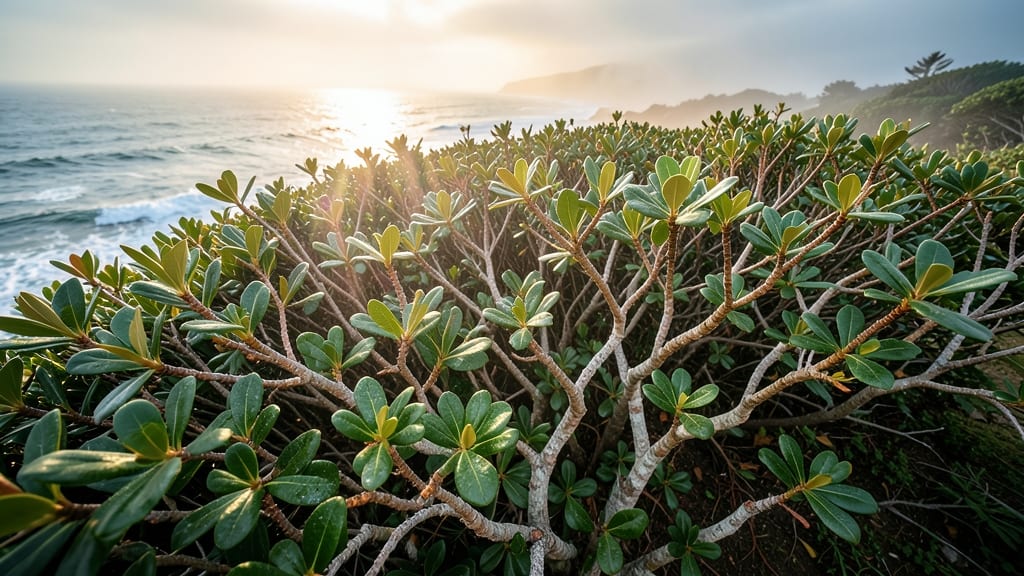
If your garden faces relentless ocean winds and salty air, a coastal-resistant strawberry tree hedge is your secret weapon. Unlike many plants that wilt under these conditions, Arbutus unedo thrives in exposed coastal zones, its thick foliage and flexible branches bending without breaking.
To maintain its wind resistance, prune lightly in late winter to remove only damaged growth—never shear aggressively. Space plants 6-8 feet apart to allow airflow, reducing salt buildup on leaves. The tree’s natural resilience means it recovers quickly, even after storms. For extra protection, mulch with gravel or pine bark to prevent soil erosion.
This hedge is ideal for homeowners along shorelines who want year-round privacy without constant maintenance. The peeling cinnamon bark adds winter interest, while its tolerance for poor, sandy soils makes it a low-fuss choice. 🌿
Multi-Stem Strawberry Tree Hedge
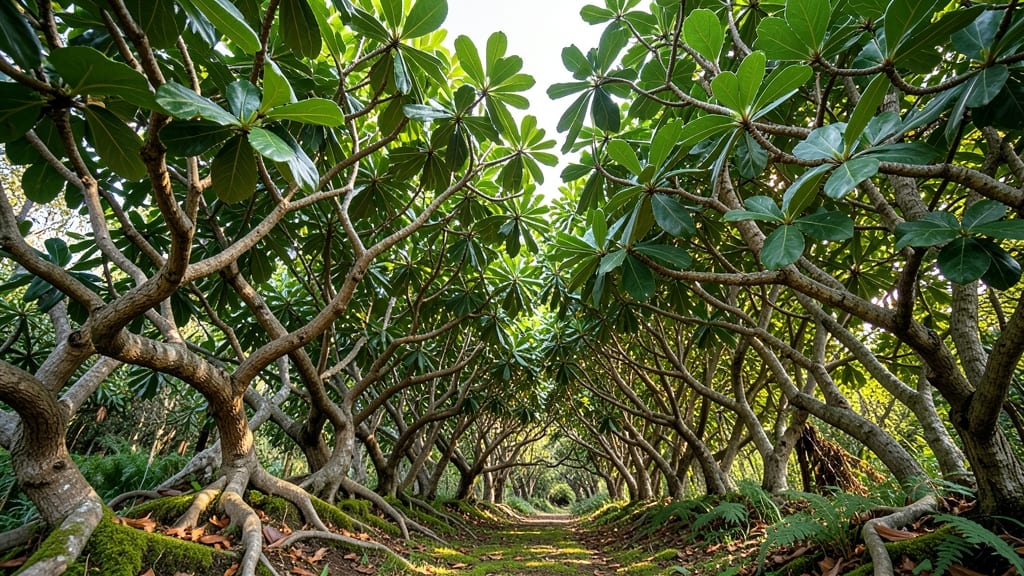
Transform your rustic garden into a fairy-tale retreat with a multi-stem strawberry tree hedge—where multiple trunks intertwine naturally for a woodland charm. Unlike traditional hedges, this approach celebrates the tree’s organic growth pattern, creating a whimsical, textured screen that feels wild yet intentional.
Start by planting saplings 12-15 feet apart to allow trunks to develop freely. Prune selectively in late winter to remove crossing branches while preserving the natural canopy shape. Avoid shearing—focus on thinning dense areas to maintain airflow and highlight the exfoliating bark, which adds winter interest. For a denser look, layer younger trees behind established trunks.
This design thrives in partial shade to full sun and is perfect for gardeners who love rustic aesthetics or small woodland gardens. The multi-stem structure also creates microhabitats for wildlife, making it a living tapestry of texture and life. 🌿
Low-Maintenance Strawberry Tree Wall
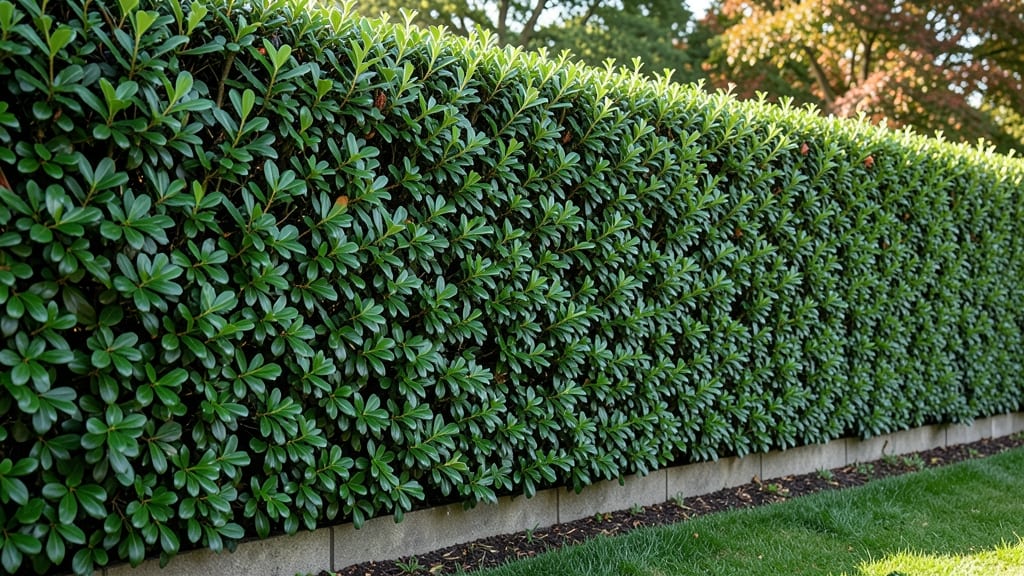
Tired of hedges that demand constant pruning? A strawberry tree wall delivers a formal, polished look with almost no effort after the initial setup. Unlike traditional hedges, these trees thrive when sheared into clean, vertical shapes—ideal for modern gardens where structure meets simplicity.
Once established, your strawberry tree wall only needs light trimming once or twice a year to maintain its crisp edges. Plant them 18-24 inches apart for dense growth, and use sharp shears in late winter or early spring to shape them. The exfoliating bark adds seasonal interest, while the evergreen foliage ensures year-round appeal without the upkeep of flowering plants.
This design is perfect for urban gardeners or busy homeowners who want a refined landscape without the maintenance. Just imagine a French-inspired garden wall that requires less effort than mowing the lawn. ✨
Pollinator-Focused Strawberry Tree Hedge
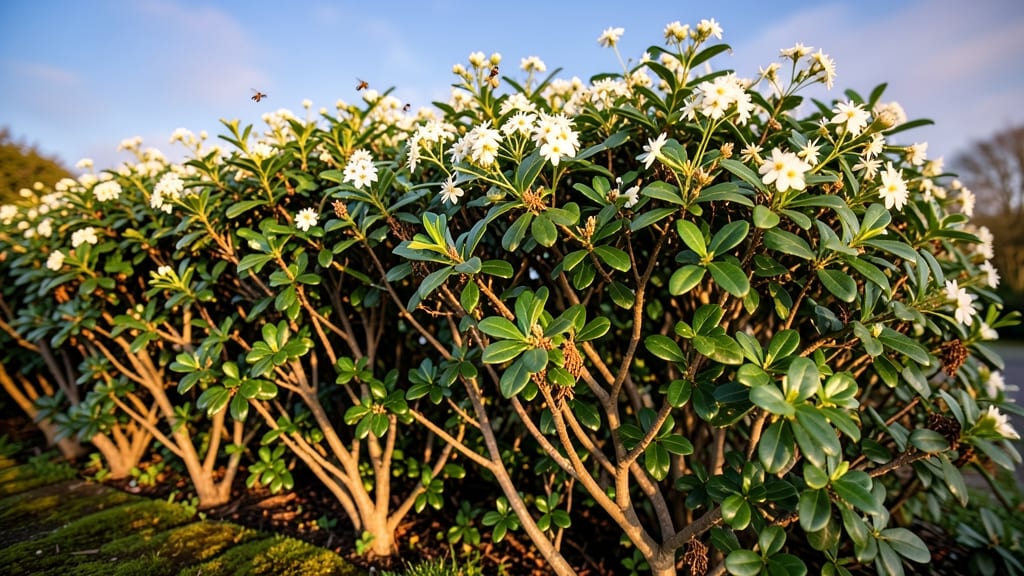
Turn your hedge into a buzzing hub for pollinators with a pollinator-focused strawberry tree hedge! By strategically pruning, you can create a year-round food source for bees, hoverflies, and butterflies while keeping your garden thriving.
Start by pruning in late winter to remove overgrown branches and open up the hedge’s center. This exposes more pink bell flowers—a favorite of pollinators—while allowing sunlight to reach lower branches. For staggered blooms, delay pruning a few branches until spring, ensuring flowers appear at different times. Avoid heavy shearing, as pollinators rely on accessible nectar sources.
This approach is perfect for eco-conscious gardeners who want to support local wildlife while enjoying a beautiful, low-maintenance hedge. Your garden will become a haven for pollinators! 🌻
Winter Interest Strawberry Tree Screen

When winter strips most gardens bare, your strawberry tree hedge becomes a stunning focal point with its exfoliating bark and glossy evergreen leaves. Unlike other hedges that fade into the background, this screen transforms your landscape into a winter wonderland with natural texture and color.
To achieve this look, prune in late winter or early spring to remove any dead or crossing branches while leaving the distinctive peeling bark exposed. Space plants 6-8 feet apart for a dense screen that maintains airflow and prevents disease. The persistent foliage ensures year-round privacy, while the bark’s warm hues provide visual warmth during cold months.
This design is perfect for gardeners who want low-maintenance beauty without sacrificing winter interest. The natural elegance requires minimal effort but delivers maximum impact. ✨