
Flowers
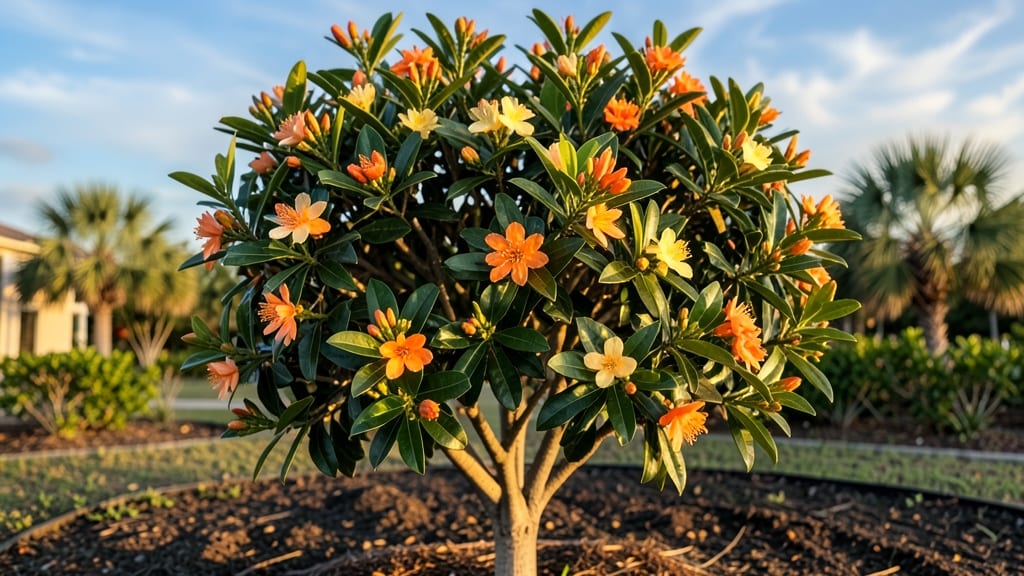
South Florida’s year-round sunshine deserves a tree that blooms orange fire from spring through winter. 🌺 The royal poinciana (Delonix regia) stands out with its vibrant, flame-like flowers that turn streets into sunlit canvases—its deep roots and drought tolerance make it a perfect fit for our humid subtropical climate.
This tree thrives in full sun and well-drained soil, reaching 30 to 50 feet with a broad canopy that provides shade while keeping your landscape bold. Unlike many tropical trees, it’s surprisingly low-maintenance: minimal pruning (just remove dead branches) and occasional deep watering keep it flourishing.
Its striking foliage and seasonal blooms also attract hummingbirds and butterflies, adding life to your garden.
For a showstopping focal point, plant it near driveways or patios where its brilliance will be seen year-round. Pair it with palmetto palms or firebush (Hamelia patens) to create a cohesive, sun-loving display.
The royal poinciana’s bold presence elevates curb appeal while requiring less fuss than you’d expect.
If you’re concerned about space, consider the smaller orange jessamine (Tecoma stans), a native vine with clusters of tubular orange flowers that thrive in containers or trellises. Both options bring year-round color without the high upkeep of less-adapted plants.
📚 In This Guide
- What you need
- Instructions
- Tips and common mistakes
- Wrapping up and next steps
What you need
- ● Tree sapling or bare-root plant: Choose a Tabebuia or Delonix variety from a local nursery (1-3 years old, 3-6 ft tall).
- ● Well-draining soil mix: 60% native South Florida soil + 30% compost + 10% perlite or sand (for aeration). Pro tip: 🌡️ Test soil pH (ideal: 6.0–7.5).
- ● Organic mulch: 2–3 inches of pine bark or wood chips (preserves moisture and deters weeds).
- ● Slow-release fertilizer: 10-10-10 or citrus-specific blend (apply at planting and again in spring).
- ● Drip irrigation system or soaker hose: For consistent watering (critical in Florida’s heat!).
- ● Shovel or trowel: For digging planting holes (1.5x wider than root ball).
- ● Garden gloves: Heavy-duty (to protect against thorns or rough bark).
- ● Pruning shears: Sharp, sterilized (for shaping and post-planting trimming).
- ○ Stakes & tree ties (optional): If planting in windy areas (use biodegradable ties!).
- ○ Misting spray bottle (optional): For young seedlings in hot spells.
- ● Sunlight: Full sun (6+ hours daily)—these trees thrive in South Florida’s intense light!
- ● Spacious planting site: Minimum 20 ft diameter (Royal Poinciana) or 15 ft (Tabebuia) for mature growth.
- ● Drought tolerance prep: Mulch and deep watering (1–2 inches per week) during establishment.
- ● Patience: Orange blooms may take 2–5 years to appear (worth the wait! 🌺).
How to Plant and care for a South Florida tree with vibrant orange blooms
Here’s how to create a dazzling, low-maintenance focal point that thrives in Florida’s heat and humidity.
🌱 Step 1: Select the Right Tree for Your Climate
For South Florida’s year-round growing conditions, the Firecracker Plant (Russelia equisetiformis) or Royal Poinciana (Delonix regia) are top choices. Both deliver bright orange flowers and handle full sun and humidity like champions. Firecracker Plant stays compact (6–10 feet), perfect for small yards, while Royal Poinciana grows taller (30–50 feet) for bold statement landscapes.
Check your space: Firecracker thrives in containers or garden beds, while Royal Poinciana needs open ground. Avoid planting near sidewalks—its roots spread aggressively. I always verify soil drainage first; these trees hate soggy roots. Amend heavy clay with 2–3 inches of compost before planting.
☀️ Step 2: Plant in Well-Draining Soil with Full Sun Exposure
Dig a hole twice as wide as the root ball but no deeper—planting too deep suffocates roots. Loosen the sides of the hole with a shovel to encourage root spread. For Firecracker Plant, mix 1 part native sand with the existing soil to improve drainage; Royal Poinciana tolerates native soil but still needs well-draining conditions.
Place the tree so the top of the root ball sits level with the ground—never buried. Backfill with native soil, tamp gently, and create a watering basin 2–3 inches deep around the base. Water deeply until moisture reaches 12 inches down. You’ll know it’s right when water pools briefly but drains within 15–20 minutes.
💧 Step 3: Water Deeply but Infrequently After Establishment
For the first 2 weeks, water every 2–3 days to help roots establish. After that, shift to deep watering once a week—or less in monsoon season. These trees drought-tolerant once established, but orange blooms fade if stressed. Look for wilting leaves or dropping flowers as signs of underwatering.
Mulch with 2–3 inches of wood chips (keep mulch 6 inches away from the trunk) to retain moisture and regulate soil temperature. Avoid over-mulching—too much suffocates roots. Fertilize lightly in spring and summer with a balanced 6-6-6 formula—too much nitrogen reduces flowering.
✂️ Step 4: Prune for Shape and Health in Late Winter
Prune Royal Poinciana in late winter (January–February) before new growth starts. Remove dead, crossing, or weak branches first, then shape the canopy. Firecracker Plant benefits from light pruning after flowering to encourage bushier growth. Never prune more than 25% of the canopy at once—these trees bloom on old wood, so aggressive cuts reduce next year’s flowers.
Sanitize pruners with rubbing alcohol between cuts to prevent disease. Watch for aphids or scale on new growth—spray with neem oil if you spot sticky residue on leaves. Deadhead spent blooms regularly to encourage continuous flowering, especially with Firecracker Plant.
🌿 Step 5: Protect from Frost and Monitor for Pests
South Florida rarely sees frost, but if temperatures dip below 35°F, cover young trees with frost cloth. Royal Poinciana is semi-deciduous—it may drop leaves in cold snaps but rebounds quickly. Firecracker Plant is evergreen and handles cold better but still prefers consistent warmth.
Watch for canker disease (sunken, oozing spots on branches) or root rot (yellowing leaves despite watering). If you see blackened stems, prune infected areas immediately and treat with copper fungicide. Healthy trees bloom continuously—if flowers stop, check for overwatering, poor drainage, or nutrient deficiencies.
Tips & tricks for perfecting your South Florida orange-blooming trees
These insights will help you transform your landscape into a vibrant, low-maintenance showstopper that thrives in Florida’s unique climate.
Soil Preparation: Before planting, test your soil’s drainage by digging a hole and filling it with water. If it drains slower than 15-20 minutes, you’ll need to add more sand or organic matter. For Firecracker Plants specifically, I’ve found that mixing 1 part native sand with existing soil creates the perfect balance—this prevents root rot while maintaining moisture retention during our dry seasons. The 2-3 inches of compost mentioned in Step 1 should be worked into the bottom of the hole, not just the sides, to give roots immediate access to nutrients.
Watering Wisdom: The 2-3 inches deep watering basin around your tree’s base is your secret weapon against Florida’s unpredictable rains. After the initial 2-week watering schedule, I recommend checking soil moisture by inserting a screwdriver 3 inches deep—if it comes out clean, wait another day before watering. This method prevents both underwatering and the dreaded root rot that plagues so many tropical plants. For Royal Poinciana, which has deeper roots, you might need to dig slightly deeper when checking.
Pruning Precision: When pruning in late winter, focus on removing branches that cross or grow inward—they create weak points where pests and diseases can enter. I’ve learned the hard way that cutting more than 25% of the canopy at once can shock these trees into dropping their spectacular orange blooms. For Firecracker Plants, which bloom continuously, I recommend light pruning after each flowering cycle to maintain that lush, cascading look without sacrificing next season’s flowers. Always use sterilized tools to prevent spreading canker disease, which can turn vibrant foliage into a sad, blackened mess in weeks.
Fertilizer Strategy: That 6-6-6 balanced formula is perfect, but timing matters more than you’d think. I apply it in early spring just as new growth begins, then again in late summer after the first flush of blooms. Too much nitrogen in summer can actually reduce flowering—your tree will focus on leaf growth instead of those stunning orange blooms. For established trees, I’ve found that a light application every 6 weeks during growing season keeps them thriving without overloading the system.
Pro Tips for South Florida Tree With Orange Flowers
- These insights will help you transform your landscape into a vibrant, low-maintenance showstopper that thrives in Florida’s unique climate.
- Soil Preparation: Before planting, test your soil’s drainage by digging a hole and filling it with water.
- Watering Wisdom: The 2-3 inches deep watering basin around your tree’s base is your secret weapon against Florida’s unpredictable rains.
Frequently asked questions
What’s the best time to plant a tree with orange flowers in South Florida?
Plant your tree during South Florida’s mild seasons—either late winter (February–March) or early fall (September–October). Avoid extreme heat or hurricane season (June–October) to give roots time to establish before stress. Pro tip: Water deeply for the first 3 months to help it thrive!
Are orange-flowering trees drought-tolerant once established?
Most South Florida natives like Royal Poinciana or Tabebuia trees are moderately drought-tolerant after 1–2 years, but they still need regular watering (every 1–2 weeks) during dry spells. Mulch around the base to retain moisture and reduce evaporation. Watch for: Wilting leaves or brown edges = time to water!
Do these trees attract bees or pests? How do I protect them?
Orange-flowering trees love pollinators (bees, butterflies), but they’re generally pest-resistant! If you spot aphids or scale insects, spray with soapy water or use neem oil. For hummingbirds, plant near feeders—they’ll adore your tree! Fun fact: Poincianas bloom heaviest in spring, drawing even more wildlife.
What’s a low-maintenance alternative if I want orange flowers but less upkeep?
Try Firebush (Hamelia patens)—a shrub with bright orange-red flowers that thrives in South Florida’s heat and humidity. It’s drought-resistant, attracts hummingbirds, and blooms year-round with minimal pruning. Bonus: It’s also a great native plant for pollinators!
My tree’s leaves are yellowing—what’s wrong?
Yellow leaves usually mean overwatering, nutrient deficiency, or root stress. Check the soil—it should be slightly moist but not soggy. If the tree’s in full sun but leaves are pale, it might need fertilizer (use a slow-release, citrus-friendly blend). Quick fix: Aerate compacted soil around the base to improve drainage.
Can I grow these trees in containers for small yards or patios?
Smaller orange-flowering options like Dwarf Royal Poinciana or Mexican Flame Vine (Pentagonia maculata) work well in large containers (15+ gallons). Use well-draining soil and repot every 2–3 years. Warning: Container trees need more frequent watering—don’t let them dry out completely!
Still stumped?
Drop your question in the comments—we’re happy to help your South Florida landscape bloom brighter!
Wrapping up and next steps
Transforming your South Florida landscape with a striking tree boasting vibrant orange flowers isn’t just about aesthetics—it’s about embracing the region’s natural beauty while adding a pop of color year-round.
Whether you’ve chosen the fiery Royal Poinciana or another bold bloomer, your effort will create a sun-drenched canopy that turns heads and invites wildlife. 🌺
Now that you’re armed with the know-how, take the next step: sketch a quick design or mark your planting spot! Visit a local nursery to pick your tree, and don’t forget to share your progress—we’d love to see your sunshine spectacle come to life. Happy planting! 🌿