
Pruning
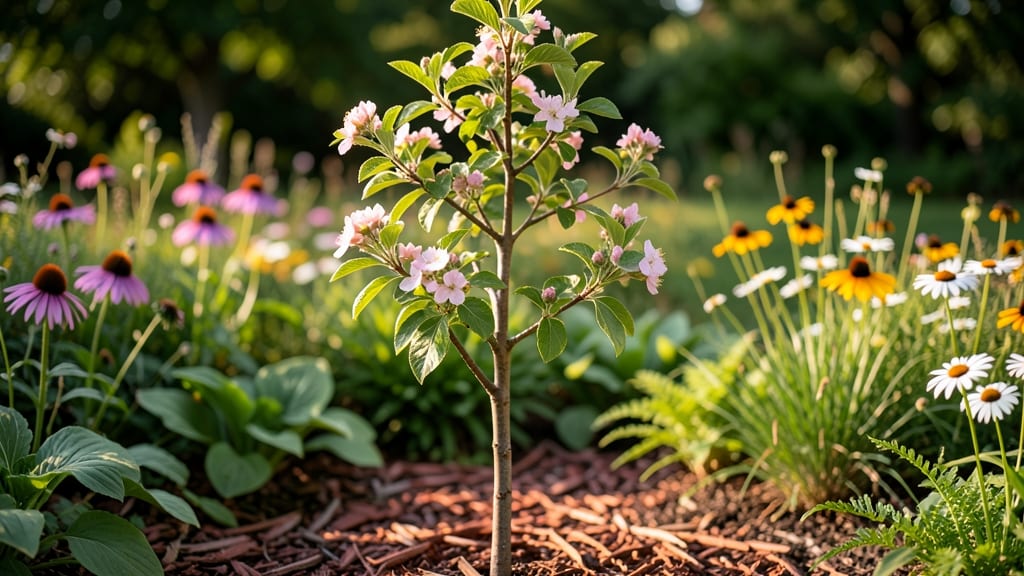
Planting a crabapple tree sapling means years of fragrant blooms and seasonal interest—if you do it right. 🌸 I learned the hard way that skipping soil prep or choosing the wrong spot turns a $30 sapling into a $30 lesson in patience.
The secret to healthy growth starts before you even dig the hole.
First, pick a sunny spot with well-draining soil—crabapples hate soggy roots. Amend heavy clay with compost or sand, and avoid low areas where water pools. Mulch around the base (but not touching the trunk) to lock in moisture and keep weeds at bay.
Water deeply twice a week for the first month, then taper to once a week unless it's scorching hot.
Pruning young saplings might seem counterintuitive, but removing crossing branches now prevents weak crotches later. Aim for an open center so sunlight reaches all sides. By spring, you'll see fresh green leaves and maybe even your first blossoms—proof you're on the right track.
Ornamental varieties focus on flowers and fall color, while fruit-bearing types need extra thinning to develop larger apples. Either way, patience pays off: a well-cared-for crabapple can live for decades, becoming the centerpiece of your landscape. Here's how to set yours up for success.
📚 In This Guide
- What you need
- Instructions
- Tips and common mistakes
- Wrapping up and next steps
What you need
- ● Crabapple tree sapling: Choose a healthy, disease-resistant variety (e.g., 'Dolgo' or 'Adirondack') from a reputable nursery.
- ● Garden gloves: A pair of durable, breathable gloves (e.g., Fellex or Workrite) to protect your hands from thorns and sap.
- ● Pruning shears: Bypass pruners (e.g., Felco F-2) for clean cuts; ensure blades are sharp.
- ● Loppers: For thicker branches (1–2 inches in diameter), opt for bypass loppers with a 20–24-inch reach.
- ● Hand saw: A pruning saw (e.g., Fiskars) for branches too thick for loppers (2+ inches).
- ● Disinfectant: 70% isopropyl alcohol or a pruning sealant (e.g., Tanglefoot Tree Wound Pruning Seal) to prevent disease.
- ● Mulch: 2–3 inches of organic mulch (wood chips, shredded bark) to retain moisture and suppress weeds.
- ● Watering can or hose: With a gentle spray nozzle to avoid damaging young roots.
- ○ Staking kit (optional): If planting in windy areas, use 3–4 wooden stakes and soft tree ties (e.g., Tree Tyer).
- ○ Fertilizer (optional): Slow-release balanced fertilizer (10-10-10 or compost) for established saplings (avoid over-fertilizing young trees!).
- ● Location: Pick a spot with full sun (6+ hours/day) and well-draining soil (pH 5.5–7.0). Avoid low areas where water pools.
- ● Timing: Plant in early spring or fall (avoid extreme heat or frost). Prune dormant branches in late winter/early spring.
- ● Safety: Wear eye protection (safety glasses) if working near overhead branches.
- ● Knowledge: Familiarize yourself with basic pruning techniques (e.g., thinning cuts, heading back) to avoid over-pruning.
Step-by-step instructions for planting and caring for a crabapple sapling
Here's how to get your new crabapple tree off to a strong start—it's easier than you think.
🌱 Step 1: Choose the Right Planting Location
Crabapple trees thrive in full sun—at least 6 hours daily—so scout your yard for the sunniest spot with good airflow. Avoid low areas where water pools after rain, as soggy roots lead to rot. I always check the soil pH with a simple test kit; crabapples prefer 6.0-7.0.
Dig a hole twice as wide as the root ball but only as deep. The top of the root ball should sit 2-3 inches above ground level—this prevents water from pooling around the trunk. Loosen the roots gently if they're circling the root ball; you'll see them fan out naturally when planted.
💧 Step 2: Plant and Water Thoroughly
Place your sapling in the hole and backfill with the original soil, tamping lightly every 4-6 inches to remove air pockets. Water deeply right after planting—this settles the soil and eliminates gaps. You'll know it's enough when water drains freely from the bottom of the hole.
Add a 2-3 inch layer of mulch around the base (but not touching the trunk) to retain moisture and regulate soil temperature. I use shredded bark mulch because it breaks down slowly. Water again after mulching to help it settle against the soil.
☀️ Step 3: Provide Consistent Care Through the First Year
Water your sapling once a week during the first growing season, but check the soil first—stick your finger 2 inches down. If it feels dry, water deeply until moisture reaches 6 inches down. Overwatering is the biggest mistake; yellowing leaves usually mean too much moisture.
Fertilize lightly in spring with a balanced 10-10-10 formula (follow package rates for young trees). Avoid heavy feeding—they need to establish roots first. Prune only to remove dead or crossing branches; never prune more than 25% of the canopy in the first year.
✂️ Step 4: Winterize for Year-Round Health
Before the first frost, water your sapling deeply—this helps roots absorb moisture before the ground freezes. Wrap the trunk with tree guard or burlap to protect it from rodents and winter sun scorch. I always leave the mulch in place through winter; it insulates roots and prevents temperature swings.
In late winter, check for signs of winter burn (brown edges on leaves) and prune any damaged branches. Once buds swell in early spring, resume regular watering. Crabapples bloom best when they're healthy and well-established—this care routine ensures they'll reward you with stunning flowers for decades.
Tips & tricks for perfect crabapple tree sapling care
Here's what nobody tells you about keeping your young crabapple thriving year after year.
Sunlight Secret: That 6 hours of daily sun is non-negotiable for vibrant blooms. I've seen crabapples in partial shade grow, but their flowers become sparse and weak. If your yard doesn't have ideal sunlight, consider planting near a south-facing wall or fence that reflects sunlight. The top of the root ball should always stay exposed to light—don't bury it too deep!
Soil Prep Pro Tip: Before planting, mix a handful of compost into the bottom of the hole. This gives your sapling an instant nutrient boost as roots establish. The 2-3 inch mulch layer is crucial—it's not just decoration. I use shredded bark because it breaks down slowly, providing steady organic matter to the soil. Just remember to keep it 2-3 inches away from the trunk to prevent rot.
Watering Wisdom: The once-a-week watering guideline assumes average conditions. Check that 2-inch soil test regularly—dry spells mean more frequent watering, while rainy weeks mean you can skip. When you water, aim for that 6-inch deep saturation. A soaker hose works best as it delivers water slowly without disturbing the soil surface where roots form.
Winter Survival Strategy: That deep watering before frost is your tree's lifeline. Roots continue absorbing moisture until the ground freezes completely. I've seen saplings survive harsh winters with this one simple step. The tree guard or burlap wrap prevents temperature swings that cause bark damage. Leave the mulch in place—it's like a cozy blanket for your tree's roots during winter.
Pro Tips for Crabapple Tree Sapling
- Here's what nobody tells you about keeping your young crabapple thriving year after year.
- Sunlight Secret: That 6 hours of daily sun is non-negotiable for vibrant blooms.
- Soil Prep Pro Tip: Before planting, mix a handful of compost into the bottom of the hole.
Frequently asked questions
Got questions about nurturing your crabapple tree sapling? You’re not alone! Here are some of the most common concerns—plus quick, actionable answers to keep your young tree thriving.
When is the best time to plant a crabapple sapling?
Plant your sapling in early spring or fall when soil temperatures are mild (50–70°F). Avoid extreme heat or frost, as these can stress young roots. If planting in summer, water deeply and mulch to retain moisture.
Should I prune my crabapple sapling right after planting?
No—wait until late winter or early spring (just before buds swell). Prune only to remove dead branches or shape lightly. Over-pruning can weaken the sapling. Use clean, sharp shears and seal larger cuts with pruning sealant.
How often should I water a young crabapple tree?
Water deeply 1–2 times per week for the first year, ensuring soil stays moist (not soggy). After that, water weekly during dry spells. Mulch around the base (2–3 inches deep) to lock in moisture and suppress weeds.
What pests or diseases should I watch for in a crabapple sapling?
Common issues include aphids, scale insects, and fire blight. Inspect leaves regularly for sticky residue (aphids) or blackened branches (fire blight). Treat with neem oil for pests or prune infected branches immediately. Keep the area clean to prevent fungal spread.
Can I grow a crabapple tree in a container?
Yes, but choose a large pot (at least 15–20 gallons) with drainage holes. Use well-draining soil and repot every 2–3 years. Note: Container-grown crabapples may have limited root space, so expect slower growth and smaller blooms than in-ground trees.
Wrapping up and next steps
Growing a thriving crabapple tree sapling is a rewarding journey that combines patience, knowledge, and a little extra love! 🌱 With the right pruning techniques, seasonal care, and a watchful eye for pests, your sapling will flourish into a stunning tree with vibrant blooms and lush foliage.
Remember, consistency is key—whether you're shaping its branches or protecting it from winter chills.
Now that you’re armed with the essentials, roll up your sleeves and get started! Grab your pruners, mark your calendar for seasonal tasks, and enjoy the satisfaction of nurturing a tree that will bring beauty to your landscape for years to come. Happy gardening! 🌸