
Trees
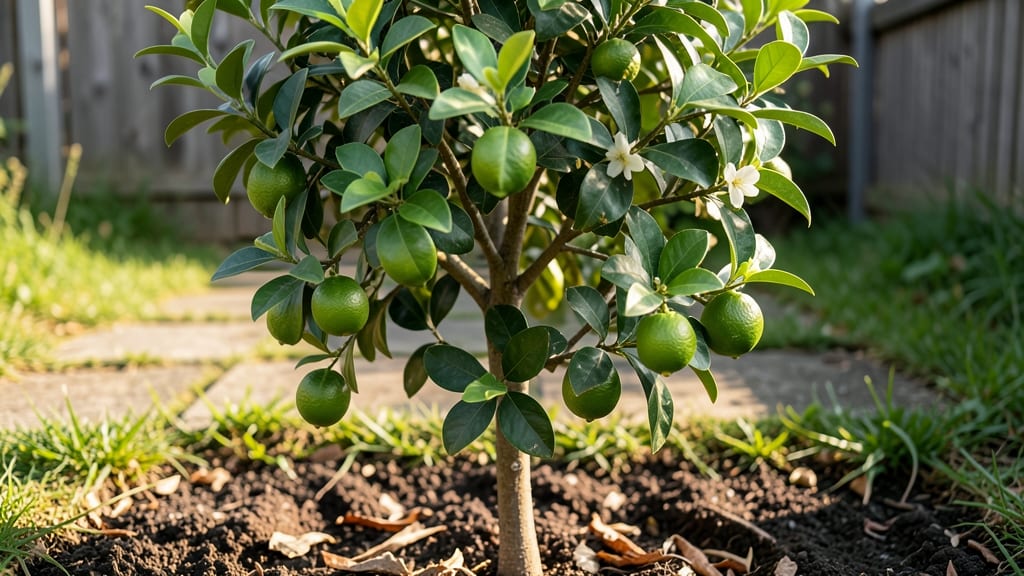
Your sitaphal tree leaves hold more than just culinary magic—they’re the secret to vibrant growth and delicious harvests. 🌿 I’ve spent years troubleshooting leaf issues that turn lush canopies into yellowing messes, and I’m sharing the exact steps to keep yours thriving.
The key starts with spotting problems early: check for crispy edges (underwatering), black spots (fungal infections), or sticky residue (pests). A simple neem oil spray or copper-based fungicide can fix most issues before they spread. For wilting, adjust watering—these tropical trees hate soggy roots but also dry spells.
Preserve the leaves for later by drying them in the shade or freezing them in bags. Use them in curries, teas, or even as a natural fertilizer tea for other plants.
The secret to long-term success? Regular pruning to improve airflow and a balanced fertilizer routine. Your sitaphal leaves will stay green, healthy, and ready for harvest season after season.
📚 In This Guide
- What you need
- Instructions
- Tips and common mistakes
- Wrapping up and next steps
What you need
- ● Fresh sitaphal leaves: Harvest mature, healthy leaves (avoid yellowing or pest-damaged ones). Aim for 10-15 medium-sized leaves per batch (adjust based on your recipe).
- ● Sharp pruning shears or scissors: 1 pair (sterilized with rubbing alcohol for hygiene).
- ● Clean, breathable cloth or paper towels: For wiping leaves post-harvest.
- ● Air-tight containers: Glass jars or food-grade plastic bags (preferably quart-sized for drying batches).
- ● Drying rack or mesh screen: A flat, elevated surface (like a cooling rack or a wooden frame) for airflow.
- ○ Food dehydrator or oven: Optional but recommended for even drying. If using an oven, set to 175°F (80°C) or lower.
- ○ Mortar and pestle: For grinding dried leaves into powder (optional but handy for teas/pastes).
- ● Fine-mesh sieve: To sift powdered leaves for smooth consistency.
- ○ Vacuum sealer (optional): Extends shelf life of dried leaves by up to 1 year if stored properly.
- ● Labeling supplies: Masking tape + marker to label containers with harvest date.
- ● Identify the tree correctly: Confirm it’s a sitaphal (Annona squamosa) tree—consult a local botanist or use a plant ID app if unsure! Never consume unidentified leaves.
- ● Harvesting time: Best in morning or late afternoon (avoid midday heat to preserve moisture).
- ○ Gloves (optional): Latex or nitrile gloves if you have sensitive skin.
- ● Allergy test: Do a patch test—apply a small amount of powdered leaf to your skin/wrist to check for reactions.
Step-by-step instructions for harvesting and preserving sitaphal tree leaves
Here's how to gather and preserve these fragrant leaves for cooking—simple, effective, and foolproof.
🌿 Step 1: Identify and Select Healthy Leaves
Sitaphal (or custard apple) tree leaves should be vibrant green and free of yellowing or brown spots. I always harvest from the outer branches first, where the leaves are mature but still tender. Avoid leaves near the trunk—they're tougher and less flavorful. Pick leaves in the morning when their essential oils are at peak potency and the air is cool.
Gently twist the leaf stem to detach it cleanly from the branch. If you pull too hard, you risk damaging the branch. You'll know you've picked the right leaves when they release a fresh, citrusy aroma—that's the sign of quality. Collect about 4-5 leaves per branch to avoid over-harvesting, and always leave some foliage behind so the tree can continue photosynthesizing.
💧 Step 2: Clean and Prepare the Leaves
Rinse the leaves under cool running water to remove dust, insects, or sap. I use a soft brush to gently scrub the undersides where dirt often hides. Lay them flat on a clean towel and pat them dry with another towel—never wring them, as this bruises the leaves and speeds up spoilage. Spread them out in a single layer to air-dry completely, which takes about 2-3 hours in warm, dry conditions.
While drying, check for any discolored or wilted leaves—discard those immediately. The leaves are ready when they feel crisp to the touch and no longer bend easily. This step is crucial: damp leaves won’t store well and may develop mold. If you're short on time, you can speed up drying by placing the leaves in a dehydrator at 120°F for 1-2 hours—just monitor them closely to avoid over-drying.
✂️ Step 3: Choose Your Preservation Method
For short-term use (up to 2 weeks), store the dried leaves in an airtight container like a glass jar. Place a paper towel inside to absorb any moisture. Keep the container in a cool, dark place—like a pantry or cupboard—away from direct sunlight, which degrades the flavor. Label the jar with the date so you can track freshness.
For long-term storage (up to 6 months), you can also freeze the leaves. Chop them finely and place them in ice cube trays, then cover with a little water or oil to preserve their flavor. Once frozen, transfer the cubes to a ziplock bag and store in the freezer. This method locks in the leaves' aroma and makes them easy to measure out for recipes. I prefer freezing because the leaves retain their vibrant color and potency longer.
🌱 Step 4: Use or Store Properly for Culinary Success
When using dried sitaphal leaves in cooking, rehydrate them first by steeping in warm water for 5-10 minutes before adding to dishes. This restores their texture and releases their aromatic oils. For example, add them to curries, soups, or stir-fries in the last 10 minutes of cooking to preserve their flavor. Start with 1-2 leaves per serving—they pack a strong, citrusy punch!
If you notice the leaves losing their aroma or turning brittle, it’s time to replace them. Properly stored leaves should retain their scent for at least 3 months. To test freshness, crush a small piece—if it smells faint or musty, discard it. Fresh leaves are your best bet for bold flavors, so harvest regularly if you plan to use them often in your kitchen.
Tips & tricks for perfect sitaphal tree leaf preservation
Harvesting and preserving these aromatic leaves takes just a few smart tricks to make the process effortless and effective.
Harvesting Timing: Always pick leaves in the morning when their citrusy aroma is strongest. I've found that harvesting just after sunrise gives the freshest flavor—this is when the leaves have absorbed the most dew and their essential oils are at peak concentration. Avoid harvesting after rain, as excess moisture can make drying more difficult and increase the risk of mold.
Drying Technique: The 2-3 hour air-drying time is perfect for preserving texture, but humidity can be your worst enemy. If your kitchen feels damp, prop open a window or use a small fan to create gentle airflow around the leaves. For the dehydrator method at 120°F, monitor closely after the first hour—some leaves may dry faster than others, especially the thinner ones. A food dehydrator gives more consistent results than an oven, which can create hot spots.
Storage Wisdom: When storing dried leaves, place a small piece of chalk or a silica gel packet in your airtight container to absorb any lingering moisture. This extra step prevents condensation that could cause mold. For long-term storage, I like to divide the leaves into smaller portions—this way, you only open the container when you need a small amount, keeping the rest perfectly preserved. Label each portion with the date to track freshness easily.
Freezing Hack: For the ice cube tray method, use a high-quality olive oil instead of water to preserve flavor. The oil creates a protective layer that locks in the leaves' aromatic compounds. Once frozen, these cubes can be added directly to cooking dishes without needing to thaw—just toss them straight into your simmering curry or soup. This method is especially useful if you plan to use the leaves frequently in small amounts.
Pro Tips for Sitaphal Tree Leaves
- Harvesting and preserving these aromatic leaves takes just a few smart tricks to make the process effortless and effective.
- Harvesting Timing: Always pick leaves in the morning when their citrusy aroma is strongest.
- Drying Technique: The 2-3 hour air-drying time is perfect for preserving texture, but humidity can be your worst enemy.
Frequently asked questions
Got questions about sitaphal tree leaves? You’re not alone! Here are some common queries—and straightforward answers—to help you navigate harvesting, preserving, and using these versatile leaves with confidence.
When is the best time to harvest sitaphal leaves?
The ideal time to harvest sitaphal (Custard Apple) leaves is during the dry season (late winter to early spring) or after the fruit-bearing cycle. Young, tender leaves (light green) are best for culinary uses, while mature leaves work well for preservation. Avoid harvesting during heavy rains to prevent mold or pests.
Can I use dried sitaphal leaves instead of fresh?
Dried leaves retain most of their flavor and aroma. Simply rehydrate them in warm water for 10–15 minutes before use in curries, teas, or soups. For teas, steep 1–2 dried leaves per cup of boiling water for 5 minutes. Pro tip: Store dried leaves in airtight containers away from sunlight to preserve potency.
What should I do if my sitaphal leaves turn yellow or wilt?
Yellowing or wilting can signal overharvesting or pest damage. If leaves are still firm but yellow, they’re past their prime—use them immediately in cooked dishes. For wilted leaves, trim damaged parts and soak in ice-cold water for 30 minutes to revive them. If pests (like aphids) are the issue, spray with neem oil or insecticidal soap.
Are sitaphal leaves safe to eat raw?
While cooked sitaphal leaves are safe and flavorful, raw leaves can be mildly irritating due to oxalates. To enjoy them raw, blanch in boiling water for 30 seconds first, then rinse in cold water. Use sparingly in salads or smoothies—pair with citrus (like lemon) to balance flavors and reduce bitterness.
How long do fresh sitaphal leaves stay fresh?
Fresh leaves last 5–7 days in the fridge, wrapped in a damp paper towel inside a plastic bag. For longer storage, blanch and freeze them in airtight containers for up to 6 months. Avoid washing before freezing—pat them dry first to prevent ice crystals. Pro tip: Label containers with the date to track freshness!
What’s a quick substitute if I can’t find sitaphal leaves?
If you’re craving the earthy, slightly sweet flavor of sitaphal leaves, try these substitutes:
- Pandan leaves (for a floral note in curries or desserts)
- Bay leaves (milder, but add depth to stews)
- Young spinach or amaranth leaves (for a fresh, green boost)
- Dried lemongrass (for a citrusy aroma in teas)
Wrapping up and next steps
The Sitaphal tree leaves offer a treasure trove of culinary potential—whether you're preserving them for later use or incorporating them into vibrant dishes. From proper harvesting techniques to creative storage methods, you now have the tools to make the most of this versatile ingredient. 🌿
Ready to elevate your cooking? Start by experimenting with a small batch of preserved leaves in your favorite recipes—think curries, teas, or even homemade wraps. The possibilities are as endless as your creativity!