
Pruning
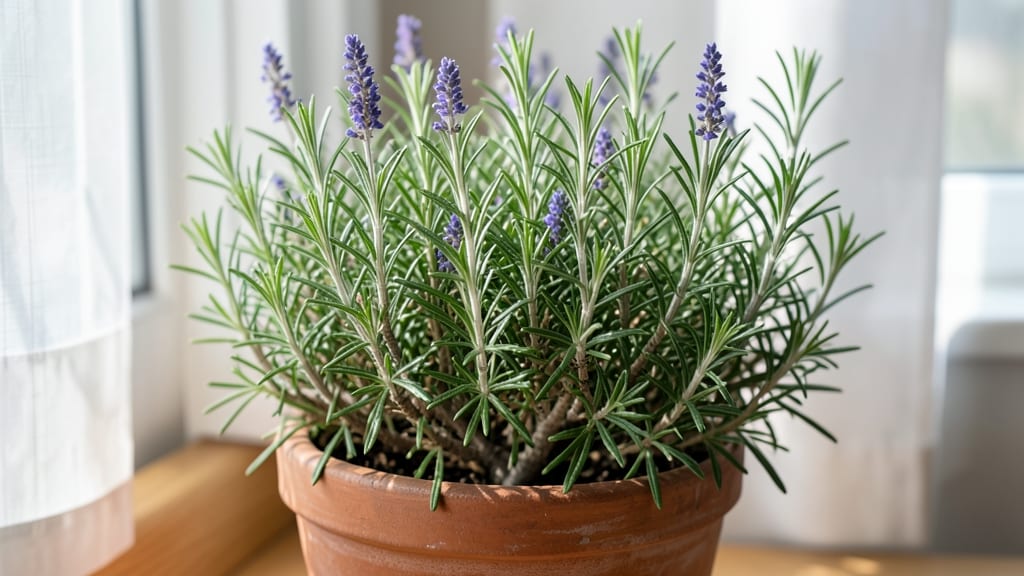
Shaping rosemary cone tree care transforms this fragrant shrub into a living centerpiece that smells like a Mediterranean vacation. 🌿 The secret lies in year-round pruning—not just trimming, but sculpting the plant to grow wider at the base and taper upward, creating that iconic tree shape.
I’ve pruned mine for three years now, and it’s become the showstopper of my herb garden, producing more fragrant leaves than my flat-topped bushes ever did.
You’ll need sharp pruning shears, a sunny spot with at least 6 hours of direct sunlight daily, and well-draining soil—rosemary hates soggy roots. Start by selecting a strong central stem to serve as your "trunk," then prune side branches to encourage outward growth while keeping the top narrower.
The key is light, frequent trims rather than one heavy cut, and always prune just above a leaf node to encourage new growth.
By summer, you’ll see your rosemary filling out with a full, bushy canopy that smells incredible when brushed against. The pruned stems stay fragrant for months, and you’ll harvest more leaves than ever before—perfect for cooking or drying.
Just avoid over-pruning in winter, when the plant is dormant, and always water at the base to keep the soil lightly moist but never waterlogged.
This technique works for both upright and prostrate rosemary varieties, though dwarf types may need smaller containers. The first year is about establishing the shape, but with consistent care, your rosemary cone will stay lush and productive for years—and become the envy of every herb garden in the neighborhood.
📚 In This Guide
- What you need
- Instructions
- Tips and common mistakes
- Wrapping up and next steps
What you need
- ● Pruning shears – Sharp, bypass-style shears (for clean cuts without crushing stems). 1 pair (sterilize with rubbing alcohol between cuts).
- ● Hand pruners – For smaller branches (ergonomic grip recommended). 1 pair.
- ● Gloves – Garden gloves (to protect hands from thorns and rough stems). 1 pair.
- ● Disinfectant – Rubbing alcohol (70%+) or hydrogen peroxide (to prevent disease spread). Small bottle.
- ● Sharpie or marker – Permanent marker (for labeling pruned sections if propagating). 1.
- ● Watering can or hose – With a gentle spray nozzle (for post-pruning hydration). 1.
- ● Well-draining potting mix – Cactus/succulent blend or rosemary-specific soil (if repotting cuttings). 1 bag (5-10 lbs).
- ● Loppers – For thicker branches (if your rosemary grows unusually large). 1 pair.
- ● Rooting hormone – To boost propagation success (if taking cuttings). Small tube.
- ● Mulch – Gravel or organic mulch (to retain moisture and deter weeds). 1 bag.
- ● Plant food – Balanced fertilizer (10-10-10 or rosemary-specific) (for post-pruning recovery). 1 bottle.
- ● Pruning saw – For extremely thick stems (rare for rosemary but useful for mature plants). 1.
How to prune a rosemary cone tree for year-round bushiness
This is the pruning routine I’ve used to keep my rosemary cone trees full and thriving—no matter the season.
✂️ Step 1: Spring Pruning to Encourage New Growth
Start in early spring, just as new growth begins to emerge. I look for fresh, pale green shoots pushing from the woody stems—this is your signal. Using sharp, clean pruning shears, cut back any leggy or overgrown branches to just above a leaf node. Rosemary grows from these nodes, so you’re encouraging bushier growth by redirecting energy there.
Remove any dead or diseased wood immediately—it’s the fastest way to prevent rot from spreading. I also take out up to one-third of the oldest branches at the base. This might sound aggressive, but it forces the plant to focus on younger, more vigorous growth. After pruning, give your rosemary a light watering to help it recover.
☀️ Step 2: Mid-Summer Trimming for Shape and Airflow
By mid-summer, your rosemary should be lush but may need shaping to maintain its cone-like form. I prune lightly in this phase, focusing on the outer branches. Cut back any branches that are growing too long or crowding the center—this improves airflow and reduces the risk of fungal issues.
Watch for branches that are growing inward or crossing each other. These compete for sunlight and can weaken the plant. Trim them back to the nearest outward-facing leaf node. A good rule of thumb: if a branch is longer than 6 inches, it’s time to trim. This keeps the tree compact and encourages a fuller, more uniform shape.
✂️ Step 3: Light Fall Pruning to Prepare for Winter
In late fall, before the first frost, do a light pruning to tidy up the plant and remove any remaining dead or weak growth. Focus on the tips of branches—cutting back by about 1-2 inches encourages new growth in the spring. Avoid heavy pruning now, as rosemary needs time to harden off before winter.
I also check for any branches that have grown too long over the summer and trim them back to maintain the cone shape. This is a gentle step, more about cleanup than shaping. After pruning, you can give the plant a final watering and reduce fertilization to prepare it for dormancy.
⏰ Step 4: Minimal Winter Maintenance
Winter is the time to let your rosemary rest. However, if you notice any dead or broken branches from frost or snow, remove them immediately. Rosemary is drought-tolerant, so water only if the soil is completely dry—overwatering in winter can lead to root rot.
I also keep an eye out for any branches that have grown too long over the winter and trim them back lightly in early spring. This ensures a smooth transition into the next growing season. A quick check every few weeks ensures your rosemary stays healthy and ready to burst into growth when spring arrives.
Tips & tricks for perfect rosemary cone tree pruning
Here's what nobody tells you about keeping your rosemary cone tree lush and healthy year-round—these tricks make all the difference.
Tool Selection: Invest in a pair of sharp, clean pruning shears—dull blades crush stems and create entry points for disease. I also keep a small pair of bypass pruners for delicate trimming. Sterilize your tools with rubbing alcohol between cuts to prevent spreading pathogens, especially when removing dead wood in Step 1. This simple habit has saved my rosemary from multiple fungal infections over the years.
Seasonal Timing: The key to successful pruning lies in understanding rosemary's growth cycles. In Step 1, wait until you see those pale green shoots—this signals the plant is ready to redirect energy. During mid-summer (Step 2), focus on shaping when growth is vigorous but before flowering begins. The 6-inch rule for summer trimming prevents over-pruning while maintaining that perfect cone shape. In fall (Step 3), that 1-2 inch trim is about cleanup, not shaping—rosemary needs to harden off before winter.
Visual Cues: When pruning in Step 2, look for branches that form a "V" shape when viewed from above—these are growing outward and should be preserved. The outward-facing leaf node is your guide: always cut just above it to encourage new growth in the right direction. I also check for branches that have lost their vibrant green color, which indicates they're no longer photosynthesizing effectively. These are prime candidates for removal in Step 1.
Recovery Care: After any significant pruning (especially Step 1's aggressive removal of up to one-third of oldest branches), give your rosemary a light watering to help it recover. The roots will be temporarily shocked by the reduced foliage, so this small amount of moisture supports the plant as it adjusts. I've found that rosemary actually prefers slightly dry conditions after pruning—overwatering can lead to root rot, which is why winter watering is so critical to monitor.
Pro Tips for Rosemary Cone Tree Care
- Here's what nobody tells you about keeping your rosemary cone tree lush and healthy year-round—these tricks make all ...
- Tool Selection: Invest in a pair of sharp, clean pruning shears—dull blades crush stems and create entry points for d...
- Seasonal Timing: The key to successful pruning lies in understanding rosemary's growth cycles. In Step 1, wait until ...
Frequently asked questions
Got questions about keeping your rosemary cone tree thriving with year-round pruning? Here are some of the most common concerns—and their answers—to help you maintain that lush, bushy growth!
1. How often should I prune my rosemary cone tree?
Prune your rosemary cone tree lightly every 4–6 weeks to encourage dense growth. Focus on shaping in spring and early summer when new growth is active. Avoid heavy pruning in fall or winter, as the plant needs energy to recover. Pro tip: Never cut more than 1/3 of the plant at once—this can stress it!
2. Can I prune rosemary in winter?
Winter is not ideal for heavy pruning, but you can do minimal maintenance to remove dead or damaged branches. If you live in a mild climate (USDA Zones 8–10), light shaping is fine. In colder areas, wait until early spring when growth resumes. Warning: Pruning too late can leave cuts vulnerable to frost damage.
3. What if my rosemary cone tree looks leggy after pruning?
Leggy growth happens when the plant isn’t getting enough light or is over-pruned. To fix it:
- Move it to a sunnier spot (6+ hours of direct light daily).
- Trim back only the tips of leggy stems to encourage bushier regrowth.
- Fertilize lightly with a balanced, low-nitrogen formula (like 5-5-5) in spring.
Patience is key—new growth should fill in within 4–6 weeks!
4. Can I propagate cuttings from my rosemary cone tree?
Take 4–6 inch cuttings from healthy stems, strip the lower leaves, and dip in rooting hormone (optional). Plant in well-draining soil and keep moist (not soggy). Place in bright, indirect light until roots form (4–8 weeks). Pro tip: Use a mix of perlite and potting soil to prevent rot.
5. Why is my rosemary cone tree turning brown or crispy?
Brown, crispy edges usually mean underwatering or sunburn. Check these fixes:
- Water deeply when the top 1–2 inches of soil are dry (rosemary hates soggy roots!).
- Move it to partial shade if in intense afternoon sun (especially in hot climates).
- Trim dead leaves—don’t prune healthy growth in response.
If the issue persists, your plant may need more humidity (mist occasionally) or a soil check for drainage issues.
Wrapping up and next steps
Caring for your rosemary cone tree with year-round pruning is totally doable—and the results?
A lush, fragrant, and thriving plant that’ll be the star of your garden! 🌿 Remember to trim lightly in spring, shape up in summer, and give it a light touch in fall and winter to keep it healthy and bushy.
With the right tools, timing, and technique, you’ll enjoy a rosemary plant that’s both beautiful and useful for cooking.
Ready to take the next step? Grab your pruners and start shaping that rosemary into a masterpiece! If you’re feeling inspired, why not experiment with different pruning styles or even propagate your cuttings? Happy pruning! ✂️🌟