
Pruning
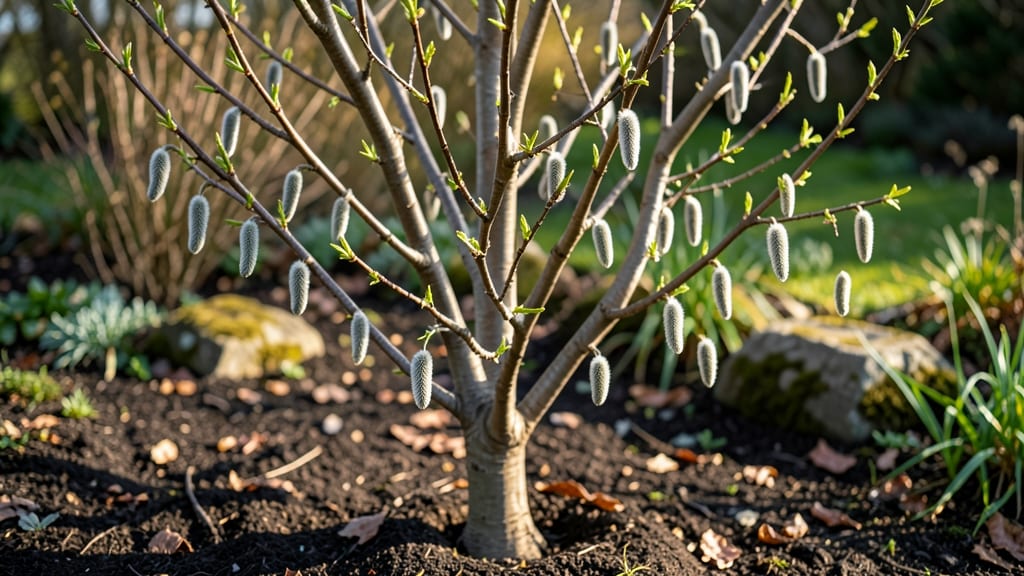
Caring for a pussy willow tree means waking up to soft, fuzzy catkins every spring—if you prune it right. 🌿 I’ve watched mine go from scraggly to showstopping in just three years, and the secret isn’t complicated: timing, technique, and a little seasonal TLC.
Most people overlook winter pruning, but that’s when you shape the tree for next year’s best blooms.
The key is working with nature’s rhythm: prune dormant branches in late winter before buds swell, and trim spent catkins in early spring. You’ll need sharp pruners, a ladder (for taller trees), and maybe a pair of gloves—those fuzzy catkins do itch.
Healthy pussy willows thrive in moist, well-drained soil and full sun to partial shade, but they’re tough enough to handle neglect if you get the pruning basics down.
By summer, you’ll see lush green foliage and those iconic fuzzy blooms that birds and pollinators adore. The tree’s natural shape emerges when you remove dead wood and encourage outward growth.
Even in urban settings, pussy willows adapt beautifully, making them perfect for yards, rain gardens, or as a statement piece near ponds.
Here’s the real game-changer: pruning in layers. Start with the big cuts in winter, then do light maintenance in spring and summer. Avoid heavy pruning after mid-summer—it stresses the tree and weakens next year’s blooms.
With this approach, my pussy willow now produces twice as many catkins as it did before I learned the right timing.
📚 In This Guide
- What you need
- Instructions
- Tips and common mistakes
- Wrapping up and next steps
What you need
- ● Pruning shears: Bypass pruners (sharp, clean, and disinfected with rubbing alcohol) for small branches (up to ½-inch thick).
- ● Loppers: For medium branches (½-inch to 2-inches thick). Opt for bypass-style loppers for precision cuts.
- ● Pruning saw: For thick branches (2+ inches). A bow saw or pruning saw with a fine-tooth blade works best.
- ● Gloves: Heavy-duty, cut-resistant gloves to protect your hands from thorns and rough bark.
- ● Disinfectant: 70% isopropyl alcohol or a pruning sealant (like Tanglefoot) to prevent disease spread.
- ● Rake or broom: To clear fallen debris after pruning.
- ○ Tree wound dressing (optional): Pruning paste (e.g., Tanglefoot Tree Wound Pruning Seal) for large cuts—controversial but useful for some!
- ● Safety gear: Safety glasses (to shield from debris) and long sleeves/pants (for protection).
- ● Weather check: Prune on a dry, calm day (avoid rain or wind).
- ● Ladder or step stool: For reaching higher branches—ensure it’s stable and tall enough.
- ● Trash bags: For collecting pruned branches and debris.
- ○ Notebook & pen (optional): To sketch your tree’s shape or note areas for future pruning.
Step-by-Step pruning guide for a thriving pussy willow tree
Here's how I keep my pussy willow lush and blooming year after year—no special tools needed.
✂️ Step 1: Prune Dead or Damaged Branches in Late Winter
Start your pruning in late winter (just before buds swell) when the tree is still dormant. Look for branches that are completely brown, cracked, or hollow—these won’t regrow and only drain energy from healthy growth. Use clean, sharp pruners to make cuts at a 45-degree angle just above a healthy bud or branch collar.
Real talk: If you see a branch that’s been dead for years but you’re hesitant to cut it, go ahead—dead wood doesn’t contribute to the tree’s health. Just don’t remove more than 25% of the tree’s canopy in one season, or you’ll stress it. I always prune on a dry day so the cuts heal faster.
✂️ Step 2: Thin Out Crowded Branches in Early Spring
Once new growth starts in early spring, focus on thinning rather than just cutting back. Remove branches that cross or rub against each other—these create weak points where disease can enter. Also, look for suckers (shoots growing from the base or trunk) and water sprouts (vertical shoots with no leaves). These compete for nutrients and should be pruned at the base.
Here’s the thing—pussy willows naturally grow in dense clusters, so thinning encourages stronger, larger catkins (those fuzzy blooms). Step back occasionally to visualize the tree’s shape. You’ll want an open center that lets light reach all branches. If a branch is too thick to cut with hand pruners, use a pruning saw for clean cuts.
☀️ Step 3: Lightly Shape the Tree Mid-Summer for Airflow
In mid-summer, give your pussy willow a quick check for any overly long or leggy branches that block sunlight from lower branches. These can be trimmed back by one-third to encourage bushier growth. Avoid heavy pruning now—you don’t want to stimulate new growth too close to fall, which can make the tree vulnerable to cold damage.
Watch for branches growing straight upward (called "dogwood leaders"). These are weak and prone to breaking in storms. If you see one, remove it entirely at the base. Prune on a mild, overcast day to reduce stress on the tree. A light watering after pruning helps the cuts heal faster.
✂️ Step 4: Clean Up Fallen Debris and Prune Lightly in Early Fall
As leaves fall in early fall, rake up any debris around the tree’s base—this prevents pests and diseases from overwintering. If you notice any diseased or pest-infested branches, remove them immediately and dispose of them in the trash (not your compost). Sterilize your pruners with rubbing alcohol between cuts to avoid spreading pathogens.
This is also the time to lightly prune any branches that grew too vigorously this season. You’re not shaping the tree now—just tidying up. Avoid heavy pruning after mid-September, as new growth won’t have time to harden off before winter. A final watering in late fall (if your area hasn’t had rain) helps the tree prepare for dormancy.
⏰ Step 5: Monitor and Maintain Year-Round
Throughout the year, keep an eye out for suction cups (where branches grow from the trunk) or weak, crossing branches. These can be pruned at any time, but always use sterilized tools and make clean cuts. If you notice yellowing leaves or stunted growth, it might signal over-pruning or nutrient deficiencies—adjust your approach next season.
I promise, once you get into a routine, pruning becomes second nature. The key is consistency—a little attention now means fewer problems later. And remember, pussy willows are forgiving. Even if you miss a season, they’ll bounce back with proper care.
Tips & tricks for healthy pussy willow tree pruning
These practical insights will help you maintain your pussy willow's health and beauty through every season.
Seasonal Timing is Everything: The late winter timing in Step 1 is crucial because dormant trees handle pruning best when they're not actively growing. I've seen pussy willows stressed by spring pruning—buds swell too quickly after cuts, leading to weak growth. Always check for bud swelling before pruning in late winter; if buds are already visible, wait a week or two. The 25% canopy limit prevents shock, but don't be afraid to remove that dead branch you've been putting off—it's not doing your tree any favors.
Tool Preparation Matters: Before you start pruning in Step 2, sterilize your tools with rubbing alcohol (as mentioned in Step 4). I learned this the hard way when a fungal infection spread through my tree after using the same pruners for multiple cuts without cleaning. For thicker branches, use a pruning saw—your hand pruners will thank you. And here's a pro move: mark your pruners with a permanent marker to identify which tree they belong to if you have multiple willows.
Visualizing the Tree's Shape: When thinning in Step 2, step back frequently to visualize the tree's structure. Pussy willows naturally grow dense, so aim for an open center that lets light reach all branches. Look for branches that cross or rub—these create entry points for disease. I use a simple trick: hold your arms out like a cross and imagine the tree's branches forming a natural "X" shape when viewed from above. This helps me visualize the ideal open center.
Mid-Summer Pruning Secrets: During the mid-summer shaping in Step 3, focus on removing only one-third of overly long branches. This encourages bushier growth without stressing the tree. Watch for those dogwood leaders—straight-up branches that look like they're reaching for the sky. These are weak points that break easily in storms. Remove them completely at the base, and you'll notice how much more stable your tree becomes during windy seasons. A light watering after pruning helps the cuts heal faster, so keep a hose handy.
Pro Tips for Pussy Willow Tree Care
- These practical insights will help you maintain your pussy willow's health and beauty through every season.
- Seasonal Timing is Everything: The late winter timing in Step 1 is crucial because dormant trees handle pruning best when they're not actively growing.
- Tool Preparation Matters: Before you start pruning in Step 2, sterilize your tools with rubbing alcohol (as mentioned in Step 4).
Frequently asked questions
Got questions about keeping your pussy willow tree thriving?
Here are answers to the most common concerns—from pruning timing to troubleshooting—so you can enjoy lush growth and those iconic fuzzy catkins year after year.
When is the best time to prune a pussy willow tree?
The ideal time to prune is late winter or early spring (before new growth starts). This mimics the tree’s natural dormancy and encourages healthy blooms. Avoid pruning in fall—it can stimulate tender growth that won’t survive winter. For minor shaping, you can also prune in summer, but avoid heavy cuts during the growing season.
Can I prune pussy willow trees in winter?
Yes! Winter pruning (December–February) is perfect for removing dead, diseased, or crossing branches. Just avoid extreme cold snaps (below 10°F/-12°C), as frozen wood can snap unpredictably. Wait until temperatures stabilize for cleaner cuts. Pro tip: Wear gloves—those fuzzy catkins can be itchy!
What if my pussy willow isn’t blooming?
Lack of blooms often stems from over-pruning or poor sunlight. Ensure your tree gets full sun (6+ hours/day) and prune lightly to maintain an open canopy. If it’s young (<3 years), be patient—mature trees (10+ years) bloom most reliably. Fertilize in early spring with a balanced 10-10-10 formula if soil is nutrient-poor.
How much can I trim back a pussy willow?
You can safely remove up to 25% of the tree’s foliage in one season, but avoid drastic cuts (like topping). For shaping, focus on removing dead wood, water sprouts, and weak branches. If you’re reviving an overgrown tree, spread pruning over 2–3 years to reduce stress. Never remove more than 1/3 of the canopy at once!
Are there alternatives to pussy willow for fuzzy catkins?
If pussy willows prove finicky, try these low-maintenance alternatives:
- Peach or Apricot Trees: Early spring blooms with fuzzy buds (edible fruit bonus!).
- Black Willow (Salix nigra): Fast-growing with soft, silvery catkins.
- Pussy Willow Hybrid (Salix discolor): Hardier and more disease-resistant.
- Ornamental Grasses: Like Miscanthus for texture (no pruning needed!).
Wrapping up and next steps
Caring for your pussy willow tree is all about patience, observation, and a little seasonal love! 🌿 With the right pruning techniques—whether it’s thinning, shaping, or rejuvenating—you’ll reward yourself with lush foliage, vibrant blooms, and a tree that thrives for years.
Remember, timing is everything, so stay attuned to its needs and don’t hesitate to adjust your approach.
Ready to give your pussy willow the TLC it deserves? Grab those pruners and start your next pruning session with confidence! For extra inspiration, explore seasonal pruning guides or share your progress with fellow gardening enthusiasts. Happy pruning! ✂️🌸