
Pruning
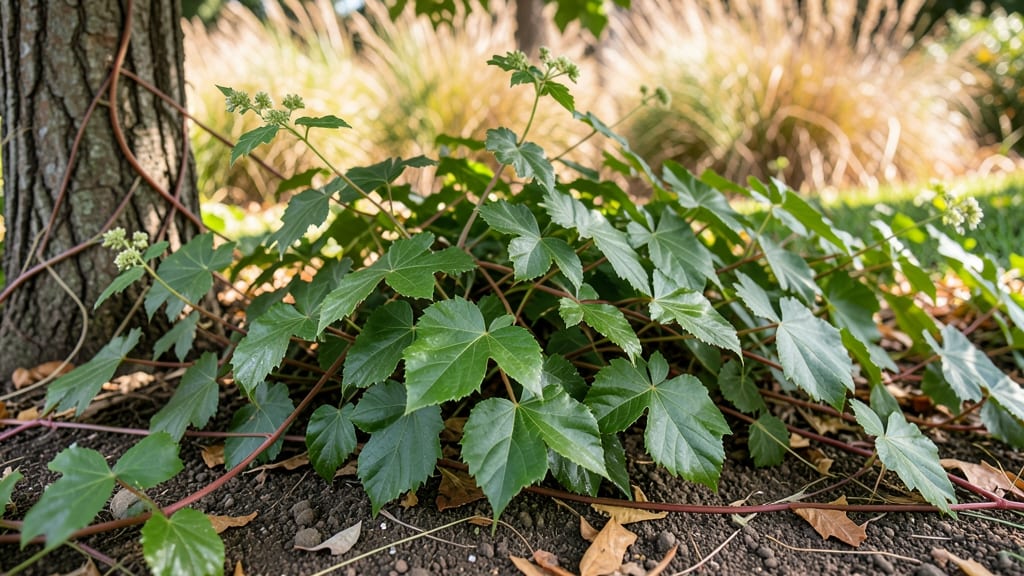
That itchy vine climbing your tree isn't just unsightly—it's poison ivy, and the longer it stays, the harder it becomes to remove. Identifying it correctly is your first line of defense, because one wrong cut could spread the rash to your skin or tools.
The three-leaflet pattern with smooth edges and glossy finish is the telltale sign, but it's easy to confuse with harmless vines like Virginia creeper or boxelder. Safety comes first: long sleeves, thick gloves, and protective eyewear are non-negotiable.
I learned that the hard way after a patch of poison ivy sent me to the ER—now I treat every removal like a chemical burn risk. The root system spreads aggressively, so you'll need to dig deep, often 6-12 inches below the surface, to prevent regrowth.
A putty knife or garden fork works best for stubborn roots. Once you've pulled every last piece, clean your tools with rubbing alcohol to avoid cross-contamination. The goal is complete eradication, not just cosmetic improvement. A follow-up inspection in 2-3 weeks ensures no sneaky regrowth has taken hold.
For trees with persistent infestations, consider professional help—they'll know when to call in herbicides like glyphosate for stubborn cases. If you'd rather avoid the battle, replace poison ivy with non-invasive vines like clematis or wisteria. They add beauty without the itch.
The key is acting fast—poison ivy doesn't play fair, and neither should you.
How Vines Invade Trees Naturally
Poison ivy thrives as a vine on trees because of its aggressive growth habits and clever survival strategies. Understanding these natural behaviors helps you combat it effectively. Here’s why it happens—and how to stop it.
Poison ivy (Toxicodendron radicans) is a woody vine that relies on trees for support, much like ivy or morning glories. Its success stems from three key adaptations:
- Aerial Roots & Tendrils: Unlike true vines (e.g., wisteria), poison ivy doesn’t coil around branches. Instead, it produces root-like structures that latch onto rough bark, crevices, or even smooth surfaces. These adventitious roots anchor the vine firmly, even in wind or storms.
- Fun fact: These roots can penetrate thin bark, smothering the host tree’s ability to absorb sunlight and water over time.
- Rapid Vertical Growth: Poison ivy grows 10–20 feet per year, outcompeting smaller plants. Its leaves grow in clusters of three (a dead giveaway), and each leaf contains urushiol oil, the irritant that causes allergic reactions in humans.
- Pro tip: 💡 If you see three shiny green leaves on a vine, assume it’s poison ivy—never touch it without protection.
- Seed & Stem Propagation: The vine spreads via:
- Seeds (from white berries, eaten by birds and dispersed in droppings).
- Stem fragments (even a tiny broken piece can root and grow into a new plant).
Trees don’t cause poison ivy to grow on them, but their environment makes them ideal hosts:
- Sunlight & Moisture: Most trees offer partial shade and humidity, which poison ivy loves. It avoids full sun (which dries it out) but thrives under canopies or near water sources.
- Bark Texture: Rough-barked trees (e.g., oaks, maples) give poison ivy more grip than smooth-barked species (e.g., birch). However, it can still cling to nearly any surface.
- Nutrient Competition: As poison ivy climbs, it blocks sunlight to the host tree’s leaves, weakening it. Over time, this can lead to tree stress, dieback, or even death in severe cases.
While poison ivy grows naturally, human actions accelerate its spread on trees:
- Landscaping & Construction: Disturbing soil or moving plants (even accidentally) can introduce poison ivy to new areas. Mulch, firewood, or tools can carry stem fragments.
- Pet & Wildlife Activity: Dogs, birds, and squirrels unintentionally spread seeds or vines when they brush against infected plants.
- Ignoring Early Growth: Many people mistake young poison ivy for harmless vines (e.g., Virginia creeper) until it’s too late. Delaying removal lets it establish deeper roots and spread further.
Poison ivy’s growth isn’t random—it’s tied to weather patterns:
| Season | Why It Thrives | Risk Level |
|---|---|---|
| Spring | Warmth triggers new leaf and root growth; ideal for climbing. | ⚠️ High |
| Summer | Prolonged heat and rain fuel rapid vine expansion. | ⚠️⚠️ Very High |
| Fall | Berries ripen, spreading seeds via wildlife. Leaves turn red but stay toxic. | ⚠️ High |
| Winter | Dormant but not dead—roots remain alive under snow. Frost can kill young shoots. | ❄️ Low |
- Key takeaway: 🌡️ Act in early spring or late fall when the vine is most vulnerable but before seeds spread.
Poison ivy’s persistence comes down to biology and timing:
- Deep Root Systems: If you only cut the vine above ground, new shoots sprout from the roots. You must dig out the entire root base or use horticultural vinegar to kill it.
- Regrowth from Stem Fragments: Even a 1-inch piece left on the ground can regrow. Bag and dispose of clippings immediately.
- Allergic Reactions: Urushiol oil remains active for years on tools, clothing, or pet fur. Wash everything with soap and water (or rubbing alcohol) after contact.
To stop poison ivy from taking over your trees, target these weak points:
- Remove it early (before seeds form).
- Cut at the base (not mid-vine) to starve the roots.
- Smother or solarize the area to prevent regrowth.
- Monitor nearby plants—poison ivy often returns from hidden roots or seeds.
Next up: Learn the step-by-step root-out method to eliminate poison ivy for good—without harming your trees. 🌿🔪
Eliminate & Prevent Creeping Vines
Removing poison ivy from tree vines isn’t just about cutting—it’s about strategic eradication to stop regrowth and protect your yard. Below are targeted solutions based on the cause of your infestation, from quick fixes to long-term prevention. Follow these steps to reclaim your trees and garden safely.
Cause: Poison ivy has wrapped around the tree, choking it or spreading upward. Fix: Manual Removal + Smothering
- 🔪 Cut It Down (Safely!) - Wear thick gloves, long sleeves, and goggles—poison ivy oil can linger on tools and skin. - Use pruning shears or a saw to sever the vine at the base (where it meets the ground).
For thick vines, cut in two stages: first near the top, then the base to avoid sap splatter. - Bag the clippings immediately in a double-layered plastic bag (or a sealed trash bin) and dispose of them in outdoor trash—never compost!
- 🌱 Smother the Roots - Poison ivy regrows from root fragments or buried stems.
To prevent this: - Scrape the soil around the cut area with a shovel or garden fork to expose hidden runners. - Apply a thick layer of cardboard or landscape fabric over the soil, then top with 3–4 inches of mulch (wood chips or gravel work best).
This blocks sunlight, which poison ivy needs to grow. - Monitor for 1–2 months—if any green shoots appear, repeat the smothering process.
- 🌳 Protect the Tree
- If the vine was tightly wrapped, gently loosen it from the trunk (without tearing bark) to prevent girdling (a stranglehold that kills trees).
- Prune nearby branches that may have been weakened by the vine’s weight.
Cause: Poison ivy has climbed into the tree’s branches, making removal tricky. Fix: Controlled Pruning + Herbicide (If Needed)
- 🪓 Trim from the Top
- Use a pole saw or extendable pruners to cut the vine 6–12 inches below the tree’s canopy. This prevents it from reattaching.
- Drop the clippings into a tarp below and dispose of them properly.
- 💧 Apply Herbicide (For Stubborn Cases) - If the vine is thick or deeply rooted, a glyphosate-based herbicide (like Roundup) can help.
Follow these steps: - Mix the herbicide according to label instructions. - Spray the cut stump and surrounding soil (not the tree itself). - Reapply every 7–10 days for 2–3 weeks to kill regrowth. - ⚠️ Warning: Only use herbicides as a last resort—they can harm other plants if misapplied.
- 🌿 Prevent Reclimbing
- Install a barrier: Wrap the tree trunk with metal mesh or hardware cloth (buried 6 inches deep) to block new vines from climbing.
- Encourage healthy competition: Plant fast-growing, non-invasive vines (like clematis or morning glories) near the tree to outcompete poison ivy.
Cause: Hidden roots, buried stems, or seeds in the soil. Fix: Aggressive Root Treatment
- 🔍 Dig Deep
- Poison ivy spreads via underground rhizomes. Dig a 12-inch-deep trench around the tree’s drip line (the edge of its shade) to sever roots.
- Remove all visible roots—even small ones can regrow.
- 🌡️ Solarize the Soil (Natural Method) - Best for warm climates: Cover the infested area with clear plastic sheeting for 4–6 weeks in hot sun.
The heat kills roots and seeds. - Steps: - Lay plastic directly on the soil (remove rocks/debris first). - Secure edges with soil or bricks. - Check weekly—if condensation forms, poke holes to let steam escape.
- 💡 Vinegar or Salt (For Small Patches)
- Mix 1 gallon of white vinegar + 1 cup salt + 1 tbsp dish soap.
- Spray directly on leaves and stems (avoid desirable plants—vinegar burns foliage).
- Reapply every 3–4 days until the vine dies (may take 2–3 weeks).
Don’t let poison ivy return! Use these long-term strategies to keep your trees and yard safe:
- 🌿 Regular Inspections: Check trees twice a year (spring and fall) for early signs of vines.
- 🌳 Train Healthy Vines: If you want climbing plants, choose non-toxic alternatives like jasmine or honeysuckle.
- 🚫 Block Light: Poison ivy thrives in shade—keep tree bases well-lit with mulch or ground covers.
- 🧹 Clean Tools & Clothes: After pruning, wash tools with soapy water and rinse clothes in hot water to remove oils.
- 👨🌾 Educate Your Family: Teach kids and pets to avoid touching unknown vines—and recognize poison ivy’s "leaves of three, let it be" rule.
Poison ivy can cause severe rashes, blisters, or swelling—especially if sap touches skin or tools. Always:
- Wear protective gear (gloves, goggles, long sleeves).
- Shower immediately after exposure (use cool water + soap to rinse off oils).
- Use a rash cream (like Calamine or hydrocortisone) if skin comes into contact.
With these methods, you’ll banish poison ivy for good and keep your trees thriving! 🌳✨
Frequently asked questions
How can I tell if that vine on my tree is poison ivy and not something harmless?
Look for the classic "leaves of three" pattern with smooth edges and a glossy finish. Poison ivy leaves grow in clusters of three, while similar vines like Virginia creeper have five leaflets or deeply lobed patterns. The vine itself is woody and often has white berries in fall—never touch these! Pro tip: Rubbing the leaf between your fingers (while wearing gloves) won't cause a rash, but don't risk it unless necessary.
What's the safest way to remove poison ivy without spreading it?
Always wear thick gloves, long sleeves, and goggles—even a tiny broken stem can cause a reaction. Cut the vine at the base with pruning shears, then bag all clippings immediately in double-layered plastic. For stubborn roots, dig 6-12 inches deep and dispose of everything in outdoor trash. Never compost or burn the debris—urushiol oil stays active for years!
Will cutting the vine at the top kill it completely?
No—cutting just the top won't stop regrowth. The roots and buried stems will send up new shoots. You must sever the vine at ground level and treat the roots with either smothering (mulch/cardboard) or targeted herbicide. For severe cases, dig out the entire root system or use solarization (clear plastic sheets in hot sun) to kill hidden growth.
Can I use vinegar or salt to kill poison ivy on my tree?
Yes, but it's most effective for small patches. Mix 1 gallon white vinegar + 1 cup salt + 1 tbsp dish soap and spray directly on leaves/stems (avoid desirable plants). Reapply every 3-4 days until the vine dies—this may take 2-3 weeks. For larger infestations, vinegar alone won't penetrate deep roots, so combine with smothering methods for best results.
How do I know if my tree is being harmed by poison ivy?
Watch for yellowing leaves, stunted growth, or bark damage where the vine wraps around the trunk. Poison ivy can girdle trees by blocking water/nutrient flow, causing dieback. If you see cracks or peeling bark from the vine's grip, gently loosen it (without tearing) and monitor the tree's health. Severe cases may require professional arborist help to prevent long-term damage.