
Pruning
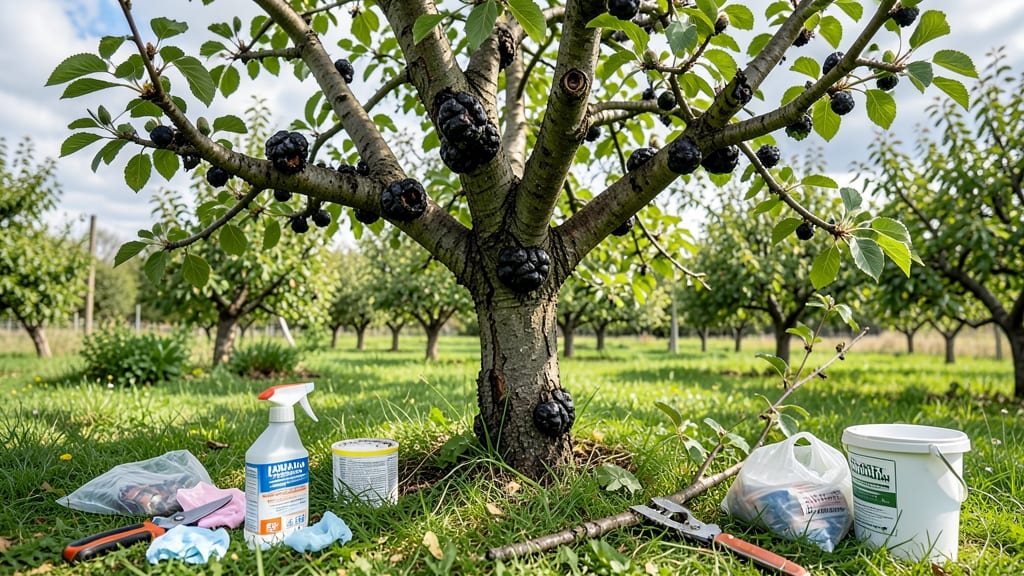
Plum tree black knot treatment turns branches into twisted, blackened knots that choke growth. 🌿 I’ve fought this disease for years, and the right pruning and spray combo can save your tree—without harsh chemicals. The key is catching it early and acting fast before the fungus spreads. Most gardeners panic when they see those ugly black swellings, but the solution is simple: prune infected branches 6 inches below the knot, sterilize tools between cuts, and apply a baking soda spray (1 tablespoon per quart of water) to stop new infections. I’ve seen trees recover completely after just one season of consistent care. You’ll know it’s working when new growth appears bright green and healthy—no more shriveled leaves or stunted branches. The tree will bounce back stronger, and with preventive sprays in spring, you can keep black knot at bay for good. Works for both backyard plum trees and orchard varieties. Here’s the step-by-step plan to reclaim your tree’s health—no stress, just results.
The Hidden Triggers Behind Black Knot
Black knot disease isn’t just a random strike—it’s the result of a perfect storm of fungal activity, environmental conditions, and tree vulnerabilities. Understanding why this stubborn pathogen targets your plum tree is the first step to stopping it in its tracks.
Let’s break down the key culprits and how they team up to create this woody nightmare. 🌱🔍
The star of this show is Apiosporina morbosa, a fungal pathogen that thrives on plum, cherry, and apricot trees. Unlike many fungi, this one is a specialist—it doesn’t waste energy attacking just any plant. Here’s how it works:
- Spores in the Air: The fungus spreads via windborne spores (called ascospores) that land on young, tender shoots, buds, or wounds. These spores are lightweight and can travel miles, making them nearly impossible to avoid once they’re airborne.
- Germination Triggers: Spores lie dormant until conditions are just right. Warm, moist environments (think spring rains or humid summers) signal them to germinate and infect the tree’s bark or twigs.
- Slow but Steady Growth: Once established, the fungus grows under the bark, creating a network of threads (hyphae) that strangle the tree’s vascular system. Over time, it forms the iconic black, tar-like knots that choke growth.
💡 Pro Tip: If you’ve noticed black knots on neighboring trees, your plum tree is in the fungal crosshairs. The spores can linger in the soil or on old knots for years, waiting for the right moment to strike again.
Black knot doesn’t just appear—it waits for the ideal conditions to explode. These environmental factors act like a green light for the fungus:
| Factor | Why It Helps the Fungus |
|---|---|
| Warm, Wet Springs | Spores germinate best when temperatures hover between 50–75°F (10–24°C) with consistent moisture. Rainy springs (like those in the Pacific Northwest or Midwest) create a fungal paradise. |
| High Humidity | The fungus thrives in humid conditions (70%+). Dew, fog, or even morning mist keeps spores active and infectious longer. |
| Slow-Drying Foliage | Trees with dense canopies or poor airflow trap moisture. Leaves that stay wet overnight give spores 24+ hours to infect. |
| Late Frosts | Frost can damage new growth, creating wounds that the fungus exploits. A late freeze in spring is like rolling out the welcome mat for Apiosporina. |
🌡️ Key Insight: If your region has cool, wet springs (hello, Pacific Northwest!), your plum tree is in the high-risk zone. Drought-prone areas? Not off the hook—irrigation or overhead watering can mimic these conditions.
A healthy plum tree is like a fortress with thick walls. But stress weakens those defenses, making it an easy target. Common stressors that invite black knot include:
- Poor Nutrition: Trees lacking nitrogen, phosphorus, or potassium grow weakly, with thin bark that’s easier for spores to penetrate. Yellowing leaves or stunted growth? That’s a red flag.
- Physical Damage: Pruning wounds, hail scars, or animal bites create entry points. The fungus loves fresh cuts—it’s like a burglar casing a house with an open window.
- Root Disturbances: Construction, compacted soil, or root-bound conditions stress the tree, reducing its ability to fight off pathogens.
- Overcrowding: Trees competing for sunlight or water compromise their immune systems. Thin canopies = more surface area for spores to land.
✨ Prevention Hack: If your tree is already stressed, focus on cultural fixes first—like balanced fertilization, mulching, and proper pruning—before tackling the fungus. A resilient tree is the best defense!
Here’s the really frustrating part: black knots don’t just disappear when you remove them. They’re like a fungal time bomb:
- Persistent Spores: Mature knots release new spores every year, especially when conditions are wet. Even if you prune them out, the cycle continues unless you sterilize tools and debris.
- Underground Reservoirs: Fallen infected branches or knots left on the ground can reinfect the tree via soil-borne spores. The fungus is patient—it can survive for years in dead wood.
- Windborne Reinfection: Spores from nearby infected trees keep coming back. If your neighbor’s plum tree has black knot, your tree is in the fungal crossfire.
🔥 Critical Action: Never leave pruned knots on the ground or compost them. Burn or bag them (double-bagged, sealed) to break the cycle. And sterilize pruners between cuts with a 10% bleach solution or rubbing alcohol.
Quick Fixes for Black Knot Disease
Black knot disease on plum trees can be frustrating, but with the right approach, you can restore your tree’s health and prevent future outbreaks. Below are targeted solutions based on the root causes—from pruning to organic sprays—along with prevention tips to keep your tree thriving.
If you’ve spotted black, swollen knots on branches, act fast to stop the spread.
H3: 🍳 Identify and Cut Out Knots
- Use sterilized pruning shears (wipe with rubbing alcohol or bleach solution between cuts).
- Remove knots and 4–6 inches of healthy tissue below the infected area—this ensures you get the entire fungal mass.
- Dispose of infected branches in the trash (not compost) to prevent reinfection.
H3: 👨🍳 Prune in Late Winter or Early Spring
- Best timing: Late winter (before buds swell) or early spring (when new growth starts).
- Avoid pruning in fall or wet seasons, as open wounds can invite more fungal spores.
💡 Pro Tip: If knots appear on small branches, you can snip them off without needing a full saw. Just ensure you cut back to healthy wood.
Even after pruning, preventative sprays keep black knot at bay.
H3: 🔪 Copper-Based Sprays (Best for Organic Growers)
- When to spray: Apply copper fungicide (like copper sulfate or copper hydroxide) 3 times per year:
- Late winter (before buds break).
- Early spring (when flowers appear).
- After heavy rains (to reinforce protection).
- How to apply: Spray evenly on branches, trunk, and foliage until damp (but not soaking).
H3: 🌿 Baking Soda Solution (Budget-Friendly Option)
- Mix 1 tbsp baking soda + 1 tsp dish soap + 1 gallon water.
- Spray every 2–3 weeks during spring and summer to create an unfriendly environment for fungi.
🎯 Prevention Bonus: If your tree is young or newly infected, add a layer of mulch (2–3 inches) around the base to reduce soil splashing onto branches.
A healthy tree fights disease better. Follow these maintenance habits to strengthen your plum tree’s defenses.
H3: 💪 Improve Air Circulation
- Thin out dense branches to allow sunlight and airflow—fungi thrive in shady, humid spots.
- Space trees properly (15–20 feet apart) if planting new ones.
H3: 🌡️ Water at the Base (Not Overhead)
- Avoid wetting leaves and branches—this spreads fungal spores.
- Use drip irrigation or soaker hoses to keep the soil moist, not the foliage.
H3: 🌱 Feed with Compost or Organic Fertilizer
- Balanced nutrition (especially potassium and phosphorus) helps trees resist stress.
- Apply compost or a slow-release organic fertilizer in early spring.
If your tree is heavily infected (multiple large knots, wilting leaves), take extra steps:
- Prune aggressively—remove all infected branches, even if it means thinning the canopy.
- Apply a stronger organic fungicide (like neem oil or potassium bicarbonate spray) every 10–14 days for 2 months.
- Monitor for reinfection—check branches weekly in spring and summer.
🔥 Last Resort: If the tree is beyond saving, consider replacing it—some varieties (like European plums) are more susceptible than others (e.g., Japanese plums).
By pruning early, spraying preventatively, and keeping your tree healthy, you can eliminate black knot and enjoy plum-filled harvests for years! 🍑🌿
Frequently asked questions
How do I know if my plum tree has black knot?
Look for dark, tar-like growths on branches that appear swollen and twisted. These knots often start small but can grow up to 6 inches long. Check for shriveled leaves or stunted growth near the knots—these are clear signs of infection. Early detection is key to stopping the spread!
Can I use household items to treat black knot?
Yes! A simple baking soda spray (1 tablespoon baking soda + 1 teaspoon dish soap per gallon of water) works well for prevention. For existing knots, copper fungicide (like copper sulfate) is a natural, effective treatment. Just apply it 3 times per year—before buds break, during flowering, and after rain.
What’s the best time of year to prune infected branches?
Prune during late winter or early spring (before buds swell) to minimize stress on the tree. Avoid pruning in fall or wet seasons, as open wounds can invite more fungal spores. Always sterilize your tools between cuts to prevent spreading the disease.
Will removing black knots save my plum tree?
Yes, but you must remove at least 6 inches of healthy tissue below each knot to stop the fungus. Dispose of infected branches in the trash (not compost) and sterilize your tools. Combine pruning with fungicide sprays for best results. A healthy tree fights back better!
Why does black knot keep coming back?
Mature knots release new spores every year, especially in wet conditions. Spores can also linger in soil or on nearby infected trees. To break the cycle, sterilize tools, remove all debris, and spray preventatively in spring and summer. Persistence pays off!