
Planting
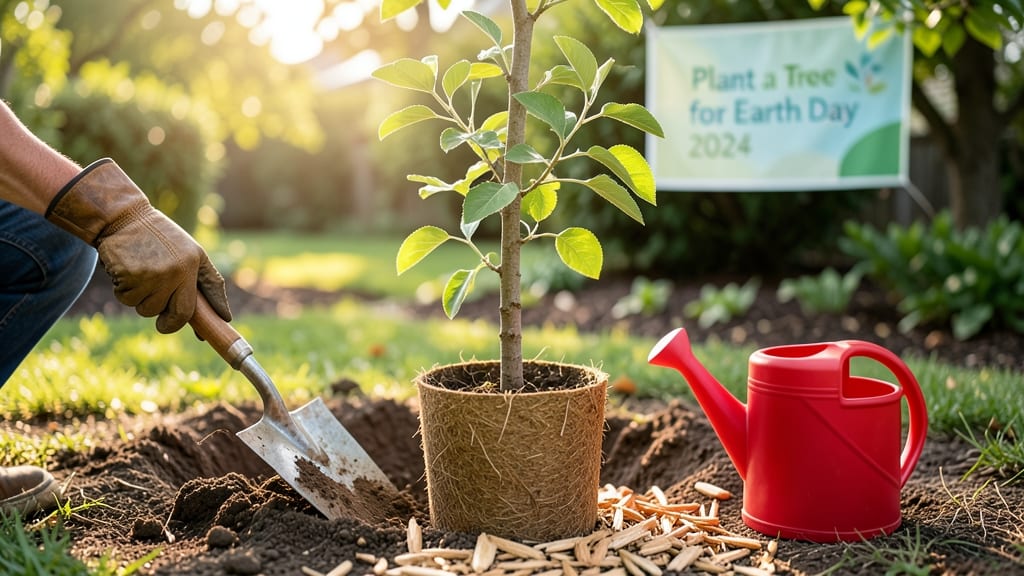
This Earth Day, your backyard could become a carbon-capturing powerhouse. 🌳 Planting a fast-growing native tree isn't just gardening—it's a direct investment in cleaner air, wildlife habitat, and a cooler planet.
I've planted dozens over the years, and the right species makes all the difference in survival rates and ecological impact. The best candidates for Earth Day planting are native trees like red maple (Zone 3-9) or eastern redbud (Zone 4-9), which establish quickly and support local ecosystems.
Skip the generic nursery stock—opt for bare-root or container-grown trees from reputable sources. Your local Native Plant Society can point you to the perfect match for your climate.
You'll end up with a thriving tree that grows 10-15 feet in its first five years, provides shade by summer, and becomes a magnet for birds and pollinators. The soil prep takes 30 minutes, and proper watering schedules ensure it survives that critical first year.
Works in urban backyards, community parks, or even large containers. Here's how to make your Earth Day planting count for decades to come.
📚 In This Guide
- What you need
- Instructions
- Tips and common mistakes
- Wrapping up and next steps
What you need
- ● Tree sapling: Choose a native species (e.g., oak, maple, or fruit-bearing trees like apple or cherry). Quantity: 1 per hole.
- ● Shovel: A sturdy digging tool (16–24" wide) for planting and loosening soil.
- ● Gloves: Heavy-duty work gloves to protect your hands from thorns or rough soil.
- ● Water: A hose or 5-gallon bucket (preferably with a sprinkler attachment).
- ● Mulch: Organic mulch (wood chips, straw, or shredded leaves) Quantity: 2–3 inches to cover the soil.
- ○ Stakes & ties (optional but recommended): 1–2 bamboo stakes (4–5 ft tall) and soft plant ties to support young trees.
- ● Pruning shears: For trimming dead branches (if needed).
- ● Soil amendment: Compost or slow-release fertilizer (1–2 cups per tree).
- ● Measuring tape: To ensure proper planting depth (typically 2–3 times the root ball’s diameter).
- ○ Tree guard (optional): A protective wrap to shield young trees from pests or animals.
- ● 📅 Timing: Plant on Earth Day (April 22) or during your region’s ideal planting season (spring/fall).
- ● 📍 Location: A spot with full sun (6+ hours/day) and well-draining soil. Avoid low areas where water pools.
- ● 👥 Help: Enlist a friend or family member to hold the sapling steady while you dig!
Step-by-step instructions for planting a tree on Earth Day
Here's how to plant a resilient tree that thrives for decades—not just a one-day gesture.
🌱 Step 1: Choose the Right Tree and Location
Select a native species suited to your climate zone—local trees adapt best and support native wildlife. Avoid invasive varieties that disrupt ecosystems. Look for a site with 6+ hours of sunlight daily and space for mature growth (check the tree's expected height and spread). I always measure the area with a tape measure to ensure ample room for roots to expand.
Test the soil by digging a 12-inch deep hole—if it's compacted or waterlogged, amend with 2-3 inches of compost mixed into the top 6 inches. The goal is loose, well-draining soil that encourages root growth. Avoid low-lying areas where water pools after rain.
☀️ Step 2: Prepare the Planting Hole
Dig a hole twice as wide as the tree's root ball but no deeper—this prevents root suffocation. The top of the root ball should sit 1-2 inches above ground level when planted; settling will occur over time. I use a shovel to create clean, vertical sides for the hole, which helps roots spread outward naturally.
Loosen the soil at the bottom of the hole with a garden fork to remove compaction. If your soil is heavy clay, mix in 1 part compost to 3 parts native soil at the hole's base. This improves drainage and provides nutrients for early root establishment.
🪴 Step 3: Plant the Tree with Care
Gently remove the tree from its container and loosen any circling roots with your fingers—these roots can strangle the tree if left intact. Place the tree in the hole so the root flare (where roots meet the trunk) is visible above the soil line. This prevents the trunk from sinking too deep over time.
Backfill the hole with the native soil you removed, tamping lightly every 4-6 inches to eliminate air pockets. Water deeply after each layer to settle the soil. Avoid adding fertilizer at planting—you'll shock the tree's delicate new roots.
💧 Step 4: Water and Mulch for Long-Term Health
Water the tree immediately after planting with 10-15 gallons of water, enough to soak the root ball completely. This helps the soil settle around the roots. Over the next 2-3 weeks, water deeply 2-3 times per week unless rainfall provides 1 inch of moisture. You'll know the tree is getting enough water when the top 6 inches of soil stay consistently moist.
Spread 2-3 inches of mulch in a circle around the tree, keeping it 3-6 inches away from the trunk to prevent rot. Use organic mulch like wood chips or shredded bark, which breaks down over time and improves soil structure. Replenish mulch annually to maintain its protective layer.
✂️ Step 5: Protect and Monitor for First-Year Success
Stake the tree only if necessary—young trees in windy areas benefit from temporary support. Use 2-3 stakes and a soft tree tie to avoid girdling the trunk. Remove stakes after 1 growing season to prevent the tree from becoming dependent on them. Prune only to remove dead or damaged branches; never "top" a young tree for a fuller shape.
Check the tree weekly for signs of stress: yellowing leaves may indicate overwatering, while brown edges suggest underwatering. A healthy tree will show new growth within 4-6 weeks of planting. After the first year, the tree's root system will be established enough to handle normal weather variations.
Tips & tricks for planting a tree that thrives for decades
Real talk: Planting a tree is more than just a symbolic Earth Day gesture—it's a long-term commitment. Here’s how to ensure your tree grows strong and healthy for years to come.
Species and Site Selection: Native trees are your best bet—they’re already adapted to your local climate and soil conditions, which means less work for you. Before you buy, check if your local nursery offers native species, and avoid invasive varieties that can harm ecosystems. Pro tip: Visit your local extension office or park service for species recommendations tailored to your area. Also, take time to measure the mature size of the tree—many homeowners underestimate how much space a tree needs as it grows.
Soil Preparation is Everything: That 12-inch deep hole isn’t just for looks—it’s about giving roots room to breathe. If your soil is compacted or heavy clay, don’t skip the compost amendment! Mixing in 2-3 inches of compost into the top 6 inches of soil improves drainage and provides essential nutrients. For heavy clay soil, the 1 part compost to 3 parts native soil ratio is key—it prevents waterlogging while still enriching the soil. Think of it as creating a cozy, well-drained nest for your tree’s roots.
Root Care During Planting: Circling roots are the silent killer of young trees. When you remove the tree from its container, gently tease apart any roots that are wrapped around the root ball—they can strangle the tree over time. And that 1-2 inch elevation above ground level? It’s not just a suggestion—it prevents the trunk from sinking too deep as the soil settles, which can lead to rot or poor growth. Watering deeply after each layer of soil helps the roots settle naturally into their new home.
Watering Wisdom: The 10-15 gallons of water you pour immediately after planting isn’t just for show—it’s critical for helping the soil settle around the roots. Over the next 2-3 weeks, stick to 2-3 deep waterings per week unless you get 1 inch of rain. The goal is to keep the top 6 inches of soil consistently moist, not soggy. A soil moisture meter can be a game-changer here—it takes the guesswork out of watering and prevents over- or under-watering, both of which stress young trees.
Pro Tips for Plant A Tree On Earth Day
- Real talk: Planting a tree is more than just a symbolic Earth Day gesture—it's a long-term commitment.
- Species and Site Selection: Native trees are your best bet—they’re already adapted to your local climate and soil conditions, which means less work for you.
- Soil Preparation is Everything: That 12-inch deep hole isn’t just for looks—it’s about giving roots room to breathe.
Frequently asked questions
Got questions about planting a tree on Earth Day?
You’re not alone! Here are some of the most common queries—and straightforward answers—to help you get started with confidence.
What’s the best type of tree to plant for Earth Day?
Choose native species! They thrive in your local climate, support wildlife, and require less water. Fast-growing options like red maple or swamp white oak are great for quick impact. Check with your local nursery or USDA Plant Hardiness Zone Map for tailored suggestions.
When is the absolute best time to plant a tree on Earth Day?
Earth Day (April 22) is perfect for spring planting in most regions—soil is warm enough, and rain helps roots establish. Avoid planting during frost or extreme heat. If you miss Earth Day, aim for early spring or fall (4–6 weeks before first frost).
Can I plant a tree for free or low-cost?
Many cities offer free tree giveaways on Earth Day—check local parks, libraries, or arborday.org. Community groups, schools, and even some utilities (like PG&E) provide saplings. If buying, opt for bare-root seedlings ($5–$20) instead of potted trees.
What if I don’t have a yard? Can I still participate?
Yes! Try these alternatives:
- Community gardens: Partner with local orgs to plant in shared spaces.
- Urban trees: Volunteer with TreePeople or American Forests to plant in parks or along streets.
- Container planting: Grow a small tree in a large pot on a balcony or patio (use fast-draining soil!).
My tree isn’t growing—what went wrong?
Don’t panic! Common issues include:
- Poor soil: Amend with compost or mulch (3–4 inches) to retain moisture.
- Over/under-watering: Water deeply 1–2x/week (check soil moisture 2" below surface).
- Pests/disease: Inspect leaves for signs (e.g., holes, discoloration). Use neem oil or contact a local extension service.
Most trees take 1–3 years to show significant growth—patience is key!
Wrapping up and next steps
Planting a tree on Earth Day isn’t just an act of kindness—it’s a powerful step toward healing our planet. 🌱 Whether you’re a seasoned gardener or a beginner, every tree you plant makes a difference, from purifying the air to supporting wildlife.
Your effort inspires others to join the movement, creating a ripple effect of positive change.
Ready to take action? Start small today—research native species, gather your tools, and plant with purpose. Share your journey on social media using #PlantATreeForEarthDay to connect with a global community of eco-warriors. Together, we can turn Earth Day into a year-round commitment to sustainability!