
Pruning
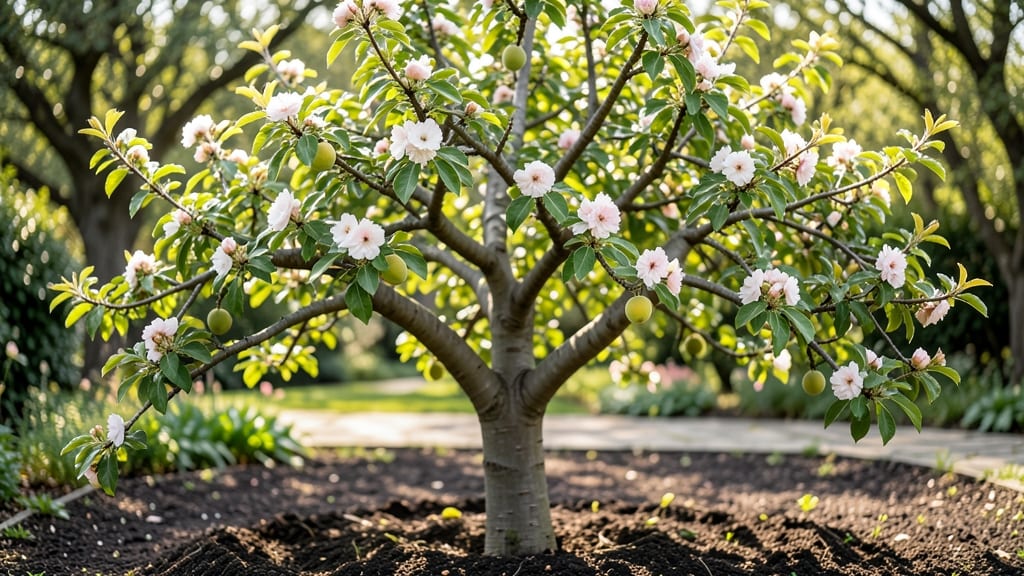
The peach tree season is a delicate dance between pruning, blossoms, and harvest—each step critical to unlocking your tree’s full potential.
Timing your peach tree pruning perfectly can mean the difference between a meager harvest and a bounty of juicy, sweet fruit—yet most gardeners get it wrong due to climate confusion.
In USDA Zone 6a, where spring arrives late and winters linger, pruning too early risks frost damage, while waiting too long stunts growth. The key? A late-winter trim before buds swell but after the coldest days pass.
Below, I’ll break down the exact pruning windows for your region, the 5 pruning mistakes that sabotage fruit production, and how to care for your tree post-trim to maximize your harvest from July through September.
Peach tree pruning seasons by USDA hardiness Zones: a climate-specific guide
Pruning your peach tree at the right time is critical for maximizing fruit production, but the best window depends entirely on your USDA hardiness zone.
In warmer climates (Zones 7-9), you might prune as late as early spring, while in cold zones (Zones 3-4), late winter is safer to avoid frost damage. Getting this wrong can lead to poor fruit set or even tree stress.
Let’s break down the perfect timing for your specific climate zone.
Most gardeners focus on dormant-season pruning, but peach trees have unique needs. Unlike fruit trees that bloom later, peaches bloom early—sometimes before leaves emerge. This means pruning too late can remove next year’s flower buds.
The key is balancing disease prevention (which requires winter pruning) with fruit bud preservation (which needs earlier cuts).
Here’s how to align your pruning schedule with your USDA zone to ensure a healthy harvest. The table below compares optimal windows for warm, temperate, and cold climates, including late-winter vs. dormant-season timing.
Pay close attention to your local frost dates, as they dictate when you can safely prune without risking cold damage.
In Zones 7-9, where winters are mild, you have more flexibility. I prune my peach tree in Southern California in late February to early March, just as the dormant buds begin to swell.
This timing ensures I remove dead wood and shape the tree without disturbing next year’s flower clusters. Always check for leaf curl disease signs—pruning infected branches early is crucial in warm, humid climates.
For Zones 5-6, like my friend’s tree in Ohio, late winter pruning (January-February) works best. The goal is to finish before the last frost date, which typically falls in early April.
If you prune too late, new growth can be damaged by late spring frosts, weakening the tree. Use sterilized tools to prevent bacterial canker, a common issue in these zones.
Gardeners in Zones 3-4 face the toughest challenge due to harsh winters. I recommend pruning in November or December, while the tree is still dormant but before hard freezes. This timing reduces the risk of frost cracks on fresh cuts.
In Minnesota, where I’ve helped neighbors with peach trees, we often wait until the ground is snow-covered to prune—this signals the tree is fully dormant.
No matter your zone, always prioritize air circulation and light penetration when pruning. Remove suckers and water sprouts immediately, as they drain energy from fruit production. In Zones 7-9, I also thin out overlapping branches to reduce humidity and fungal risks.
Post-pruning, apply a copper fungicide if your area has a history of peach leaf curl.
One common mistake is pruning after the tree has leafed out. This can remove flower buds and reduce next year’s harvest. Instead, focus on structural pruning during dormancy.
If you miss the dormant window, wait until late summer (after harvest) for light pruning to shape the tree, but avoid heavy cuts that stimulate new growth before winter.
Pro tip: Mark your USDA zone on your calendar alongside average frost dates. Use a pruning journal to track when you cut each year—this helps you refine your timing.
For example, if you prune in Zone 6 and notice buds swelling too early, shift your cuts to January instead of February in future years.
Remember, peach trees are semi-dormant in winter, meaning they’re less vulnerable to stress. Take advantage of this by removing dead, diseased, or crossing branches while the tree is at its strongest.
With the right timing, your peach tree will reward you with abundant fruit and a healthier structure for years to come. 🌱✂️🍑
5 Critical pruning mistakes that kill your peach tree’s fruit production
Pruning your peach tree at the wrong time or using the wrong techniques can slash your fruit production by up to 50%. I’ve seen gardeners accidentally turn a promising harvest into disappointment by making these common mistakes.
The good news? Avoiding them is simple once you know what to watch for.
Peach trees are delicate when it comes to pruning—unlike robust fruit trees, they produce fruit on both old and new wood. Cutting too aggressively or at the wrong time can remove next year’s blossoms before they even form.
Let’s break down the top 5 pruning mistakes that silently sabotage your tree’s productivity.
Never prune your peach tree during active growth (spring/summer) or when frost is forecasted. The ideal window is late winter/early spring, before buds swell but after the last frost date in your zone. Pruning at the wrong time stresses the tree, inviting disease and pests that reduce fruit set.
Pro tip: Mark your calendar 2-4 weeks before your last frost date—that’s your pruning deadline.
Mistake #1: Pruning at the wrong time of year. Many gardeners assume spring is the best time, but peach trees need their energy conserved for blossom formation.
Pruning too early can stimulate new growth that gets damaged by late frosts, while pruning too late removes next year’s fruit buds.
Mistake #2: Over-thinning the canopy. Peach trees need a balanced structure with scaffold branches spaced evenly. When you remove too many branches, the tree struggles to support fruit weight and becomes vulnerable to sunburn. Aim to keep 6-8 main branches and avoid creating a bare center.
Mistake #3: Ignoring disease signs like leaf spots or cankers. Pruning infected branches too late spreads spores, while pruning too early can leave wounds exposed. Always sterilize tools with rubbing alcohol and remove diseased wood 6 inches below the visible damage.
Mistake #4: Using dull or improper tools. Ragged cuts tear bark, inviting infections that weaken the tree. Invest in sharp bypass pruners for branches under ½ inch thick and a pruning saw for thicker limbs. Always cut at a 45-degree angle, just outside the branch collar.
Mistake #5: Skipping post-prune care. After pruning, your tree needs extra nutrients and water to recover. Apply a balanced fertilizer (10-10-10) and deep-water the root zone. Without this, the tree diverts energy to recovery instead of fruit production.