
Pruning
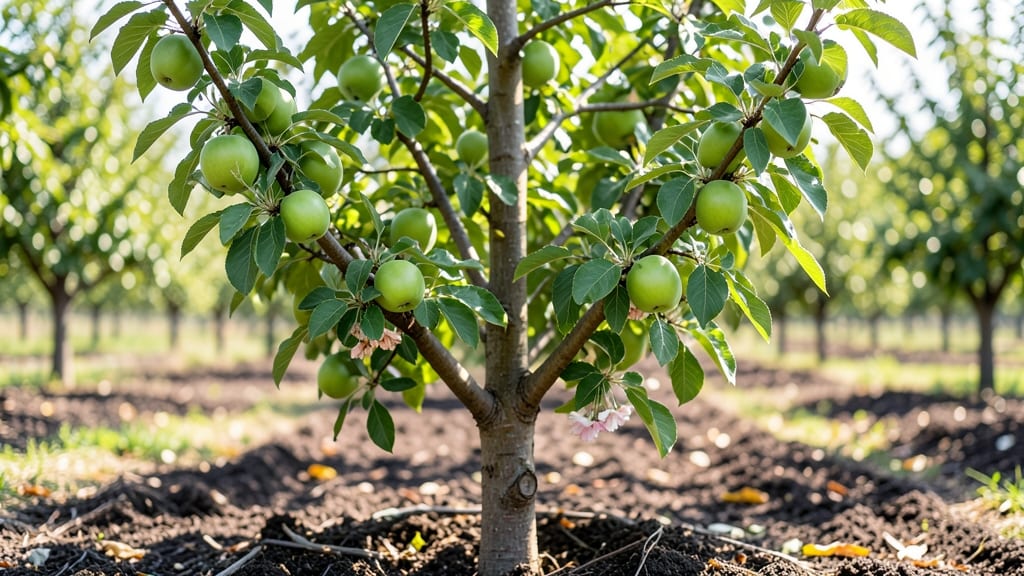
Your peach tree’s green fruit isn’t ripening because it’s sending a clear message about what’s missing—whether it’s sunlight, water, or the right nutrients to turn those peaches into sweet treats 🍑.
Picture this: July rolls around, and instead of juicy peaches, you’re left staring at a tree full of hard, green fruit. It’s frustrating, but the good news? This is almost always fixable with a few targeted adjustments.
Most gardeners assume green peaches are just slow to ripen, but the truth is often simpler: your tree might be stressed, underfed, or lacking the ideal growing conditions.
We’ll break down the most common reasons—from watering mistakes to temperature swings—and show you exactly how to turn those green peaches into ripe, flavorful harvests.
By the end, you’ll know when to prune for better airflow, how much water your tree really needs, and the best way to coax ripening along if the season is running short. Let’s get those peaches blushing!
5 Common reasons your peach tree fruit stays green
When your peach tree fruit stays stubbornly green instead of developing that classic blush or yellow hue, it’s often your tree’s way of signaling distress. While some varieties like Green Garnet peaches naturally stay green longer, most peaches need proper conditions to ripen.
Understanding the root causes behind green fruit helps you diagnose issues early and take corrective action before your harvest season passes.
Peaches ripen through a complex process called ethylene production, triggered by sunlight, warmth, and proper nutrient balance. When these factors are off, your tree may fail to produce enough ethylene, leaving fruit firm and green.
Let’s explore the most common reasons why your peaches aren’t ripening—and what you can do to fix it.
🔍 5 Key Reasons Your Peaches Stay Green
-
1. Insufficient Sunlight
Peaches need 6+ hours of direct sunlight daily. Shade from nearby trees or structures slows ripening, keeping fruit green. Look for small, hard peaches with pale green leaves on shaded branches. -
2. Temperature Fluctuations
Cool nights (below 50°F) or late frosts disrupt ethylene production. Fruit may stay green if temps drop after blooming. Check for uneven ripening—some peaches green while others blush. -
3. Nutrient Deficiencies
Lack of potassium or nitrogen delays ripening. Yellowing leaves with green veins or small, hard fruit signal deficiencies. Soil tests reveal imbalances before symptoms appear. -
4. Watering Issues
Overwatering or drought stress both hinder ripening. Overwatered trees show yellow leaves and mushy fruit, while underwatered trees have small, shriveled peaches. Consistent deep watering is key. -
5. Tree Stress or Disease
Pests (aphids, borers) or fungal infections (brown rot) divert energy from fruit. Look for holes in bark, discolored leaves, or premature fruit drop. Stressed trees produce small, green peaches with poor flavor.
Each of these issues affects your peach tree differently, but the visual clues are your first line of defense. For example, if your tree’s leaves are curling and fruit stays green, pests or drought are likely culprits.
Meanwhile, yellowing leaves with green veins point to a nutrient deficiency, often iron or nitrogen.
Let’s dive deeper into how to identify these problems in your own garden. Start by examining the size and color of your peaches. Are they small and hard? That’s a classic sign of underwatering or nutrient starvation.
Conversely, large but pale green peaches often indicate too much shade. Pay attention to the tree’s overall health, too—weak branches or sparse foliage suggest systemic stress.
Temperature plays a surprising role in peach ripening. While peach trees thrive in USDA Zone 5-9, unseasonably cool springs can delay ripening. If your area experienced late frosts after blooming, your fruit may never develop color.
Keep a garden journal to track temperature swings and correlate them with fruit development.
One of the most overlooked causes of green peaches is improper pruning. Over-pruning removes too many fruit-bearing branches, reducing sunlight exposure to remaining peaches. Always prune in late winter or early spring to avoid stressing the tree during growing season.
Aim to open the canopy for better airflow and light penetration.
If you suspect nutrient deficiencies, conduct a soil test to check pH and nutrient levels. Peach trees prefer slightly acidic soil (pH 6.0-7.0). Low potassium levels often result in small, green fruit, while nitrogen deficiencies cause yellowing leaves.
Amend your soil with compost or balanced fertilizer (like 10-10-10) in early spring to support ripening.
Finally, don’t ignore the role of tree maturity. Young peach trees (under 3 years old) often produce green, underdeveloped fruit because they’re still building energy reserves. Be patient—wait until the tree is established before expecting a full harvest.
Meanwhile, thin the fruit in early summer to ensure remaining peaches get enough nutrients to ripen properly.
By addressing these five common issues, you’ll give your peach tree the best chance to produce sweet, ripe fruit next season. Start with the most obvious signs—like leaf color or fruit size—and work your way through the checklist.
Your efforts will pay off with a bountiful harvest of juicy, flavorful peaches. 🍑
Step-by-step fixes to turn green peaches into ripe fruit
If your peach tree is producing green fruit instead of the expected blush or yellow, don’t panic—this is often fixable! The issue usually stems from environmental stress, nutrient imbalances, or poor care practices.
The good news? With targeted adjustments, you can coax your tree into producing sweet, ripe peaches next season. Let’s tackle the most effective solutions, starting with immediate fixes and moving to long-term strategies.
First, identify the root cause—is your tree underwatered, overwatered, or lacking sunlight? Peaches need 6+ hours of direct sun daily, and their watering schedule must be consistent but not excessive. Once you pinpoint the issue, follow these step-by-step fixes to transform those green peaches into harvest-ready fruit.
🌱 Step-by-Step Fixes for Green Peaches
Peach trees need deep, infrequent watering. Water 10-15 gallons per tree once a week (more in summer). Avoid shallow watering, which stresses roots and keeps fruit green.
Peaches thrive in slightly acidic soil (pH 6.0-7.0). Test your soil and amend with compost or aged manure if it’s too alkaline. Add a balanced fertilizer (10-10-10) in early spring.
Thin out dense branches to improve sunlight penetration and air circulation. Remove water sprouts and dead wood in late winter or early spring.
Move your tree to a sunnier location if it’s shaded. Even partial shade can delay ripening. Use reflective mulch around the base to boost sunlight.
Check for aphids, peach tree borers, or fungal infections. Treat with neem oil or insecticidal soap if needed. Healthy trees produce ripe fruit!
Remove excess fruit (leave 6-8 inches between peaches). This ensures remaining fruit gets adequate nutrients and ripen fully.
For immediate results, focus on watering and soil amendments—these two factors alone can make a dramatic difference in fruit color within weeks. If your tree is young (3 years old), it may need extra patience as it matures.
Long-term, pruning and seasonal care will keep your tree healthy and productive.
Remember, peach ripening is a seasonal process. If your climate is cool, fruit may stay green longer. In this case, consider harvesting early and ripening indoors with ethylene treatment (like an apple in a bag with the peaches).
With these fixes, you’ll be enjoying juicy, ripe peaches in no time! 🍑