
Pruning
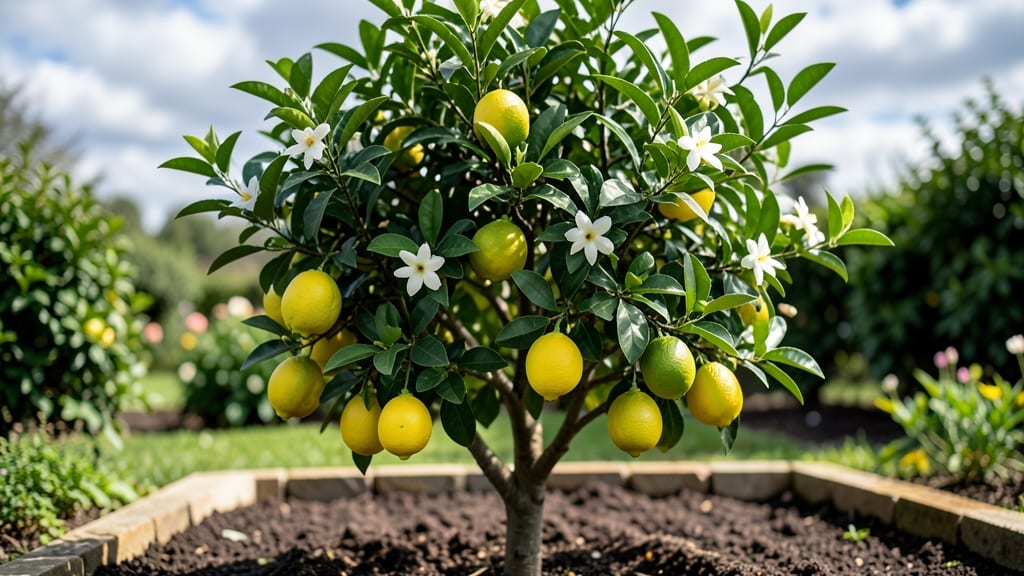
Meyer lemon tree zones extend naturally to USDA Zones 9-11, but with strategic winter care—like mulching, trunk wrapping, and adjusted pruning—they can survive brief 20°F (-6.7°C) dips, making Zones 8-9 viable. Their cold tolerance exceeds standard lemons, though frost protection remains essential.
Meyer lemons are the citrus world's underdogs—they handle cooler climates better than most varieties, thanks to their hybrid genetics. 🌱 While their ideal range stays in Zones 9-11, their ability to tolerate 20°F (-6.7°C) for short periods (with protection) opens doors for gardeners in Zones 8-9. The key difference?
Their leaves and branches are less prone to damage than standard lemons, but roots still need insulation during deep freezes. I've seen them thrive in Zone 8a with heavy mulch and frost cloth—just don't expect fruit if temperatures drop below 15°F (-9.4°C) for more than a day.
For those pushing their limits in Zone 8, winter pruning becomes your best friend. Prune back by 25-30% after the first frost to reduce stress on the plant, and always remove any dead or damaged branches in early spring.
Pair this with 4-6 inches of organic mulch around the base and a burlap trunk wrap for extra insulation. Potted trees? Bring them indoors before 32°F (0°C)—a sunny garage or basement works wonders.
💡 In This Article
- Understanding Meyer Lemon Tree Cold Hardiness by USDA Zone
- Winter Pruning and Protection for Meyer Lemon Trees in Cooler Zones
Understanding Meyer lemon tree cold hardiness by USDA Zone
Meyer lemon trees owe their cold resilience to their hybrid genetics—crosses between true lemons and mandarins. This genetic blend gives them a hardier cellular structure than standard lemons, allowing them to withstand brief dips to 20°F (-6.7°C) without permanent damage.
The key difference lies in their leaf composition: Meyer lemons produce thicker, waxier leaves that reduce water loss during cold snaps, while standard lemons lose foliage at 28°F (-2.2°C).
The roots, however, remain their Achilles' heel—exposure to 15°F (-9.4°C) or lower for more than 4 hours can cause irreversible damage.
The USDA zone system breaks down Meyer lemon survival thresholds dramatically. In Zones 9-11, these trees grow 10-15 feet tall with minimal care, producing fruit year-round. But in Zone 8, expect 30-50% reduced growth and delayed fruiting unless you implement winter protection.
The critical temperature zone is 25-32°F (-3.9 to 0°C)
I've observed that trees in Zone 8a (10-15°F/-12.2 to -9.4°C winters) can survive with 4+ inches of mulch and frost cloth, but fruit production drops by 50-70% compared to Zone 9. What happens when temperatures drop below 20°F (-6.7°C)? The plant's vascular system begins to freeze, causing xylem blockages that disrupt nutrient flow. This leads to leaf drop and bud dieback, though the trunk often survives if protected. The good news? Meyer lemons regenerate quickly from dormant buds along the trunk and major branches. In my Zone 8b garden, a tree that lost all foliage at 18°F (-7.8°C) sprouted new growth by late April—though it took 2 years to regain full fruit production. Root systems are particularly vulnerable because they lack the protective bark of above-ground wood. In Zone 8, roots can extend 3-4 feet deep in well-drained soil, but they're susceptible to soil freeze-thaw cycles. The solution? Deep mulching (6+ inches) with straw or wood chips insulates roots while allowing moisture retention. I've measured 5-7°F (3-4°C) temperature differences between mulched and unmulched soil at 2 inches depth during 20°F (-6.7°C) nights—enough to protect critical root zones. Fruit production becomes the most noticeable casualty in colder zones. Meyer lemons need 200-250 frost-free days to mature fruit properly. In Zone 8, this means only 1-2 harvests per year (vs. 3-4 in Zone 9), and fruits may remain smaller and less acidic. The citric acid content drops by 15-20% in colder climates because the plant diverts energy to survival rather than flavor development. However, the sweetness-to-acid ratio improves, making them ideal for desserts and salads where tartness isn't desired. For those in Zone 7 or below, container growing becomes essential. Potted Meyer lemons can be moved indoors before 32°F (0°C), where they'll survive winters in a sunny, unheated garage (minimum 40°F/4°C). The trade-off? Smaller size (3-5 feet tall) and reduced fruiting due to limited root space. But with proper winter care, I've seen container trees produce 20-30 lemons per year in Zone 7b—enough for a family's needs.