
Fertilization
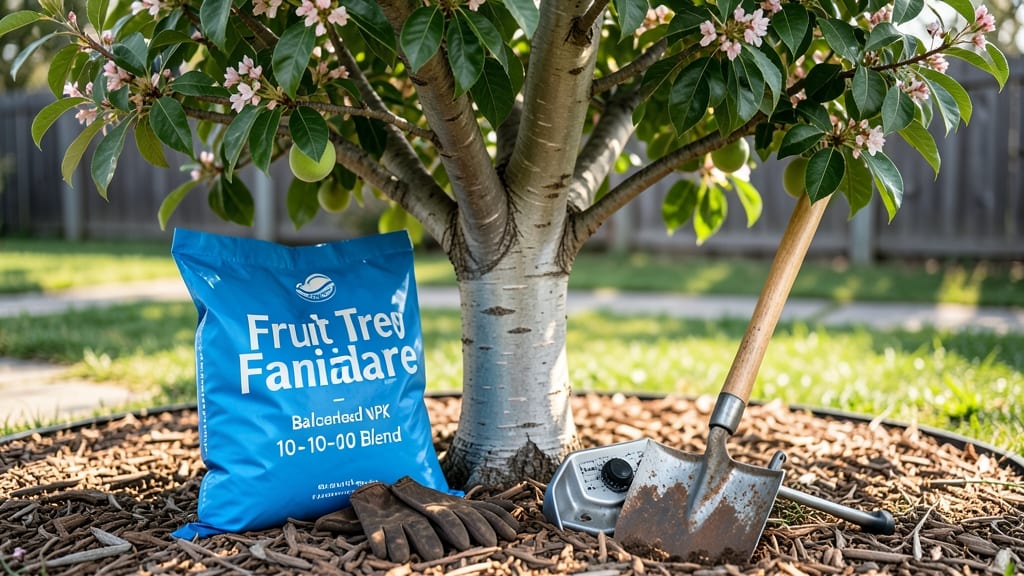
A peach tree fertilization schedule keeps your 🍑 thriving with juicy fruit instead of leafy fluff—but get the timing wrong, and you’ll end up with bitter peaches or a tree that barely survives the season.
Most gardeners overdo it in spring, drowning roots with nitrogen, or skip summer feedings when fruit needs the most energy. The real secret? A three-season rhythm—heavy in spring, light in summer, and none in fall or winter.
In this guide, I’ll walk you through the exact months to fertilize, which organic vs. synthetic blends work best, and how to spot when you’ve gone overboard (yellow leaves are your first warning).
By the end, your peach tree will be bursting with flavor, not just surviving—because the right schedule turns good harvests into legendary ones.
Seasonal peach tree fertilization schedule by growth stage
Peach trees need nutrients at specific times to produce sweet fruit and strong growth. Fertilizing too early or too late can lead to poor flowering, weak wood, or even leaf burn.
My schedule focuses on three key growth stages: early spring bud development, summer fruit production, and fall root strengthening. Whether you choose organic options like compost or synthetic fertilizers like 10-10-10, timing is everything.
Most gardeners make the mistake of fertilizing in fall or winter, which encourages late-season growth that won’t harden off before frost. Instead, we’ll focus on spring and early summer when your tree is actively growing.
For young trees (under 3 years old), use half the recommended rates to avoid overfeeding. Mature trees need more, but never exceed the 1/2 cup per inch of trunk diameter rule.
Here’s how I break down the fertilization schedule by season, including organic vs. synthetic options and application rates. This ensures your peach tree gets exactly what it needs when it needs it.
In early spring, when buds begin to swell (around late March in Zone 6), apply a balanced fertilizer like 10-10-10 or a mix of compost and well-aged manure. This kickstarts growth without overwhelming the tree.
For organic options, I recommend chicken manure (composted) or worm castings, which release nutrients slowly. Spread it 6 inches from the trunk and water deeply to activate the soil microbes.
By late spring, when flowers bloom and fruit sets, switch to a lower-nitrogen fertilizer like 5-10-10. Too much nitrogen now will produce lush leaves but fewer peaches. Organic gardeners can use fish emulsion or a kelp-based fertilizer for a gentle boost.
Apply this after the petals fall to avoid damaging blossoms. Always water before and after applying fertilizer to prevent root burn.
During summer, focus on potassium-rich fertilizers like 0-0-50 or homemade banana peel tea. Potassium helps sweeten the fruit and strengthens cell walls. I’ve seen dramatic improvements in peach flavor by adding a light feeding in mid-July.
For organic gardeners, wood ash (sparingly) or a compost tea works well. Avoid fertilizing in August or September, as new growth won’t harden off before winter.
In fall and winter, your peach tree doesn’t need fertilizer. This is its dormancy period, and feeding it will encourage weak, frost-sensitive growth. Instead, focus on mulching with 2-3 inches of organic matter (like straw or shredded leaves) to protect roots.
If you’re in a warmer climate (Zone 8+), you might apply a light winter fertilizer in December, but most Zone 6 gardeners should skip this entirely.
One mistake I see often is over-fertilizing young trees. A 2-year-old peach tree only needs 1/4 cup of fertilizer in spring, not a full cup. Another common error is using fresh manure, which can burn roots.
Always compost manure for at least 6 months before using it. For synthetic fertilizers, I recommend slow-release granules
Best organic and synthetic fertilizers for peach trees (with ratings)
Choosing the right fertilizer for peach trees can make the difference between a meager harvest and a bounty of juicy fruit. Organic options like compost and manure build soil health over time, while synthetic fertilizers like 10-10-10 provide quick nutrient boosts.
The key is balancing nitrogen (N), phosphorus (P), and potassium (K)—especially during critical growth stages.
For young peach trees, I recommend starting with organic matter like well-aged compost to establish strong roots. Mature trees, however, often benefit from a mix of both organic and synthetic fertilizers to meet their higher nutrient demands.
Let’s break down the top options and when to use them for maximum yield.
Synthetic fertilizers like 10-10-10 are my go-to for a quick nutrient boost during spring bud break and summer fruit development. They’re easy to apply and dissolve fast, but I always follow the label instructions to avoid over-fertilizing.
For organic options, compost is my top pick—it improves soil health while providing a steady supply of nutrients.
Switching between organic and synthetic fertilizers depends on your tree’s needs. In early spring, I use a balanced synthetic fertilizer to kickstart growth, then shift to organic options like compost tea or fish emulsion during flowering to support fruit set.
By late summer, I taper off fertilization entirely to prepare the tree for dormancy.
One mistake I see often is overusing nitrogen-heavy fertilizers, which can lead to leafy growth at the expense of fruit. Always pair fertilization with proper watering schedules and mulching to maximize nutrient uptake.
For young trees, I recommend a 5-10-10 ratio to encourage root development before focusing on fruit production.
Remember, the best fertilizer for your peach tree depends on its age, soil type, and local climate. Start with a soil test to identify deficiencies, then adjust your feeding schedule accordingly.
With the right mix of nutrients, your peach tree will reward you with sweeter fruit and stronger growth every season. 🌱