
Pruning
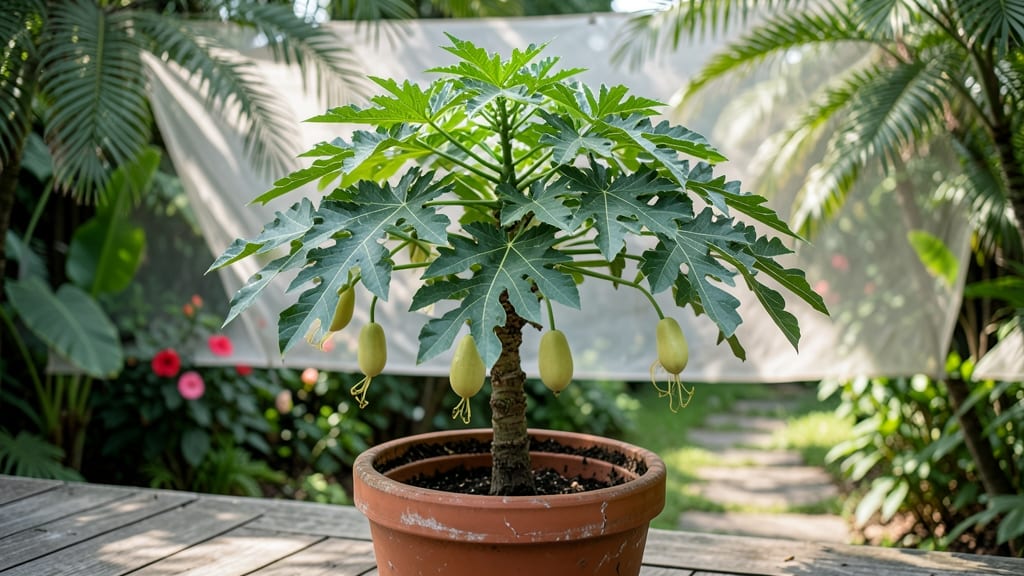
Your papaya tree’s small fruit might be a sign it’s putting energy into too many branches instead of a few strong ones 🍈 — and the fix is simpler than you think.
Picture this: you’ve nurtured your tree for months, only to harvest tiny, underdeveloped papayas that barely fill a palm. Frustrating, right? The good news? With just three targeted pruning tricks, you can redirect that energy into fewer, larger fruits in as little as one season.
Most gardeners focus on soil or water, but the real game-changer is pruning — specifically, thinning crowded branches, adjusting flower clusters, and timing cuts to avoid stressing the tree. I’ll walk you through each method, including the exact tools and when to use them for maximum impact.
By the end, you’ll know how to spot the signs of overgrowth, avoid common mistakes that shrink fruit, and even encourage bigger harvests year after year without sacrificing plant health.
Why your papaya tree produces small fruit (and how pruning fixes it)
When your papaya tree produces small fruit despite healthy leaves, the issue often stems from energy competition within the plant. Papayas are heavy feeders, and when the tree allocates resources to excessive foliage or weak branches, your fruit suffers.
This imbalance isn't just about nutrients—it's about hormonal signals that prioritize growth over fruit development. Without intervention, your harvest will stay stunted, no matter how much you fertilize.
One of the first signs of this imbalance is leaf size. Healthy papaya leaves should be large, glossy, and vibrant green. If your leaves are smaller than a quarter-size or yellowing at the edges, your tree is struggling to support its current load.
Similarly, tiny flowers (smaller than a dime) signal that the plant lacks the energy to produce robust fruit. These visual cues are your tree’s way of telling you it needs help redirecting its focus.
Pruning isn’t just about cutting back—it’s about strategic energy redistribution. By removing overcrowded or weak branches, you force the tree to concentrate its resources on the remaining growth. Think of it like decluttering a closet: when you remove the excess, the items you keep suddenly look more valuable.
The same principle applies to your papaya tree. The right cuts can double or even triple your fruit size in just one growing season.
Biological triggers also play a role. Papaya trees produce both male and female flowers, but only female flowers develop into fruit. If your tree is overloaded with male flowers or weak female flowers, it’s a clear sign the plant is stressed. Pruning helps balance this ratio, ensuring more energy goes toward developing healthy female flowers that will grow into larger papayas.
Another red flag is fruit weight. If your papayas feel lighter than they should—like they’re hollow or underfilled—your tree is likely spreading its energy too thin. This often happens when too many fruits are competing for the same resources.
Pruning removes some of these fruits early, allowing the remaining ones to plump up and reach their full potential.
| Issue | Root Cause | Pruning Solution | Expected Result |
|---|---|---|---|
| Small leaves | Overcrowded branches | Remove 20% of thickest branches | Larger leaves, more energy for fruit |
| Tiny flowers | Hormonal imbalance | Prune male flowers, thin female clusters | Stronger female flowers, bigger fruit |
| Lightweight fruit | Too many fruits | Remove 30% of smallest fruits | Heavier, sweeter papayas |
| Yellowing edges | Nutrient deficiency | Thin dense foliage, improve airflow | Healthier leaves, better photosynthesis |
The key to successful pruning is timing. Never prune during the flowering season, as this can disrupt pollination. Instead, focus on late winter or early spring when the tree is dormant but about to wake up.
This gives your papaya tree time to recover before the next growing season. If you notice new growth starting but your fruit is still small, it’s a sign you need to prune again—this time, target the weakest branches that are stealing energy from your fruit.
One common mistake is pruning too aggressively. While you want to remove overgrowth, cutting back more than 30% of the tree at once can shock it. Instead, aim for gradual thinning.
Focus on branches that are crossing or rubbing against each other, as these create wounds and stress the tree. By creating a balanced canopy, you ensure sunlight and nutrients reach all parts of the tree evenly.
Pay special attention to the crown of your papaya tree. A dense crown blocks sunlight and air circulation, which leads to fungal diseases and stunted fruit growth. Thin out the center of the tree to allow 6+ hours of sunlight to reach the inner branches.
This simple adjustment can make a dramatic difference in fruit size within weeks. The goal is to mimic the tree’s natural shape—open and airy—so energy flows freely to where it’s needed most.
Finally, don’t forget to monitor your progress. After pruning, keep an eye on new growth and flower development. If you see larger leaves and bigger flowers within 4-6 weeks, you’re on the
3 Pruning techniques to boost papaya fruit size immediately
If your papaya tree is producing small fruit despite healthy growth, the issue likely stems from energy misallocation in the tree. Papayas redirect nutrients to new growth or excessive foliage instead of fruit development.
The good news? Strategic pruning can immediately redirect energy to your fruit, resulting in larger, sweeter papayas within weeks.
These three pruning techniques target the root causes of small fruit: overcrowded branches, hormonal imbalances, and poor flower cluster distribution. Each method is designed for quick implementation and measurable results. Start with the technique that matches your tree's current growth pattern for the fastest impact.
Step-by-Step Pruning Guide
- 1 Selective Branching Removal: Focus on removing thin, non-fruiting branches (thinner than a pencil). These branches compete for nutrients but rarely produce fruit. Prune after flowering but before fruit set to redirect energy to existing flowers.
- 2 Crown Thinning: Open the tree's canopy by removing 10-20% of dense foliage. Aim for branches growing inward or crossing others. This improves airflow and sunlight penetration, which boosts fruit size. Use sterilized shears to avoid disease.
- 3 Flower Cluster Adjustment: If your tree produces too many small flowers, prune back excessive flower clusters to 2-3 per branch. This ensures remaining flowers receive maximum nutrients for larger fruit development. Time this prune 1-2 weeks after flowering.
🌱 Pro Tip: Always prune in the morning to allow wounds to heal faster and reduce disease risk.
Timing your pruning is just as critical as the technique itself. For selective branching removal, wait until after flowering but before fruit set—typically 4-6 weeks after flowers appear.
This ensures the tree redirects energy to existing flowers rather than new growth. Crown thinning can be done year-round, but avoid heavy pruning during peak fruiting seasons.
After pruning, monitor your tree for new growth signals. Healthy leaf expansion and larger flowers indicate successful energy redirection. Within 4-6 weeks, you should notice faster fruit growth and thicker fruit walls.
If you don’t see changes, revisit your pruning approach—you may need to adjust the severity or timing of cuts.
For long-term results, combine these pruning techniques with balanced fertilization (high in potassium and phosphorus) and consistent watering. Papayas thrive with 1-2 gallons of water per week during fruiting seasons, delivered directly to the root zone.
Avoid overhead watering to prevent fungal diseases that can stress the tree and reduce fruit size.
Remember, papaya trees are fast growers, and their response to pruning is often immediate. With these three techniques, you’ll not only boost fruit size but also improve your tree’s overall health and productivity for future harvests. Happy pruning—and enjoy those juicy, plump papayas! 🍈