
Pruning
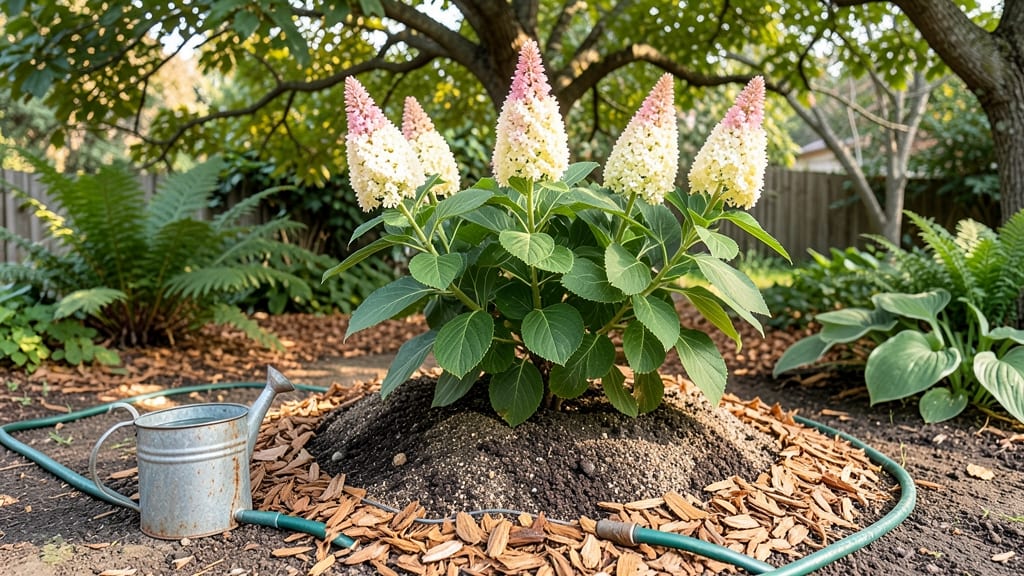
Panicle hydrangea tree care rewards you with bold, cone-shaped blooms that last from summer through frost—but only if you prune them right. 🌿 I’ve pruned dozens of these trees, and the difference between a bushy, flowering powerhouse and a leggy mess comes down to two simple cuts made at the right time. The secret isn’t complicated: panicle hydrangeas bloom on new wood, so aggressive pruning in late winter or early spring encourages fresh, vigorous growth—and more flowers. Most people overthink it, but the real trick is timing (after the worst cold snaps but before buds swell) and direction (cutting just above a bud that faces outward). One wrong snip, and you’ll end up with bare branches where blooms should be. By summer, you’ll see thick, sturdy stems packed with football-sized flower clusters that turn from white to pink as the season progresses. The best part? These trees handle pruning like pros—unlike their mophead cousins, you won’t sacrifice next year’s blooms by getting it wrong. Works for small yards, large landscapes, or even container growing—just adjust the pruning intensity based on the tree’s size. Let’s get those shears sharp and those branches trimmed!
📚 In This Guide
- What you need
- Instructions
- Tips and common mistakes
- Wrapping up and next steps
What you need
- ● Pruning shears: Bypass pruners (sharp, 6–8 inch blades) for clean cuts on small stems.
- ● Loppers: 8–12 inch bypass loppers for thicker branches (½ inch or larger).
- ● Hand pruners: Anvil-style (for emergency cuts, but avoid overuse—can crush stems).
- ● Disinfectant: 70% isopropyl alcohol or bleach solution (1 part bleach to 9 parts water) to sterilize tools between cuts.
- ● Gloves: Heavy-duty gardening gloves (protect against thorns and sap).
- ● Pruning saw: Curved-tooth pruning saw (for branches 1–2 inches thick).
- ● Tree pruning rope or zip ties: Non-slip, ¼-inch wide (for supporting large branches if needed).
- ● Mulch: 2–4 inches of organic mulch (pine bark, shredded leaves, or wood chips).
- ● Watering can or hose: With a gentle spray nozzle for post-pruning hydration.
- ● Extension pole: For hard-to-reach branches (10–12 feet with adjustable head).
- ● Ladder: Sturdy, lightweight aluminum ladder (for tall trees—4+ feet).
- ● Plant wound sealant: Pruning paste (only for large cuts >2 inches in diameter).
- ● Notebook or app: For tracking pruning dates and growth notes (e.g., Gardenate or a simple journal).
- ● Safety gear: Safety glasses and long sleeves (protection against debris).
- ● Know your tree’s age and size—young trees (under 3 years) need minimal pruning.
- ● Check the last frost date in your area (prune after spring blooms fade or in late winter).
- ● Confirm your tree’s variety (e.g., ‘Limelight’, ‘Little Lime’)—some panicle hydrangeas bloom on old and new wood!
- ● Have a clear day planned—avoid pruning in wet or windy conditions.
Instructions for pruning panicle hydrangeas to maximize year-round blooms
Here’s my battle-tested approach to pruning these showstopping shrubs—timing, technique, and all.
✂️ Step 1: Prune in Late Winter or Early Spring for Strong New Growth
Panicle hydrangeas bloom on new wood, meaning last year’s growth produces this year’s flowers. That’s why I prune just before buds swell—typically in late February to early March in most climates. If you miss this window, don’t panic: you can still prune in early spring as long as you finish before leaves emerge.
Start by removing dead, diseased, or crossing branches first—these compete for energy and weaken the plant. Use clean, sharp pruners to make cuts at a 45-degree angle about ¼ inch above a outward-facing bud. This encourages outward growth and prevents crowded centers. I always wear gloves; those thorns don’t play nice.
✂️ Step 2: Shape the Shrub by Cutting Back Last Year’s Growth
Now for the fun part: rejuvenation pruning. For established panicle hydrangeas, I cut back last year’s stems by ⅓ to ½ their height. This might sound aggressive, but trust me—it triggers bushier, fuller growth and longer-lasting blooms. If your shrub is leggy or overgrown, you can go even bolder and cut back ⅔ of the stems, but only do this once every 2-3 years to avoid stress.
Focus on thinning out the center first. Remove 3-4 of the oldest stems at the base to improve airflow and sunlight penetration. This prevents fungal diseases and keeps the center from becoming a tangled mess. You’ll know you’re doing it right when you can see light filtering through the branches.
☀️ Step 3: Monitor Light Exposure and Adjust Pruning for Bloom Timing
Panicle hydrangeas thrive in full sun to partial shade, but their bloom time shifts based on light. If you want earlier blooms, prune slightly later in spring (around mid-April) and ensure the plant gets at least 6 hours of direct sun. For later, more dramatic blooms, prune in late winter and provide morning sun with afternoon shade in hot climates.
After pruning, step back and assess the shape. You want a rounded, open form—not a dense, mushroom-shaped center. If branches are growing inward, make another cut to redirect growth outward. This isn’t just about looks; it’s about maximizing flower production and minimizing pests that love tight, shaded spots.
💧 Step 4: Water Deeply and Fertilize After Pruning
Pruning stresses the plant, so deep watering is critical. Water slowly at the base until the soil is 6 inches deep and evenly moist. Avoid wetting the leaves to prevent fungal issues. I like to mulch with 2-3 inches of organic mulch (like shredded bark) to retain moisture and regulate soil temperature.
Feed with a balanced, slow-release fertilizer (10-10-10 or similar) 4-6 weeks after pruning. This gives the hydrangea the nutrients it needs to recover quickly and produce abundant blooms. If your soil is poor, you can also work in compost at the base—just keep it 3-4 inches away from the trunk to avoid rot.
⏰ Step 5: Deadhead Spent Blooms for Extended Seasonal Interest
Once the flowers fade in fall or winter, cut back spent blooms to the first set of strong leaves or buds below them. This keeps the shrub looking tidy and encourages next year’s growth. Avoid cutting into old wood—you’ll know you’ve gone too far if you see last year’s bare stems without buds.
For a winter interest display, leave a few of the largest, most architectural stems unpruned. Their unique seed heads add texture to the garden even after the blooms are gone. Just be sure to remove them in late winter before new growth starts.
Tips & tricks for pruning panicle hydrangeas
These battle-tested insights will help you avoid common pitfalls and get the most spectacular blooms from your panicle hydrangeas.
Timing is Everything: The late February to early March window is ideal because it targets just before buds swell—this ensures you're cutting new wood that will produce this year's flowers. If you're in a warmer climate where buds swell earlier, don't wait until March—act when you see those first signs of growth. I've seen gardeners miss the window completely because they thought they had more time. The key is to finish pruning before leaves emerge, which signals the plant to focus on foliage rather than flowers.
Cutting Technique Matters: That 45-degree angle cut about ¼ inch above an outward-facing bud isn't just for show—it's what creates the perfect growth pattern. When you cut at this angle, you're directing the plant's energy outward rather than inward, which prevents that dreaded "mushroom shape" that blocks sunlight from the center. I always mark my pruners with a small piece of tape at the ¼ inch mark so I don't have to guess. And remember, those thorns are serious—wear gloves to avoid those painful surprises.
Light Exposure Secrets: The 6 hours of direct sun mentioned for earlier blooms is non-negotiable if you want that summer show. But here's what nobody tells you: the quality of that sunlight matters too. Morning sun is generally better than afternoon in hot climates because it prevents leaf scorch. If you're pruning for later blooms, focus on that morning sun with afternoon shade combo—it creates those dramatic, larger flowers that everyone admires. I've seen hydrangeas in full afternoon sun get crispy edges on their leaves while still producing flowers, so don't overlook this detail.
Post-Pruning Recovery: That 4-6 week window before fertilizing isn't just arbitrary—it gives your hydrangea time to recover from the stress of pruning. During this period, the plant is focusing on healing and establishing new growth. If you fertilize too soon, you're essentially telling the plant to grow when it's still recovering, which can lead to weak, disease-prone new growth. I always do a soil test first—if my compost results show poor soil, I'll add that 3-4 inches away from the trunk right after pruning, but I wait on the fertilizer until those 4-6 weeks are up.
Pro Tips for Panicle Hydrangea Tree Care
- These battle-tested insights will help you avoid common pitfalls and get the most spectacular blooms from your panicle hydrangeas.
- Timing is Everything: The late February to early March window is ideal because it targets just before buds swell—this ensures you're cutting new wood that will produce this year's flowers.
- Cutting Technique Matters: That 45-degree angle cut about ¼ inch above an outward-facing bud isn't just for show—it's what creates the perfect growth pattern.
Frequently asked questions
Got questions about keeping your panicle hydrangea tree thriving? We’ve got answers!
Whether you’re a newbie or a seasoned gardener, these FAQs will help you master pruning, blooming, and troubleshooting like a pro.
When is the best time to prune my panicle hydrangea tree?
Prune your panicle hydrangea in late winter or early spring (February–March) before new growth begins. This ensures you don’t cut off next year’s blooms, as these hydrangeas flower on new wood. Avoid pruning in fall—it can stimulate tender growth that may frost damage.
How much can I trim back my panicle hydrangea tree?
You can safely trim back up to ⅓ of the tree’s height each year. For dramatic shaping, reduce branches by 50% in stages over 2–3 years. Focus on removing dead, crossing, or overcrowded branches first. Never remove more than ⅓ in a single season—this can stress the tree.
Why aren’t my panicle hydrangeas blooming this year?
Common culprits include over-pruning in fall, nutrient deficiencies (like low phosphorus), or drought stress. Check for buds on last year’s growth—if they’re brown or missing, you pruned too late. Boost blooms by fertilizing in early spring with a balanced 10-10-10 formula and ensuring 6+ hours of sunlight.
How do I prevent pests or diseases in my panicle hydrangea tree?
Prevent issues with proper spacing (3–5 feet between trees) and good air circulation. Watch for aphids, spider mites, or powdery mildew—treat early with neem oil or insecticidal soap. Remove fallen leaves in fall to reduce fungal spores. If branches die back, it may signal hydrangea wilt—prune infected areas immediately and avoid overhead watering.
Can I grow panicle hydrangeas in containers? Yes—but how?
Choose a large container (15+ gallons) with drainage holes and use well-draining soil. Water deeply 2–3 times weekly (containers dry faster). Prune lightly in spring to encourage bushiness, and fertilize monthly with a slow-release granular fertilizer. Dwarf varieties like ‘Little Lime’ are ideal for pots!
Wrapping up and next steps
Caring for your panicle hydrangea tree doesn’t have to be overwhelming—with the right pruning techniques, you’ll enjoy stunning blooms year after year! 🌸 The key is timing (late winter or early spring), sharp tools, and a little patience.
Now that you’re armed with these tips, grab your pruners and give your tree the love it deserves.
Ready to take the next step? Start by inspecting your tree this season—trim those leggy branches, shape it to your liking, and watch it thrive! Happy pruning! ✂️🌿