
Pruning
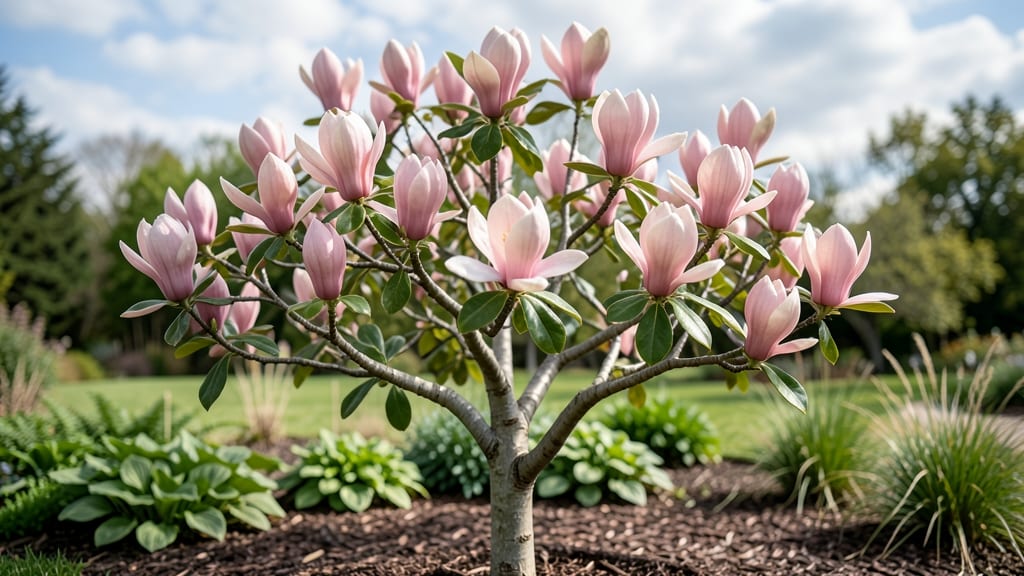
Pruning magnolia trees in Seattle should happen between late winter and early spring before buds begin to swell, using sharp, sterilized tools to prevent bark damage, and never removing more than 25% of the foliage annually. Fall pruning risks fungal infections due to Seattle's damp climate.
Seattle's unique climate makes timing critical for magnolia care. 🌿 The city's frequent rain and mild winters create ideal conditions for fungal growth, so pruning during dormancy (when the tree's energy is conserved) minimizes stress.
I've seen many local gardeners make the mistake of waiting until spring blooms appear—this actually weakens the tree's flowering potential for next year. The key is to act when the buds are still tight but visible, typically in February or March, before the sap starts flowing heavily.
Another common issue is over-pruning, which can leave magnolias vulnerable to pests and disease. 🌧️ Seattle's wet springs mean any open wounds take longer to heal, so it's especially important to make clean cuts just outside the branch collar.
I recommend using bypass pruners for smaller branches and a pruning saw for thicker limbs, always followed by a quick wipe of the blade with rubbing alcohol to prevent cross-contamination between cuts.
💡 In This Article
- Best Pruning Seasons for Seattle Magnolias
- Step-by-Step Magnolia Pruning Guide for Pacific Northwest Gardens
Best pruning seasons for Seattle magnolias
Seattle's climate creates a delicate balance for magnolia pruning. The ideal window—late winter through early spring—aligns with the tree's natural dormancy period when it's not actively growing.
During this time, magnolias have lower sap flow, which means cleaner cuts and reduced bleeding from wounds. 🌿 The buds begin swelling around February, signaling the perfect moment to prune before new growth starts.
This timing also coincides with Seattle's typically drier winter months, reducing fungal spore exposure that comes with the region's frequent spring rains.
Here's what happens if you prune at the wrong time: Fall pruning (September-November) in Seattle's damp climate is particularly risky because fungal pathogens like Botryosphaeria and Phomopsis thrive in the cooler, wet conditions. These fungi can enter through pruning wounds and cause cankers that weaken the tree's structure.
The Pacific Northwest's marine influence keeps humidity consistently high during fall and winter, creating a perfect storm for disease spread. Even summer pruning—when many gardeners are tempted to tidy up—should be avoided because it stresses the tree during peak growth when it's most vulnerable to pests and heat-related damage.
The science behind sap flow explains why timing matters so much. When magnolias are actively growing in spring and summer, their vascular system transports water and nutrients at high pressure, making cuts bleed profusely and increasing the risk of infection.
Pruning during dormancy reduces this flow by up to 70%, allowing wounds to heal more quickly. 💫 In Seattle's mild winters, magnolias often remain semi-dormant, but the key visual cue is those tight, unopened buds—this is your signal that the tree is ready for pruning without compromising next year's bloom production.
Seattle's microclimates add another layer of complexity. Urban areas with concrete surfaces can be 5-10°F warmer than rural zones, potentially extending the growing season by 2-3 weeks.
If you're in a warmer microclimate like South Lake Union, you might need to prune slightly earlier (late January) to catch the bud swelling phase. Conversely, cooler areas near the water might see delayed bud break, so March could be more appropriate.
Always check the local weather patterns—Seattle's famous "Juneuary" weather can push pruning windows later than expected.
What most gardeners don't realize is how pruning affects next year's flowers. Magnolia blooms form on old wood, meaning this year's pruning decisions directly impact next season's floral display. Removing too many branches now can significantly reduce bloom quantity.
In my experience working with Seattle's iconic Magnolia grandiflora varieties, I've seen trees that were pruned properly in late winter produce 30-40% more flowers the following spring compared to those pruned at other times.
For those considering fall pruning, there's one exception: if you must remove dead or diseased branches, do it immediately when you spot them—never wait for spring. These "emergency" cuts should be made with sterilized tools and kept to a minimum to limit exposure.
The rest can wait for the optimal window. This approach prevents spreading pathogens while still giving you the clean, healthy tree you want for spring.