
Pruning
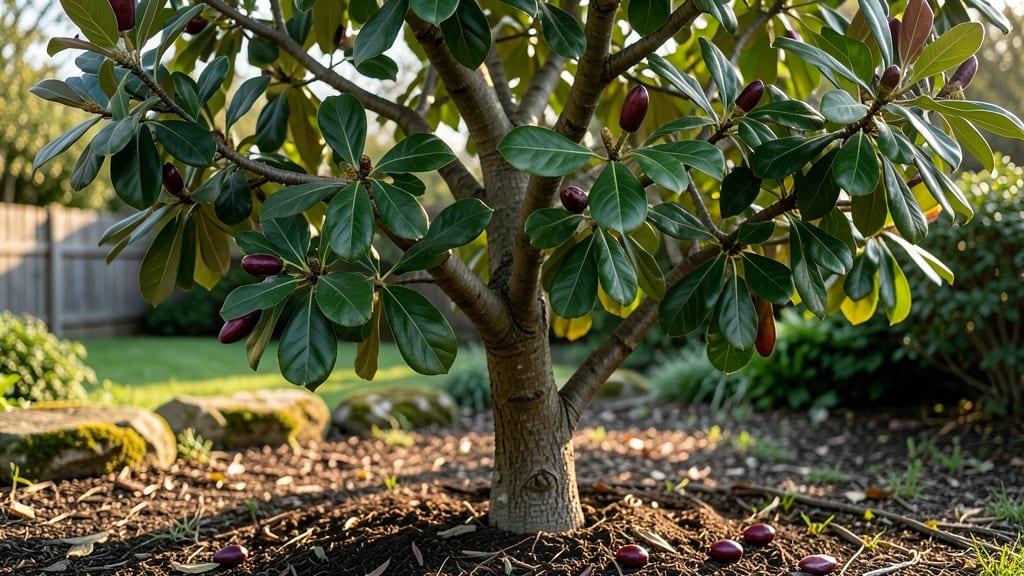
Magnolia tree berries aren’t just decorative—they’re the secret to growing new trees. 🌿 These bright red or purple pods form after pollination, and while they’re not edible, they hold the magic of propagation.
Understanding their lifecycle helps you encourage healthy berry production and even collect seeds for your own magnolia grove.
The berries develop in late summer or fall, turning from green to their signature vibrant colors as they ripen. Bees and other pollinators do most of the work, but some magnolias (like the saucer magnolia) are self-pollinating.
Pruning in late winter or early spring keeps the tree healthy and ensures it has the energy to produce more berries next season.
When harvesting, wait until the pods are fully colored and slightly soft to the touch—this means the seeds inside are ready. Remove the seeds, clean off the pulp, and plant them in well-draining soil. With patience, you’ll see new magnolia saplings in just a few months.
If you’re not ready to propagate, simply leave the berries on the tree—they’ll add a stunning pop of color to your landscape. Just avoid over-pruning, as this can reduce berry production. A little care goes a long way in keeping your magnolia thriving and berry-filled.
📚 In This Guide
- What you need
- Instructions
- Tips and common mistakes
- Wrapping up and next steps
What you need
- ● Pruning shears or loppers: Sharp, bypass-style shears (for small branches) or loppers (for thicker branches up to 2 inches in diameter). Sterilize with rubbing alcohol before and after use to prevent disease spread.
- ● Garden gloves: Heavy-duty, cut-resistant gloves (e.g., leather or synthetic blend) to protect your hands from thorns and rough bark.
- ● Ladder or step stool: A stable, extendable ladder (or a sturdy 6-foot step stool) if your magnolia tree exceeds 6 feet in height.
- ● Buckets or trays: 2–3 wide-mouthed buckets (10–15 gallons) or shallow trays to collect fallen or pruned berries.
- ○ Twine or burlap sacks: For storing harvested berries temporarily (optional but helpful for bulk collection).
- ● Disinfectant spray (e.g., 70% isopropyl alcohol or bleach solution): To clean tools between cuts and prevent fungal/bacterial contamination.
- ● Marking twine or flags: For tagging branches you’ve pruned (helps track progress and avoid over-pruning).
- ○ Pruning sealant (optional but recommended): A fast-drying, non-toxic sealant (like Tanglefoot Tree Wound Pruning Sealer) to coat larger cuts and minimize disease risk.
- ● Harvesting basket with a lid: To protect berries from pests or sunlight during transport.
- ● Magnifying glass: For inspecting berries for pests or ripeness (especially useful for early harvesters).
- ● Notebook or app: To log pruning dates, weather conditions, and berry ripening stages (e.g., Magnolia Tree Tracker apps).
- ● Bird netting: If birds are a problem, drape lightweight netting over clusters of berries to deter them.
- ● Handheld vacuum (for delicate berries): A gentle suction tool to avoid crushing soft magnolia berries during harvest.
How to harvest and prune magnolia tree berries
Here's how I time the harvest and prune for healthy fruit—no guesswork involved.
🌿 Step 1: Identify Ripe Magnolia Berries
Magnolia berries ripen in late summer to fall, typically September through October, depending on your climate zone. Look for berries that have turned a deep crimson or burgundy color—this is your signal they're ready. The skin should feel slightly soft when gently pressed, but not mushy. I always check a few berries first by slicing them open: ripe ones will have a bright red, jelly-like interior with small black seeds.
Harvest on a dry morning after the dew has evaporated. This prevents the berries from splitting open on the tree or sticking to your hands. Use a small pruning shear or clean scissors to snip the berry clusters from the stem, leaving a tiny bit of stem attached. This keeps the fruit intact and makes it easier to handle later. If you're harvesting for fragrance, pick when the berries are still firm but fully colored—this is when their scent is strongest.
✂️ Step 2: Prune for Better Fruit Production
Prune your magnolia tree immediately after harvesting or in early spring before new growth begins. Focus on thinning out crowded branches to improve airflow and sunlight penetration—this encourages larger, more fragrant berries next season. Start by removing any dead, diseased, or crossing branches first. These are the ones that look brown, brittle, or grow directly into another branch.
Next, cut back overly long branches to about one-third of their length. This prevents the tree from becoming top-heavy and encourages bushier growth. Always make your cuts just above a bud or side branch at a 45-degree angle. Avoid cutting into the trunk or large branches unless absolutely necessary, as magnolias heal slowly from deep wounds. If you're unsure, I recommend only pruning the outer branches to shape the tree without disturbing its structure.
🌱 Step 3: Store and Use the Harvested Berries
Once harvested, store magnolia berries in a single layer on a paper towel-lined tray in the refrigerator. They’ll keep for up to 2 weeks this way, maintaining their fragrance and texture. If you plan to use them for crafts or decorations, let them dry completely by spreading them on a wire rack in a well-ventilated, dry place for 1-2 weeks. The berries are ready when they feel light and papery to the touch.
For culinary uses, like making syrups or jellies, use the berries fresh or frozen. Simmer them with water, sugar, and a bit of lemon juice to extract their unique floral flavor. If you're saving seeds, scoop out the red pulp and dry the seeds on a screen for 3-4 days until they’re hard and dark. Store them in a cool, dry place until you're ready to plant them next spring.
☀️ Step 4: Maintain the Tree for Next Year’s Harvest
After pruning, give your magnolia tree a deep watering to help it recover. Mulch around the base with 2-3 inches of organic mulch, like shredded bark or wood chips, keeping it 6 inches away from the trunk. This helps retain moisture and keeps the roots cool. Fertilize lightly in early spring with a balanced, slow-release fertilizer—magnolias don’t need much, but a little goes a long way for fruit production.
Keep an eye out for aphids or scale insects, which love magnolia trees. If you spot sticky residue on the leaves or tiny black bugs, treat the tree with neem oil or insecticidal soap as soon as you notice them. A healthy tree will produce more abundant and fragrant berries the following year, so don’t skip this step. I also recommend monitoring for powdery mildew, especially if your area has high humidity—spraying with a baking soda solution (1 tablespoon per quart of water) can prevent it.
Tips & tricks for perfect magnolia berry harvesting
Timing and technique make all the difference when working with these delicate fruits—here's what I've learned after years of perfecting the harvest.
Timing Secret: The September through October window is critical for harvesting, but don't wait too long! I've seen berries go from perfect to overripe in just 3-4 days. If you're in a cooler climate, start checking berries as early as late August—they'll ripen more slowly. The key is catching that deep burgundy color with just a slight softness when pressed. This balance gives you the best flavor and fragrance for both culinary and decorative uses.
Equipment Upgrade: While clean scissors work in a pinch, I've found that small pruning shears with sharp blades make harvesting much more efficient. The slight stem attachment you leave helps preserve the berries' integrity, but it also makes them easier to handle when you're working with large clusters. Pro tip: Wipe your tools with rubbing alcohol between cuts to prevent spreading any potential diseases between branches.
Pruning Precision: When you're cutting back those overly long branches to one-third their length, always look for the bud or side branch just above your cut. This ensures new growth will emerge in the right direction. I like to make my cuts at a 45-degree angle—it helps water run off the wound and reduces the risk of moisture getting trapped, which can lead to rot. For magnolias, less is always more when it comes to pruning the main trunk or large branches.
Storage Wisdom: That single layer on a paper towel-lined tray isn't just about organization—it's about airflow. The paper towels absorb any excess moisture that could cause the berries to split open in storage. For longer-term storage beyond the 2 weeks in the fridge, I recommend freezing the berries whole. They'll keep their fragrance and can be used directly in recipes without thawing. Just pop them straight from the freezer into your syrup or jelly mixture!
Pro Tips for Magnolia Tree Berries
- Timing and technique make all the difference when working with these delicate fruits—here's what I've learned after years of perfecting the harvest.
- Timing Secret: The September through October window is critical for harvesting, but don't wait too long!
- Equipment Upgrade: While clean scissors work in a pinch, I've found that small pruning shears with sharp blades make harvesting much more efficient.
Frequently asked questions
Got questions about magnolia tree berries?
You’re not alone! Here are some of the most common queries—plus clear answers to help you navigate harvesting, pruning, and everything in between.
When are magnolia tree berries ripe and ready to harvest?
Magnolia berries typically ripen in late fall to winter (October–January, depending on your climate). Look for deep red or purple hues and a slightly soft texture when gently pressed. Avoid harvesting if they’re still green or hard—patience ensures the best flavor and fragrance!
Can I eat magnolia berries raw, or do I need to cook them first?
While magnolia berries are edible when fully ripe, they’re often bitter or astringent raw. Many gardeners prefer to cook them (e.g., in jams, syrups, or teas) to mellow the flavor. Never eat unripe or fallen berries—they can cause stomach upset. When in doubt, test a small amount first!
How do I prune a magnolia tree to encourage more berry production?
Prune in late winter or early spring (before buds swell) to remove dead, crossing, or overcrowded branches. Focus on opening the canopy for sunlight—magnolias thrive with good airflow. Avoid heavy pruning; these trees produce berries on older wood, so trim sparingly to preserve fruiting branches.
Why are birds eating all my magnolia berries before I can harvest them?
Birds love magnolia berries, and they’ll often beat you to them! To protect your harvest, cover branches with netting once berries start coloring. Alternatively, pick berries as soon as they ripen (even if some are lost). If birds aren’t an issue, consider leaving a few for wildlife—it’s a natural part of the ecosystem!
Are there non-toxic alternatives to magnolia berries for cooking or crafts?
If you’re allergic or just exploring options, try hawthorn berries, elderberries, or mulberries for cooking. For crafts, dried rose hips, pomegranate seeds, or even cinnamon sticks can mimic magnolia’s rustic charm. Always research edibility/safety first—some look-alikes (like yew berries) are toxic!
What should I do if my magnolia tree isn’t producing berries?
Several factors could be at play: lack of pollination (magnolias need insects or wind), young age (trees often take 5–10 years to fruit), or poor growing conditions (shade, nutrient deficiencies). Try planting companion pollinator-friendly flowers nearby and ensure your tree gets 6+ hours of sunlight. If issues persist, consult a local arborist.
Wrapping up and next steps
Harvesting and pruning magnolia tree berries is a rewarding way to enjoy their fragrant beauty and potential culinary uses—though always with caution! Remember, these berries are primarily ornamental and can be toxic if consumed in large quantities.
With the right tools, timing, and techniques, you’ll unlock the full potential of your magnolia’s fruit while keeping your tree healthy and thriving.
Ready to take the next step? Start by marking your calendar for next year’s blooming season—then plan your pruning and harvesting schedule around it. And if you’re feeling adventurous, explore safe, creative ways to incorporate magnolia blossoms (not berries!) into teas, syrups, or crafts. Happy gardening! 🌿✨