
Blooming
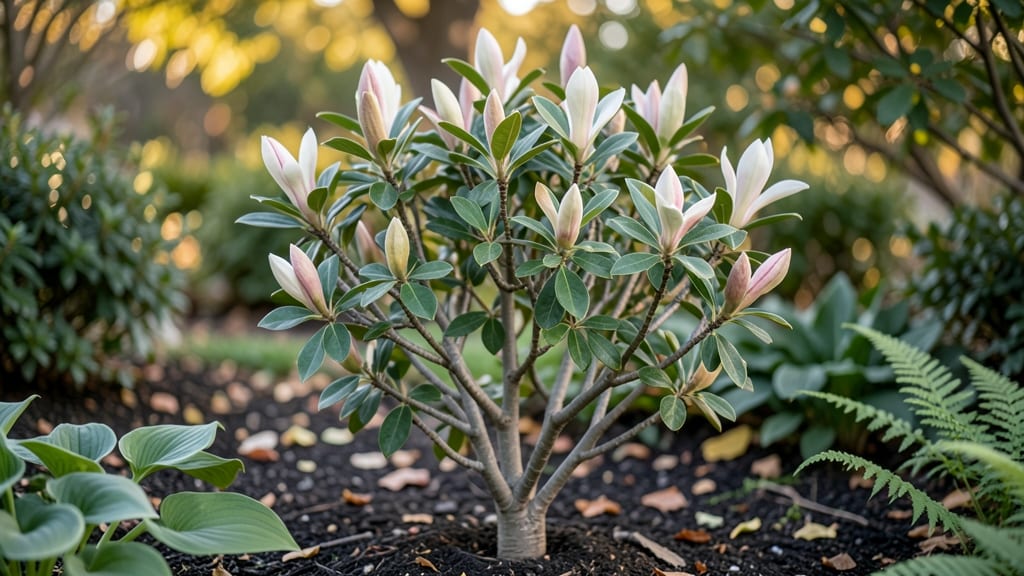
Pruning your magnolia tree before bloom transforms it from a messy shrub into a showstopping focal point all year. 🌸 I’ve watched my own magnolia go from tangled branches to a graceful, flowering masterpiece—just by following a few key steps after the petals fall.
The secret isn’t complicated: timing, sharp tools, and knowing exactly where to cut. Most gardeners make one big mistake—they prune too late or too early, stressing the tree just as it’s preparing for next year’s blooms.
After the flowers fade but before new growth appears (usually late spring to early summer), you’ll have a 3-4 week window to shape the tree without sacrificing next season’s flowers. Focus on removing dead wood, crossing branches, and thinning out crowded areas to improve airflow and sunlight penetration.
What you’ll end up with is a magnolia that blooms more abundantly, stays healthier year-round, and develops that coveted sculptural shape gardeners dream about. The buds you see forming now? Those are next year’s flowers—handle them with care, and you’ll be rewarded with even bigger, more dramatic blooms.
This works for both small patio magnolias and towering backyard specimens. The same principles apply whether you’re in the humid South or cooler Northern climates—just adjust your timing slightly based on your last frost date.
📚 In This Guide
- What you need
- Instructions
- Tips and common mistakes
- Wrapping up and next steps
What you need
- ● Pruning shears: Bypass pruners (for small branches, ¼"–½" thick)
- ● Loppers: For medium branches (½"–1½" thick)
- ● Pruning saw: For thick branches (1½"+ thick); choose a curved blade for precision
- ● Gloves: Heavy-duty gardening gloves (cut-resistant, like mechanics’ gloves)
- ● Disinfectant: 70% isopropyl alcohol or 10% bleach solution (1 part bleach to 9 parts water) to sterilize tools
- ○ Sealing wax: Pruning sealant (optional but recommended for large cuts)
- ● Extension pole: 6–10 ft (for high branches; attach loppers or shears)
- ● Safety glasses: Protect your eyes from debris
- ● Step ladder: Sturdy, non-slip (4–6 ft tall)
- ● Workshop rag: For cleaning tools mid-prune
- ● Notebook/pencil: To sketch a quick map of branches to remove
- ● Compost bin: For collecting pruned branches (or a trash bag for disposal)
Instructions for pruning magnolias before bloom
Here’s how I prepare magnolias for their best flowering season—timing and technique matter most.
✂️ Step 1: Time Your Pruning for Late Winter or Early Spring
Prune magnolias 4-6 weeks before their expected bloom time, typically late February to early March in most climates. This timing ensures buds have time to develop fully while avoiding late-season growth that could freeze before flowering. I check my local magnolia bloom calendar—some varieties like Magnolia grandiflora bloom later than Magnolia stellata.
Wait until the threat of hard frost has passed but before new growth begins. You’ll see tight, plump buds forming along branches—this is your cue. If you prune too early, you risk cutting off next year’s flowers. If you wait too long, you’ll encourage weak, late-season growth that may not harden off before winter.
✂️ Step 2: Use Sharp, Clean Tools and Sanitize Cuts
Use bypass pruners for branches under ½ inch thick and loppers for thicker stems. I always sanitize my tools with 70% isopropyl alcohol before and after pruning to prevent spreading bacterial or fungal diseases like anthracnose, which can weaken magnolias. A sharp tool makes cleaner cuts that heal faster—dull blades crush tissue, inviting decay.
Make cuts at a 45-degree angle, just outside the branch collar where it meets the trunk or larger branch. Avoid leaving stubs, which trap moisture and rot. For larger branches, I use a pruning saw and make the cut outside the branch bark ridge to encourage proper healing. You’ll notice fresh cuts look smooth and white—this indicates a clean cut through the cambium layer.
✂️ Step 3: Remove Dead, Diseased, or Crossing Branches First
Start by removing dead, diseased, or damaged branches—these are easy to spot as they’re brown, brittle, or lack leaves. Next, look for crossing or rubbing branches that create wounds and invite pests. I prioritize branches that grow inward or downward, as these block light and air circulation, which magnolias hate. You’ll often find these near the center of the tree.
Thin the canopy by selectively removing 10-20% of the branches, focusing on those that improve airflow and light penetration. Avoid "heading back" (cutting back to a bud) on magnolias—this encourages weak, bushy growth and can reduce flowering. Instead, prune to open up the center and create a natural, balanced shape. You’ll see the tree’s structure become more open and inviting after this step.
✂️ Step 4: Shape the Tree Gradually for Long-Term Health
For young magnolias, I aim to establish a strong central leader—the main upward-growing branch. Remove competing leaders early to avoid a weak, multi-headed structure. For mature trees, I focus on refining the silhouette by shortening branches that grow too long or spoil the tree’s natural form. Limit cuts to no more than 25% of the branch length to avoid shocking the tree.
Step back frequently to assess the tree’s shape from all angles. Magnolias respond well to light, strategic pruning rather than aggressive shaping. If you’re unsure, prune conservatively—you can always remove more next year. You’ll know you’ve done well when the tree looks balanced, with an open center and no crowded branches.
💧 Step 5: Post-Pruning Care for Faster Recovery
Water the tree deeply after pruning to help it recover, especially if the weather is dry. I apply a 2-3 inch layer of mulch around the base (but not touching the trunk) to retain moisture and regulate soil temperature. Avoid heavy fertilizers immediately after pruning—magnolias are slow growers and don’t need extra nutrients to heal. Instead, I wait until new growth appears before fertilizing lightly with a balanced, slow-release formula.
Monitor the tree for signs of stress, like wilting leaves or yellowing foliage, which can indicate over-pruning. If you see excessive leaf drop, the cuts may have been too severe. Magnolias are resilient, but they thrive with gentle, thoughtful pruning. You’ll notice fresh, vibrant growth within 4-6 weeks, and next year’s blooms will be even more abundant.
Tips & tricks for perfect magnolia pruning before bloom
A few strategic moves will help you avoid common mistakes and ensure your magnolia thrives for years to come.
Timing is Everything: The 4-6 week window before bloom is non-negotiable for most magnolias, but here's what I've learned: check for those tight, plump buds forming along branches—they're your visual cue. For varieties like Magnolia grandiflora, which bloom later, you might need to push your pruning back to early April. I keep a garden journal to track when buds first appear each year, which helps me adjust timing precisely. Remember, this timing ensures buds have time to develop fully while avoiding late-season growth that could freeze before flowering.
Tool Sharpness Makes All the Difference: I can't stress this enough—dull tools crush tissue and invite decay. Before you start, test your bypass pruners on a scrap branch: if it doesn't cut cleanly, sharpen it. For branches over ½ inch thick, switch to loppers, and for anything larger, use a pruning saw. The clean cuts you make at a 45-degree angle outside the branch collar will heal faster and look professional. I always keep a small bottle of 70% isopropyl alcohol in my tool bag to sanitize between cuts—this simple step prevents spreading diseases like anthracnose that can weaken your tree.
Structural Balance is Key: When shaping your magnolia in Step 4, focus on creating an open center rather than aggressive shaping. I find it helpful to visualize the tree's natural silhouette from all angles. For young trees, establish that strong central leader early by removing competing branches. For mature trees, limit cuts to no more than 25% of branch length to avoid shocking the tree. You'll know you've done well when the tree looks balanced with good airflow throughout the canopy. This approach prevents the weak, bushy growth that often results from heading back cuts.
Post-Pruning Care Prevents Setbacks: After pruning, water deeply to help the tree recover, especially in dry weather. The 2-3 inch layer of mulch I apply around the base (but not touching the trunk) works wonders for moisture retention and temperature regulation. I've learned the hard way that magnolias don't need heavy fertilizers immediately after pruning—they're slow growers that heal best with gentle care. Wait until you see new growth appearing before applying a light, balanced fertilizer. This patient approach leads to that vibrant growth you'll notice within 4-6 weeks.
Pro Tips for Magnolia Tree Before Bloom
- A few strategic moves will help you avoid common mistakes and ensure your magnolia thrives for years to come.
- Timing is Everything: The 4-6 week window before bloom is non-negotiable for most magnolias, but here's what I've learned: check for those tight, plump buds forming along branches—they're your visual cue.
- Tool Sharpness Makes All the Difference: I can't stress this enough—dull tools crush tissue and invite decay.
Frequently asked questions
Got questions about your magnolia tree before bloom? You're not alone! Here are some of the most common concerns—and their answers—to help you keep your tree thriving year-round.
When is the best time to prune a magnolia tree before it blooms?
Prune your magnolia tree right after flowering (late spring to early summer) to avoid cutting off next year’s buds. Late winter pruning (before buds swell) is also safe for some varieties, but timing depends on your climate. Pro tip: Avoid heavy pruning in fall—it can stress the tree and reduce spring blooms!
Can I prune a magnolia tree before it blooms to encourage bigger flowers?
No—never prune in late winter or early spring (before blooms appear), as magnolias set their flower buds the previous summer. Pruning too early can remove next year’s blossoms. Instead, focus on light shaping after flowering to maintain health and structure. Think of it as a "bloom protection" rule!
What should I do if my magnolia tree isn’t blooming at all?
Lack of blooms often signals over-pruning, poor nutrition, or stress. Check for:
- Thinning canopy (too much shade = fewer blooms)
- Compacted soil or drought (magnolias love moisture!)
- Old age (some varieties bloom less after 15+ years)
Are there any magnolia varieties that bloom before leaves appear?
Yes! Early bloomers like Magnolia stellata (star magnolia) and Magnolia × soulangeana (saucer magnolia) often flower in late winter or early spring before leaves emerge. These are great for seasonal color and tolerate light frost. Late bloomers (like Magnolia grandiflora) wait until summer—so choose based on your climate!
What’s the worst mistake people make when pruning magnolias?
The biggest no-no? Topping or shearing the tree to force a "bushy" shape. Magnolias have terminal buds (flower buds at branch tips), and aggressive pruning can kill blooms for years. Instead, use selective pruning to remove only dead, crossing, or overcrowded branches—and always cut just above a bud or branch collar.
Wrapping up and next steps
Watching your magnolia tree before bloom thrive is incredibly rewarding—especially when you’ve nurtured its health with the right pruning techniques! Remember, timing, sharp tools, and patience are your best allies for shaping a stunning, long-lived tree.
Whether you’re trimming for aesthetics or health, your efforts will pay off in vibrant blooms and lush foliage year after year.
Ready to take the next step? Mark your calendar for your next pruning session and observe how your magnolia transforms! For extra guidance, check out seasonal care tips or consult a local arborist to keep your tree flourishing. 🌿✨