
Pruning
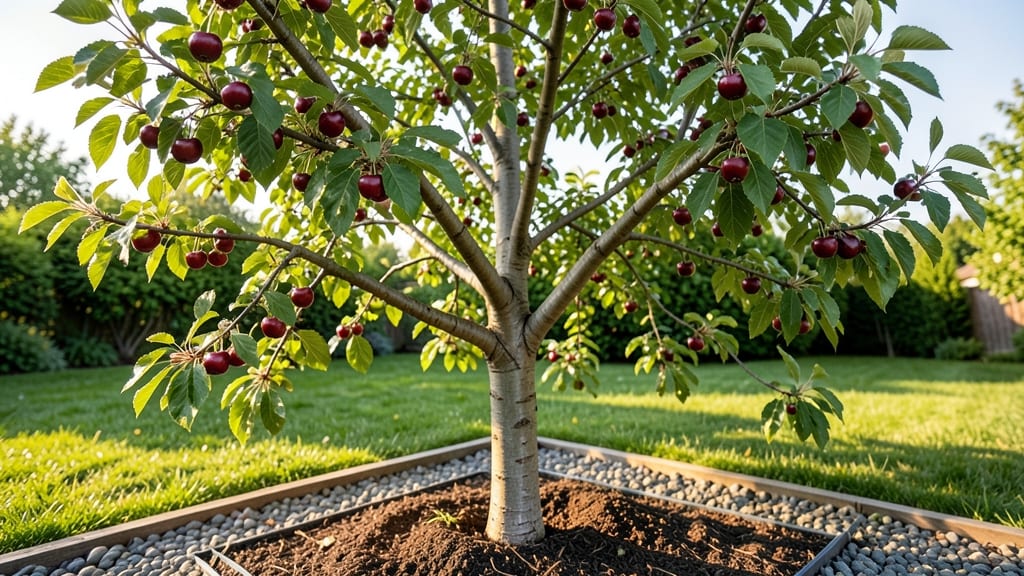
Growing a cherry tree in Georgia means year-round pruning for fruit so sweet it’ll make your neighbors jealous. 🌳 The humid summers and mild winters here create the perfect conditions—but only if you stay on top of pruning to avoid fungal diseases and encourage strong growth.
I’ve learned the hard way that skipping winter pruning leads to fewer cherries and more pests.
Start with the right variety—Stella or Bing cherries thrive in Georgia’s climate, while tart Montmorency cherries handle the heat better.
Plant in well-draining soil with full sun, and prune in three key seasons: late winter (to shape the tree), summer (to remove suckers), and fall (to clean up after harvest). This keeps the tree healthy and productive for decades.
You’ll see the payoff in June’s harvest—juicy, vibrant cherries that taste like summer. The secret is thinning fruit clusters in spring to avoid overburdening branches, and using sterilized pruners to prevent disease spread.
Georgia’s humidity means you’ll also need to watch for brown rot, so proper pruning opens airflow to keep fruit healthy.
Works for backyard orchards or container-grown dwarf varieties. Once established, a well-pruned cherry tree becomes the centerpiece of your yard—and the envy of the neighborhood. Let’s get those branches in shape!
📚 In This Guide
- What you need
- Instructions
- Tips and common mistakes
- Wrapping up and next steps
What you need
- ● Pruning shears: Bypass pruners (sharp, clean, and sterilized with rubbing alcohol) for cuts under ½ inch in diameter.
- ● Loppers: 1 pair (8–10 inches) for branches ½–1½ inches thick.
- ● Pruning saw: A bow saw or pruning saw for thick branches (1½+ inches).
- ● Gloves: Heavy-duty, cut-resistant gloves (e.g., mechanics’ gloves) to protect from thorns and splinters.
- ● Ladder: A sturdy, extendable extension ladder (20–30 ft) for tall trees (safety first! 🚧).
- ○ Disinfectant: 70% isopropyl alcohol or a pruning sealant (optional but recommended to prevent disease).
- ● Marking twine or flags: For tagging branches to prune (if needed).
- ● Heavy-duty trash bags: 2–3 (for debris cleanup).
- ● Pole pruner: For high branches (saves ladder time!).
- ● Tree wound dressing: Pruning paste (controversial but some swear by it for large cuts).
- ● Work boots: With ankle support for stability.
- ● Safety glasses: To shield eyes from debris.
- ● Notebook & pen: To log pruning notes (e.g., branch sizes, dates).
- ● Know your cherry tree: Identify if it’s sweet (e.g., 'Stella') or sour (e.g., 'Montmorency')—pruning needs vary slightly!
- ● Check the weather: Prune on a dry, cloudy day (avoid frost or extreme heat).
- ● Safety first: Ensure the tree is stable and free of pests/diseases (e.g., black knot or bacterial canker).
- ● Gather local resources: Check with the University of Georgia Extension for Georgia-specific pruning guidelines.
Instructions for pruning Georgia cherry trees year-round
Here's the seasonal approach I've refined over years of growing cherries in Georgia's climate—balancing fruit production with long-term tree health.
✂️ Step 1: Winter Pruning (Dormant Season)
Prune your cherry tree between late December and early February while it's fully dormant. This is the only time you can safely remove large branches without stressing the tree. Start by removing dead, diseased, or crossing branches—these compete with healthy growth and invite pests. Use clean, sharp pruners to make cuts just outside the branch collar, where the branch meets the trunk.
Next, open the tree's center by removing upward-growing branches that crowd the canopy. Georgia's winters can be unpredictable, so avoid heavy pruning if frost is forecast—wait until temperatures stabilize above 35°F. You'll know you've done well when the tree's structure looks balanced and sunlight can penetrate to the inner branches.
🌿 Step 2: Summer Pruning (Post-Harvest)
After harvesting cherries in late May to June, focus on light pruning to maintain shape and encourage next year's fruit. Remove suckers (fast-growing shoots at the tree's base) and water sprouts (vertical shoots growing from the trunk or branches). These drain energy from fruit production. Use hand pruners for smaller branches and loppers for thicker growth, always cutting at a 45-degree angle just above a leaf bud.
This is also when you thin out excessive fruit clusters—leave only 6-8 cherries per cluster to ensure larger, higher-quality fruit. You'll notice fewer but plumper cherries next season, and the tree will recover more easily from the previous year's harvest. Avoid pruning during Georgia's peak heat (July-August) to prevent stress.
☀️ Step 3: Spring Pruning (Pre-Bloom)
Prune in early March, just as buds swell but before flowers appear. This timing ensures the tree has energy to support both blooms and fruit. Focus on lightening the canopy by removing overlapping branches that block sunlight. Georgia's spring rains can make branches heavy, so prioritize removing those that drag or rub against others. Make cuts just above a healthy outward-facing bud to encourage new growth in the right direction.
Watch for dieback (dead wood from winter damage) and prune it out immediately. You'll see fresh green growth emerging from the buds within 2-3 weeks—this confirms you've encouraged healthy regrowth. Avoid heavy pruning now; the goal is to shape the tree without stressing it before pollination.
⏰ Step 4: Ongoing Maintenance (Year-Round)
Inspect your cherry tree monthly for signs of disease or pest damage. Remove any infected leaves or branches immediately using sterilized tools (wipe with rubbing alcohol between cuts). Georgia's humid summers create ideal conditions for fungal diseases like brown rot, so prompt removal is critical. Thin out dense foliage in the tree's center to improve airflow and reduce humidity buildup.
This is also when you adjust your pruning strategy based on the tree's response. If you notice excessive suckers or weak wood, increase summer pruning next year. The key is balance—too much pruning reduces fruit production, while too little leads to crowded branches and poor air circulation. A well-maintained Georgia cherry tree should yield abundant fruit for decades with minimal intervention.
Tips & tricks for pruning Georgia cherry trees
Georgia's climate demands precision when pruning cherry trees—here's how to avoid common pitfalls and maximize fruit production.
Timing is Everything: The winter pruning window between late December and early February is non-negotiable for Georgia growers. Cold temperatures below 35°F can stress the tree, so always wait for stable weather before making major cuts. I've seen trees recover poorly after winter pruning during frost warnings—trust me, the wait is worth it for long-term health. The 2-3 week window for spring regrowth after pre-bloom pruning is your confirmation that you've encouraged healthy growth patterns.
Tool Precision Matters: Using clean, sharp pruners isn't just about ease—it's about tree health. Dull tools crush branches, creating entry points for diseases like brown rot that thrive in Georgia's humidity. I sterilize my tools between cuts with rubbing alcohol (the same method used in Step 4), and I always make cuts just outside the branch collar. This technique promotes faster healing and prevents unsightly stubs that collect moisture and debris.
Visual Cues for Proper Pruning: When opening the canopy in winter, look for branches that create a "V" shape where they cross—these are your targets. For summer thinning, aim to leave clusters with 6-8 cherries spaced evenly. I've found that Georgia's intense sunlight makes these visual cues even more important than measurements. The goal is sunlight penetration to the inner branches, so if you can see light through the center, you're doing it right.
Seasonal Adjustments: Georgia's unpredictable weather means you'll need to adapt. If you notice excessive suckers after summer harvest, increase your summer pruning focus next year. For young trees (under 5 years), I recommend being more aggressive with winter pruning to establish strong structure early. The key is always balancing fruit production with tree health—too much pruning now means fewer cherries later.
Pro Tips for Cherry Tree Georgia
- Georgia's climate demands precision when pruning cherry trees—here's how to avoid common pitfalls and maximize fruit production.
- Timing is Everything: The winter pruning window between late December and early February is non-negotiable for Georgia growers.
- Tool Precision Matters: Using clean, sharp pruners isn't just about ease—it's about tree health.
Frequently asked questions
Got questions about growing and pruning cherry trees in Georgia? You’re not alone! Here are some of the most common concerns—and their answers—to help you keep your tree thriving year-round.
When is the best time to prune a cherry tree in Georgia?
Prune sweet cherries in late winter or early spring (February–March), before buds swell but after the worst cold snaps. For sour cherries, prune in late winter (January–February) to avoid silver leaf fungus. Avoid pruning in fall—it invites disease. Check our pruning timeline for Georgia’s specific climate zones!
Can I prune a cherry tree at any time of year?
While emergency pruning (removing dead/diseased branches) is okay anytime, avoid heavy pruning in summer or fall. Summer cuts can stress the tree, and fall pruning risks fungal infections like silver leaf or bacterial canker. Stick to dormant seasons for best results—your tree will thank you with bigger, healthier fruit!
How do I know if my cherry tree needs pruning?
Watch for these red flags:
- Overcrowded branches (blocking sunlight or rubbing against each other)
- Dead, broken, or crossing limbs (safety hazard + disease risk)
- Sparse fruit production (often due to poor air circulation)
- Mushroom growth at the base (sign of root rot or decay)
What’s the best pruning method for young vs. mature cherry trees?
| Young Trees (1–3 years) | Mature Trees (4+ years) |
|---|---|
| Focus: Establish strong structure. Remove water sprouts and competing leaders to encourage a single, dominant trunk. | Focus: Thin out 20–30% of branches to improve airflow. Prioritize deadwood, crossing limbs, and inward-growing branches. |
| Cut size: Small cuts (use bypass pruners or hand pruners). | Cut size: Larger cuts may need a pruning saw—cut just outside the branch collar. |
| Frequency: Prune annually in late winter. | Frequency: Prune every 2–3 years (or after heavy fruit years). |
Why are my cherry tree’s leaves yellowing after pruning?
Yellow leaves post-pruning usually mean one of three things:
- Over-pruning: You removed too much foliage (aim for no more than 25% of the canopy at once).
- Nutrient deficiency: Pruning stimulates growth—fertilize with balanced 10-10-10 in early spring.
- Fungal infection: If yellowing is paired with spots or wilting, it could be cherry leaf spot. Clean tools with rubbing alcohol and treat with copper fungicide.
Wrapping up and next steps
Growing a thriving cherry tree in Georgia is a rewarding journey that combines patience, care, and a little seasonal know-how! 🌳 With the right pruning techniques—especially those tailored to Georgia’s climate—you’ll enjoy a bountiful harvest and a healthier tree year after year.
Whether you’re a seasoned gardener or just starting out, every trim brings you closer to that perfect Georgia peach cherry (or tart variety) moment.
Now that you’re armed with the tools and tips, roll up your sleeves and get pruning! Start small, observe your tree’s growth, and soon you’ll be the envy of the neighborhood with your cherry tree mastery. Happy gardening! 🍒✨