
Pruning
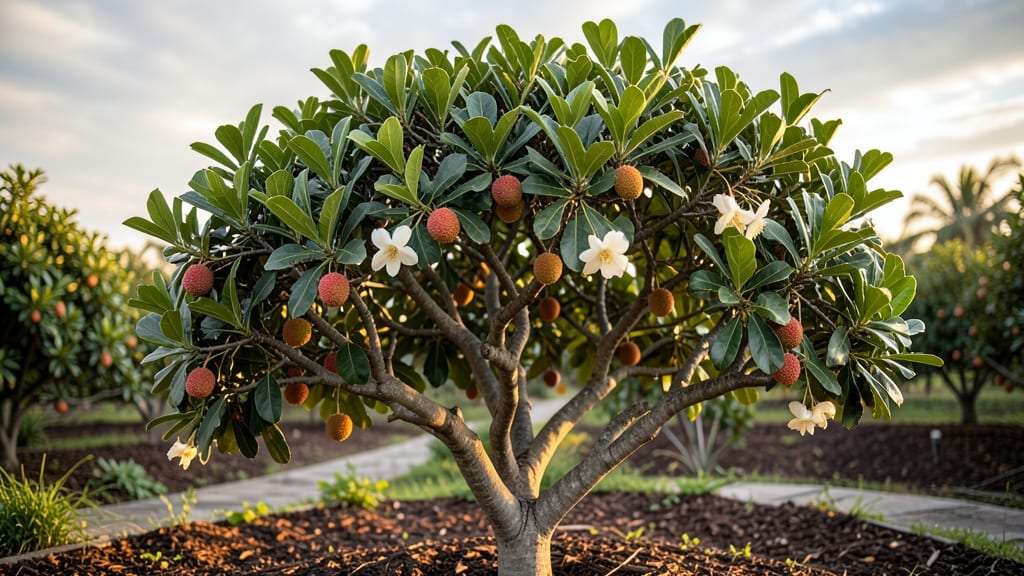
Growing lychees outside their USDA hardiness zones 10-12 feels like inviting a tropical guest who refuses to wear a coat—it’s possible, but you’ve got to get creative. 🌴 These trees crave heat, humidity, and frost-free winters, which means most of the U.S. needs a game plan beyond just planting.
The good news? With the right microclimate or container setup, you can still grow lychees even in colder zones—it just takes patience and a little extra care.
The key is understanding your local climate’s limits. In zones 9 and below, lychees become a seasonal project: overwinter them indoors or in a greenhouse, then bring them back outside when temperatures stay above 50°F.
Southern California, Florida, and Hawaii gardeners have the advantage of frost-free growing, but even there, pruning in late winter keeps the tree’s energy focused on fruit production rather than new growth.
A well-pruned lychee tree in the right zone can produce fruit within 5-7 years—but only if you meet its heat requirements.
What you’ll end up with is a tree that thrives in its prime season, producing fragrant, sweet fruit that’s worth the effort. The challenge is winter care: protecting roots from cold snaps, monitoring indoor humidity, and avoiding overwatering when growth slows.
But the payoff—harvesting lychees fresh from your own tree—makes it all worthwhile. For those in colder zones, container growing is your best bet, letting you move the tree to a sunny spot in summer and shelter it when temperatures drop.
Regional adaptations matter: coastal areas with mild winters can push zone limits further, while inland zones need extra protection. Whether you’re in zone 7 with a greenhouse or zone 11 with full sun, the goal is the same—create the right conditions for this tropical beauty to flourish.
Here’s how to make it work in your climate.
📚 In This Guide
- What you need
- Instructions
- Tips and common mistakes
- Wrapping up and next steps
What you need
- ● Pruning shears: Bypass pruners (sharp, 6-8" blades) for small branches.
- ● Loppers: 10-12" bypass loppers for thicker branches (up to 2" diameter).
- ● Pruning saw: 12-16" curved-tooth saw for stubborn, larger limbs (3"+ diameter).
- ● Disinfectant: 70% isopropyl alcohol or a 10% bleach solution (1 part bleach to 9 parts water) to sterilize tools.
- ○ Pruning sealant: Optional but helpful for large cuts (e.g., Tanglefoot Tree Wound Pruning Seal).
- ● Gloves: Heavy-duty gardening gloves (lychee thorns are no joke!).
- ● Safety gear: Safety glasses and long sleeves (thorns + tools = recipe for ouchies!).
- ● Measuring tape: 10-15 ft for assessing branch lengths and spacing.
- ● Notebook & pencil: To sketch your tree’s structure before pruning (trust us, it helps!).
- ● Ladder or step stool: Sturdy and tall enough to reach your tree’s canopy safely.
- ● Best time to prune: Late winter/early spring (just before buds swell) or right after harvest to avoid stressing the tree.
- ● Weather check: Prune on a dry, overcast day—wet tools + lychee branches = slippery situation!
- ● Tree age: Young trees (under 3 years) need minimal pruning—focus on shaping, not cutting.
- ● Zone 9 hack: If you’re in a cooler microclimate, prune lightly and mulch heavily to protect roots.
Step-by-Step lychee tree pruning for optimal fruit production
Here's the pruning system I've used to keep my lychee trees thriving in tropical zones.
✂️ Step 1: Identify and Remove Dead or Diseased Wood
Start by inspecting your lychee tree for any branches that are completely brown, brittle, or showing signs of fungal infection like black spots or powdery residue. These branches won't recover and will sap energy from your productive wood. Use clean, sharp pruning shears to make 45-degree cuts just outside the branch collar—the swollen area where the branch meets the trunk.
I always prune in the dry season when the tree is naturally dormant. This timing minimizes stress and reduces the risk of disease entering through fresh cuts. If you find sap oozing from a cut, don't worry—this is normal for lychee trees and indicates healthy tissue below the wound.
✂️ Step 2: Thin the Canopy for Better Air Circulation
Lychee trees need good airflow to prevent fungal diseases like anthracnose. Look for branches that cross each other or grow inward toward the center of the tree. These create shaded, humid pockets where spores thrive. Remove one of every two crossing branches, always choosing the smaller or weaker branch to maintain the tree's natural shape.
Here's the thing—lychee trees produce fruit on new growth, so don't over-thin. Aim to maintain 60-70% of your tree's natural foliage density. You'll see the difference in fruit quality within a season—better sunlight penetration means sweeter, more uniform fruit.
✂️ Step 3: Shape for Light Penetration and Fruit Access
Lychee trees develop fruit on current season's growth, so focus pruning on the outer third of the canopy. Remove any "water sprouts"—those fast-growing vertical shoots that appear after heavy pruning. These compete with fruiting branches for energy. Cut them back to a lateral bud or side branch.
For mature trees, I make 2-3 inch cuts just above outward-facing buds to encourage horizontal branching. This creates a more open structure that lets sunlight reach all fruit clusters. You'll notice new growth emerging within 4-6 weeks—this is your signal that the tree is responding well.
⏰ Step 4: Post-Pruning Care for Rapid Recovery
After major pruning, lychee trees need extra care. Water deeply immediately after pruning to help the tree recover from stress. Follow up with balanced fertilizer (10-10-10 ratio) applied to the root zone. This gives the tree the nutrients it needs to produce new growth and fruit.
Don't skip this step—I've seen trees decline after heavy pruning when owners didn't provide proper aftercare. Watch for new leaf growth at the pruning cuts within 3-4 weeks. If you don't see fresh green leaves emerging, your tree may need more nitrogen or better watering.
✂️ Step 5: Annual Maintenance Pruning in Late Winter
Schedule your light maintenance pruning during late winter, just before the monsoon season begins. This timing ensures new growth has time to harden off before heavy rains. Remove any suckers growing from the base of the tree and any branches that are growing toward the center.
I also take this opportunity to check for fruit-bearing spurs—those short, stubby branches where most lychee fruit develops. If you find any dead or dying spurs, remove them completely. Healthy spurs should be green with small buds—these will produce your next harvest.
Tips & tricks for perfect lychee tree pruning
Mastering lychee tree pruning transforms your harvest—here's how to avoid common pitfalls and maximize fruit production.
Timing is Everything: The dry season timing in Step 1 isn't just about convenience—it's when lychee trees naturally enter dormancy, making them far more resilient to pruning stress. I've seen trees stressed during wet seasons develop fungal infections at pruning wounds. Mark your calendar for when your local dry season begins, typically 2-3 months before monsoon rains. This precise timing ensures your tree has 4-6 weeks of dry weather to heal before heavy rains arrive.
The 45-Degree Cut Secret: When removing dead wood in Step 1, that 45-degree angle isn't arbitrary—it preserves the branch collar, which is the tree's natural healing tissue. I learned this the hard way after making straight cuts that left ugly stubs prone to rot. Use clean, sharp shears and make your cut just outside the collar where the branch naturally swells. This technique promotes faster healing and stronger regrowth.
Canopy Density Matters: The 60-70% foliage density target in Step 2 might seem vague, but here's how to visualize it: Imagine looking at your tree from above—you should see sunlight filtering through the outer canopy to reach the center. If you can't see the sky through gaps, you're over-pruning. I use a simple test: hold a flashlight at the tree's center during midday—if light reaches the ground, your thinning is perfect.
Water Sprout Watch: Those fast-growing water sprouts in Step 3 are actually a good sign—they indicate your tree is trying to recover from stress. The key is cutting them back to lateral buds, not removing them entirely. I've found that leaving even small stubs can stimulate new horizontal growth. Watch for these sprouts to appear within 2-3 weeks after major pruning, especially on mature trees.
Pro Tips for Lychee Tree Zone
- Mastering lychee tree pruning transforms your harvest—here's how to avoid common pitfalls and maximize fruit production.
- Timing is Everything: The dry season timing in Step 1 isn't just about convenience—it's when lychee trees naturally enter dormancy, making them far more resilient to pruning stress.
- The 45-Degree Cut Secret: When removing dead wood in Step 1, that 45-degree angle isn't arbitrary—it preserves the branch collar, which is the tree's natural healing tissue.
Frequently asked questions
Got questions about pruning your lychee tree for that dreamy year-round harvest?
You’re in the right place! Here are some of the most common queries—plus quick, actionable answers—to keep your lychee tree thriving in its ideal lychee tree zone.
What’s the best time of year to prune a lychee tree?
Prune your lychee tree during its dormant season, typically late winter or early spring (just before new growth starts). Avoid heavy pruning during fruiting season—this can stress the tree and reduce yield. Light shaping trims are fine year-round, but major cuts should wait for the off-season.
How much can I prune without harming the tree?
Lychee trees are resilient, but don’t overdo it! Aim to remove no more than 20-30% of the canopy in a single session. Focus on dead, diseased, or crossing branches first. Over-pruning can weaken the tree and delay fruiting. Think of it as a haircut—better to trim gradually!
Can I prune a young lychee tree the same way as a mature one?
Not quite! Young trees (under 3 years old) need minimal pruning—just remove dead or damaged branches to encourage strong growth. Mature trees (3+ years) benefit from structured pruning to improve airflow, sunlight exposure, and fruit production. Always prioritize structural integrity over aggressive shaping.
Why are my lychee tree’s leaves turning yellow after pruning?
Yellowing leaves post-pruning are often a sign of stress, but don’t panic! It’s usually temporary, especially if you pruned during the wrong season. Ensure your tree stays well-watered and fertilized with a balanced citrus-friendly nutrient mix. If yellowing persists, check for pests (like aphids) or nutrient deficiencies (like nitrogen).
Can I grow a lychee tree outside its ideal zone (e.g., USDA Zone 9-11)?
Lychee trees love warmth and struggle in colder zones, but with effort, you can try! Plant in a large container and move it indoors during winter. Use a heat lamp or greenhouse to protect it from frost. However, fruiting may be limited—native zones (9-11) offer the best conditions for a bountiful harvest.
Wrapping up and next steps
Growing a thriving lychee tree is all about timing, technique, and a little tropical love! 🌿 Whether you’re shaping young branches or maintaining mature canopies, the right pruning strategies unlock year-round harvests and healthier growth.
Remember, patience and consistency are key—your lychee tree will reward you with lush foliage and sweet, fragrant fruit.
Ready to take the next step? Start small: pick one season to practice, gather your tools, and observe how your tree responds. Over time, you’ll master the art of pruning and enjoy the ultimate tropical bounty! 🍈✨