
Pruning
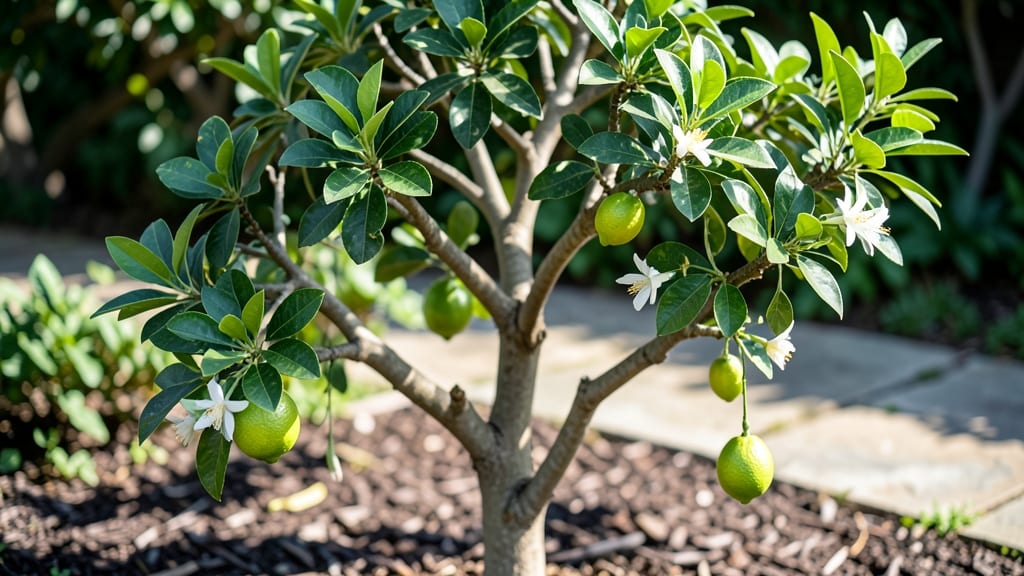
Your lime tree fruit harvest starts with a single cut—strategic pruning that unlocks year-round production and keeps your tree thriving. 🌿 I’ve watched my Persian lime tree go from sparse, bitter fruit to a steady crop of juicy, sweet limes just by timing the right cuts, and it’s easier than you’d think.
The key isn’t just trimming for shape; it’s shaping the tree to focus its energy where it counts: on fruit, not just leaves.
Most gardeners overlook the three critical pruning windows—late winter, early summer, and right after harvest—that transform a struggling tree into a productive powerhouse. You’ll need basic tools (pruners, gloves, and a ladder if needed), but the real secret is understanding which branches to keep and which to remove.
Too aggressive? You’ll sacrifice next year’s crop. Too timid? Your tree gets crowded and disease-prone. The sweet spot keeps sunlight reaching the center and air circulating to prevent fungal issues.
By following this approach, you’ll see thicker branches, more blossoms, and fruit that ripens consistently—not just a few limes here and there. The first harvest after proper pruning often doubles in size, and the fruit tastes noticeably sweeter.
Even in cooler climates, a well-pruned tree produces better than one left to grow wild. The payoff isn’t just more limes; it’s healthier, longer-lived trees that keep bearing for decades.
Whether you’re dealing with a key lime’s delicate branches or a Persian lime’s robust growth, the same principles apply. The only difference? Key limes need slightly gentler pruning to avoid damaging their smaller limbs.
Start small—just 10-15% of the tree’s canopy per session—and watch how quickly your tree responds. Before you know it, you’ll have a lime tree that’s practically a fruit-producing machine.
📚 In This Guide
- What you need
- Instructions
- Tips and common mistakes
- Wrapping up and next steps
What you need
- ● Pruning shears: Bypass pruners (for clean cuts on small branches) – 1 pair (high-quality, stainless steel).
- ● Loppers: For thicker branches (½–2 inches) – 1 pair (with a bypass blade).
- ● Pruning saw: For branches 2+ inches thick – 1 saw (with a fine-tooth blade).
- ● Gloves: Heavy-duty, cut-resistant – 1 pair (to protect from thorns and sap).
- ● Disinfectant: 70% isopropyl alcohol or bleach solution (1 part bleach to 9 parts water) – Small bottle (to sterilize tools between cuts).
- ● Rubbing alcohol or hand sanitizer – Mini bottle (for quick tool cleanups).
- ● Trash bags or bucket – 1–2 (for pruned branches and debris).
- ● Ladder or step stool – 1 (if your tree is over 6 feet tall).
- ● Pruning sealant: For larger cuts (1+ inch diameter) – Small tube (prevents disease entry).
- ● Tree wound dressing – Small pack (controversial but useful for stubborn cuts).
- ● Marking spray or tape – 1 can/roll (to label branches for future reference).
- ● Safety glasses – 1 pair (if working near the face or eyes).
- ● Notebook & pen – 1 each (to sketch your tree’s structure post-prune).
- ● Know your lime tree’s variety (e.g., Mexican lime, Persian lime, or Key lime) – growth habits vary!
- ● Check the best pruning time for your climate (typically late winter or early spring, but tropical limes can be pruned year-round).
- ● Ensure your tree is healthy (no signs of disease like citrus greening or pest infestations).
- ● Have a clear day planned – avoid pruning in wet or windy conditions.
Instructions for pruning a lime tree for maximum fruit production
Here's the method I've used to keep my lime tree healthy and bursting with fruit—it's all about timing and technique.
✂️ Step 1: Time Your Pruning for Optimal Growth
Prune your lime tree during its dormant season, which is typically late winter or early spring before new growth begins. This is when the tree has stored energy to heal quickly and focus on producing fruit. If you're in a warmer climate, aim for late winter when temperatures stay above 40°F but before buds begin to swell.
I always prune just before the last frost date in my area—this ensures the tree isn't stressed by cold while it's already healing from cuts. Avoid pruning in fall, as new growth stimulated by summer heat won't have time to harden off before winter. You'll know you've timed it right when you see fresh, green shoots emerging within 2-3 weeks after pruning.
✂️ Step 2: Remove Dead, Diseased, or Crossing Branches First
Start by inspecting the tree for branches that are dead, diseased, or rubbing against each other. These are your top priorities—they compete with healthy growth and can spread problems. Use sharp, clean pruning shears to make cuts just outside the branch collar, the swollen area where the branch meets the trunk. This ensures the wound heals properly and reduces the risk of infection.
I like to work from the bottom up, removing any branches growing straight upward (called "water sprouts") since they waste energy. You'll also want to thin out crowded branches to improve air circulation—this prevents fungal diseases and makes it easier for sunlight to reach the fruit. Aim to open up the canopy so light can penetrate to the inner branches where fruit often develops.
☀️ Step 3: Shape the Tree for Sunlight and Airflow
Next, shape the tree to encourage an open, vase-like structure. This allows sunlight to reach all parts of the tree, which is critical for fruit development. Start by removing any branches that grow inward or downward—they create shade and block airflow. Cut back to a healthy outward-facing bud or branch to encourage new growth in the right direction.
For a mature lime tree, I focus on maintaining a central leader (the main vertical trunk) while developing strong scaffold branches. These branches should be spaced 12-18 inches apart along the trunk. You'll know you've got the right balance when the tree looks balanced and sunlight can reach the center without issue. This shaping also makes it easier to harvest fruit later.
🌱 Step 4: Encourage Fruit Production with Strategic Cuts
To boost fruit production, prune back any overly vigorous growth that's producing too many leaves but few flowers. Cut back these branches by about one-third to stimulate flowering. You'll also want to shorten branches that have already fruited—this redirects energy toward new growth and future fruit production. Look for branches with clusters of fruit and trim them back to a strong lateral branch or bud.
I always avoid heavy pruning in one season—never remove more than 25% of the tree's canopy at once. This prevents stress and ensures the tree can recover. After pruning, you'll notice new shoots emerging from the cuts within 4-6 weeks. These will eventually develop into fruit-bearing branches if given proper care.
⏰ Step 5: Post-Pruning Care for a Healthy Tree
After pruning, water the tree deeply to help it recover. Apply a balanced, slow-release fertilizer to replenish nutrients lost during the process. I like to use a 10-10-10 or 20-20-20 fertilizer at half strength to avoid overfeeding. Monitor the tree closely for signs of stress, such as wilting leaves or yellowing foliage—these can indicate over-pruning or poor recovery.
Keep the area around the tree weed-free to reduce competition for water and nutrients. Mulch with 2-3 inches of organic material, like wood chips, to retain moisture and regulate soil temperature. Within 6-8 weeks, you should see new growth, and by the next fruiting season, your tree should be more productive than ever. This is the moment that matters: patience now leads to a bountiful harvest later.
Tips & tricks for perfect lime tree trimming
These strategic insights will help you avoid common mistakes and maximize fruit production year after year.
Timing is Everything: The 40°F minimum temperature threshold in Step 1 is non-negotiable—this ensures your tree isn't stressed by cold while healing. I've seen trees pruned too early in cold snaps develop fungal infections at the cuts. If your area has unpredictable winters, consider using frost cloth to protect newly pruned branches for the first 2-3 weeks until you see those fresh green shoots emerge. This extra protection makes all the difference in northern climates.
Tool Selection Matters: Step 2 emphasizes clean cuts, but I can't stress enough how important it is to use the right tools. Invest in a pair of bypass pruning shears for branches up to 1/4-inch thick—they make cleaner cuts that heal faster. For thicker branches, use a pruning saw with a fine-tooth blade to avoid tearing the bark. I keep a small bottle of rubbing alcohol with me to wipe down tools between cuts, preventing the spread of disease from one branch to another.
Visual Cues for Pruning Success: In Step 3, when shaping your tree, look for branches that form a 45-degree angle from the trunk—these are ideal for fruit production. You'll also want to identify epicormic buds (those little dormant buds along the trunk) which can become valuable new branches if given the chance. These buds often appear after heavy pruning and can become future fruit-bearing limbs if you leave them intact.
Post-Pruning Recovery: After completing all the steps, don't be tempted to fertilize immediately. The tree needs time to recover from the stress of pruning. I wait 6-8 weeks before applying fertilizer, giving the tree time to establish new growth. During this period, I focus on deep watering once a week rather than frequent shallow watering, which encourages deeper root development that supports fruit production.
Pro Tips for Lime Tree Fruit
- These strategic insights will help you avoid common mistakes and maximize fruit production year after year.
- Timing is Everything: The 40°F minimum temperature threshold in Step 1 is non-negotiable—this ensures your tree isn't stressed by cold while healing.
- Tool Selection Matters: Step 2 emphasizes clean cuts, but I can't stress enough how important it is to use the right tools.
Frequently asked questions
Got questions about lime tree fruit and pruning?
Here are some of the most common queries to help you navigate growing, harvesting, and maximizing your lime tree’s potential—year-round!
When is the best time to prune a lime tree for fruit production?
The ideal time to prune lime trees is late winter or early spring (just before new growth starts). This encourages healthy blooming and fruit set. Avoid heavy pruning in summer or fall, as it can stress the tree and reduce fruit yield.
How do I know if my lime tree is producing fruit, but I’m not seeing any?
If your lime tree has flowers but no fruit, check for these issues:
- Pollination: Hand-pollinate flowers with a soft brush if bees are scarce.
- Over-fertilization: Too much nitrogen promotes leaves over fruit.
- Pests/disease: Inspect for aphids, mites, or fungal spots.
- Age: Young trees (under 3 years) may not fruit yet.
How long does it take for a lime tree to bear fruit after pruning?
Most lime trees (like Citrus aurantifolia) take 2–3 years to bear fruit after planting, even with proper pruning. Once established, strategic trimming can increase yield by improving airflow and sunlight. Patience is key—consistent care pays off!
Can I prune a lime tree too much? What are the signs?
Yes! Over-pruning weakens the tree and reduces fruit production. Watch for:
- Yellowing leaves or leaf drop.
- Stunted growth or fewer blooms.
- Exposed wood or dead branches.
Are there lime tree alternatives that are easier to grow or more cold-hardy?
If you’re struggling with lime trees, consider:
- Kumquat: Cold-hardy, sweet-tart fruit, and easier to grow.
- Meyer Lemon: Hybrid with lime-like flavor, more resilient.
- Calamondin Orange: Small, tart fruit; thrives in containers.
Wrapping up and next steps
Mastering the art of strategic trimming ensures your lime tree thrives year-round, gifting you fresh, vibrant fruit and a healthier harvest. Whether you're a seasoned gardener or just starting, the key lies in timing, technique, and consistency—turning pruning into a rewarding ritual. 🌿✨
Ready to transform your lime tree into a flourishing powerhouse? Grab your tools, roll up your sleeves, and start trimming today. Your future self—and your taste buds—will thank you!