
Light Requirements
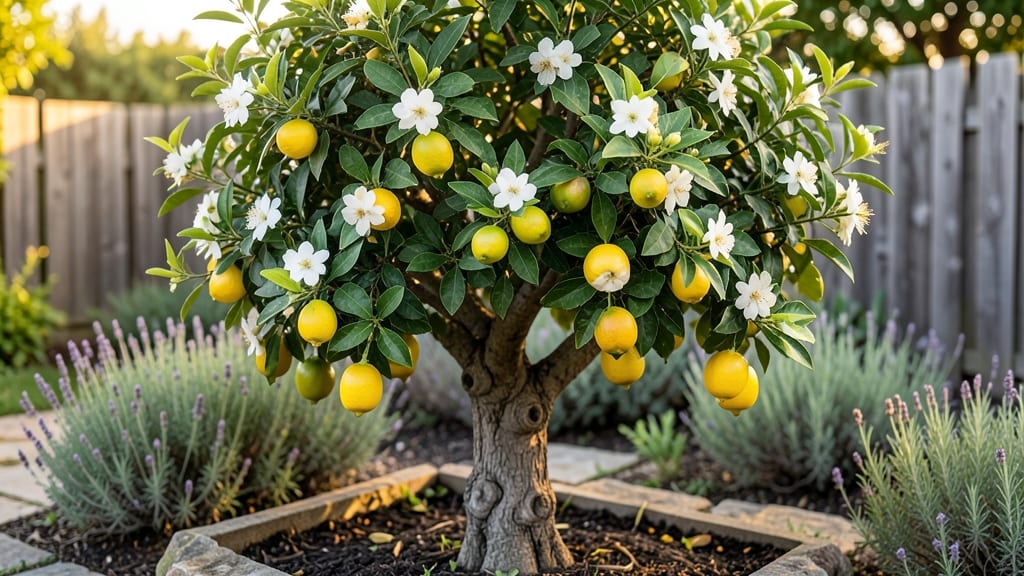
A lemon tree’s sunlight requirements are non-negotiable if you want fruit—at least 6 hours of direct light daily is the magic number for a thriving 🍋.
Struggling to grow a lemon tree? Sunlight isn’t just a preference—it’s the #1 factor determining whether your tree will bear sweet, juicy fruit or remain a leafy disappointment. Without enough light, your tree may look healthy but never produce a single lemon.
Most gardeners assume full sun means placing their tree in the harshest midday glare, but the real secret is balancing intensity with consistency. Too little light leads to sparse growth, while too much can scorch the leaves—neither helps your harvest.
In this guide, I’ll break down exactly how many hours of sun your lemon tree needs, how to spot light-related problems, and practical fixes for every climate—whether you’re growing in a sunny patio or a shady corner.


How many hours of sunlight does a lemon tree need daily?
Lemon trees thrive under full sun exposure, but their exact needs vary by variety. Most standard lemon trees—like Eureka and Lisbon—require 6 to 8 hours of direct sunlight daily to produce fruit.
Meanwhile, the popular Meyer lemon variety is slightly more adaptable, tolerating 4 to 6 hours of sun, especially in hot climates where afternoon shade helps prevent sunburn.
Without enough light, your tree may grow lush leaves but fail to bloom or fruit, leaving you with a decorative plant instead of a productive one.
Sunlight isn’t just about hours—it’s also about light intensity. Southern exposures provide the strongest light, while northern exposures offer gentler, indirect rays. If you’re in a cooler climate (USDA zones 8-9), your lemon tree may benefit from morning sun and afternoon shade during peak summer months.
In warmer zones (10-11), full sun is ideal year-round, but watch for signs of heat stress, like leaf curling or brown edges.
Measuring sunlight accurately is key. Use a sunlight tracker app or observe your garden with a sunlight exposure chart. Place a white cloth in potential spots for a few hours—if it stays bright, it’s full sun.
If it fades, it’s partial shade. Remember, container-grown lemon trees often need more frequent rotation to ensure even light exposure on all sides, as they can’t move like in-ground plants.
Here’s a quick breakdown of sunlight needs by variety to help you plan:
Seasonal adjustments are critical. In winter, lemon trees enter dormancy and can tolerate 4-5 hours of sunlight, especially in cooler climates. However, if your tree is indoors or in a container, supplement with a grow light (12-14 hours daily) to maintain health.
During spring and fall, aim for 6-7 hours of sun to encourage flowering. Summer is the most demanding season—ensure your tree gets full sun exposure but monitor for heat stress, which can scorch leaves.
Over-exposure to sunlight can be just as damaging as insufficient light. Signs of sunburn include brown or crispy leaf edges, wilting, or a sudden drop in leaves. If this happens, move your tree to a shadier spot and increase watering frequency.
For container-grown trees, relocate them to a covered patio or use a lightweight shade cloth (30-50% coverage) during peak afternoon heat. Mulching around the base of your tree also helps regulate soil temperature and retain moisture.
If you’re growing a lemon tree in a container, sunlight needs become even more critical. Containers heat up faster and dry out quicker, so place your pot in a south-facing location where it can receive uninterrupted sunlight for at least half the day.
Rotate the pot every few weeks to ensure even growth and prevent the tree from leaning toward the light. For urban gardeners, a south-facing balcony or rooftop garden is ideal, but avoid placing your lemon tree near reflective surfaces (like glass or metal) that can intensify sunlight and cause damage.
Testing your tree’s light exposure is simple. Observe the color and health of new leaves. Dark green, glossy leaves indicate adequate sunlight, while pale yellow or purple-tinged leaves signal light deficiency. Conversely, bleached or white patches on leaves are a red flag for over-exposure.
Adjust your tree’s location gradually—don’t move it suddenly from shade to full sun, as this can cause shock and leaf drop. Instead, acclimate it over 1-2 weeks by increasing sunlight exposure incrementally.
For those in cooler climates (USDA zones 8-9), consider using a greenhouse or sunroom to extend the growing season. Lemon trees can produce fruit year-round in ideal conditions, but they need consistent light. If natural light
Signs your lemon tree isn’t getting enough sunlight (and how to fix it)
If your lemon tree looks more like a sad houseplant than a fruit-bearing powerhouse, sunlight deprivation is likely the culprit. Without enough light, your tree struggles to produce energy for growth, flowering, and—most importantly—fruit production.
The good news? Recognizing the signs early lets you take action before your tree gives up entirely.
One of the first red flags is yellowing leaves, especially on the lower branches. Unlike nutrient deficiencies that start at the tips, light-starved trees often show uniform yellowing across entire leaves, a clear signal the tree isn’t getting the 6+ hours of direct sunlight it craves daily.
Pair that with sparse, leggy growth (long stems with tiny leaves), and you’ve got a classic case of light deficiency.
🌱
⚠️ Warning: Sunlight vs. Sunburn
Yellow leaves ≠ always light deprivation! Lemon trees can also show yellowing from overwatering or root rot. But here’s the key difference: Light-starved trees develop yellowing from the top down, while overwatered trees yellow from the bottom up. Check your soil—if it’s soggy, the issue isn’t sunlight.
Sunburned leaves (brown, crispy patches) mean too much direct sun, often in hot climates. If your tree is in full afternoon sun (12 PM–4 PM), it’s likely getting scorched. Meyer lemons handle heat better than Eureka or Lisbon varieties, but even they need gradual acclimation.
Another dead giveaway? Your tree is flowering but not fruiting. Lemon trees need plenty of sunlight to convert those blooms into lemon-sized rewards. Without enough light, the tree prioritizes survival over reproduction, leaving you with pretty (but useless) flowers.
And if you’ve been waiting years for lemons with no luck, light deprivation is probably the reason.
For container gardeners, uneven sunlight exposure is a common issue. If your potted lemon tree is leaning toward a window or growing lopsided, it’s stretching for light. This happens when one side gets more sun than the other—rotate your pot quarter-turns every 2–3 weeks to keep growth balanced.
If you’re indoors, a south-facing window is ideal, but supplement with a grow light (12–16 hours daily) if natural light falls short.
Fixing the problem starts with relocating your tree to a sunnier spot. If you’re outdoors, move it to a south-facing wall or patio where it gets unobstructed morning sun. For indoor trees, prune leggy growth to encourage bushier, stronger branches that can handle more light.
Use reflective surfaces (like white walls or aluminum foil) to bounce extra light onto the tree. In extreme cases, LED grow lights (full-spectrum, 5000K–6500K) can bridge the gap, especially in winter months when daylight shrinks.
Once you’ve adjusted the light, give your lemon tree a nutrient boost with a citrus-specific fertilizer (high in potassium and magnesium) to help it recover. With consistent 6+ hours of sun, proper care, and a little patience, you’ll see new growth—and eventually—those coveted lemon-shaped rewards!
☀️