
Container Gardens
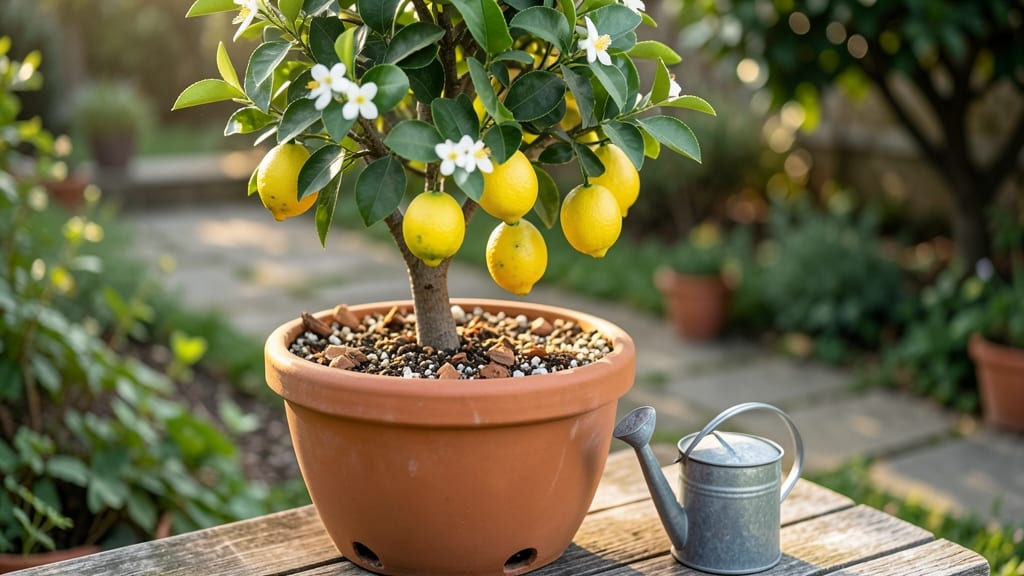
Yes, you can keep a lemon tree in a pot using dwarf varieties like 'Meyer' or 'Improved Meyer,' which thrive in containers with proper sunlight, well-draining soil, and regular pruning to control growth. Choose pots at least 18 inches wide with drainage holes and repot every 2-3 years for optimal health.
Keeping a lemon tree in a container is absolutely possible, especially with the right dwarf citrus varieties.
These compact trees grow well in pots and produce fruit just like their full-sized counterparts, but without requiring a yard. 🌱 The secret lies in selecting a variety suited for container life—like the cold-hardy 'Improved Meyer'—and providing the right growing conditions.
Unlike standard lemon trees that can reach 15-20 feet, dwarf varieties typically stay between 6-10 feet tall, making them perfect for patios, balconies, or even sunny windowsills.
What makes container gardening work so well for lemon trees? It's all about root restriction and consistent care. When roots can't spread freely, the tree focuses its energy on producing fruit rather than growing taller.
Plus, potted trees are easier to move around, so you can give them the perfect spot for sunlight exposure. Just remember to use a pot with drainage holes to prevent root rot, and choose a well-draining citrus mix to keep the soil healthy.
💡 In This Article
- Best Dwarf Lemon Tree Varieties for Pots
- Container Care Tips for Potted Lemon Trees
Best dwarf lemon tree varieties for pots
Dwarf lemon trees are specifically bred to thrive in containers, making them ideal for urban gardeners or those with limited space.
The most popular choice is the 'Improved Meyer' lemon, a hybrid that produces sweeter, larger fruit than standard Meyer lemons while being more cold-hardy (tolerating down to 20°F for short periods).
Its compact growth—typically reaching 6-8 feet in containers—makes it perfect for patios or balconies. 🌿 The 'Meyer' lemon is another excellent option, though slightly less cold-resistant (25°F threshold), with fruit that's less tart and more floral-scented than traditional lemons.
For those seeking classic lemon flavor, the dwarf 'Eureka' or 'Lisbon' varieties are worth considering, though they require more space (10-12 feet mature height) and need larger pots (24+ inches diameter). These varieties produce the classic tart lemons used in cooking but are less cold-tolerant (28°F minimum).
The trade-off? Their larger size means they need more frequent pruning to maintain shape and prevent overcrowding in containers. All dwarf varieties share one key advantage: their root systems stay contained, preventing the aggressive spread seen in full-sized trees.
What sets dwarf varieties apart isn't just size—it's their growth habit. Unlike standard lemon trees that grow upward, dwarf types develop a more bushy, multi-trunk structure when properly pruned. This habit makes them visually appealing and easier to manage in containers.
For example, the 'Improved Meyer' can produce 50-100 lemons per year in ideal conditions, while maintaining a manageable height. The key is selecting a variety that matches your climate and space constraints, as cold sensitivity and growth rate vary significantly between types.
One often overlooked factor is the tree's maturity rate. Dwarf varieties typically bear fruit within 2-3 years of planting, compared to 5-7 years for standard trees.
This faster fruiting cycle is partly due to their compact root systems, which force the tree to focus energy on reproduction rather than vertical growth. However, this also means they're more sensitive to environmental changes—like temperature fluctuations or inconsistent watering—which can stress the tree and delay fruit production. 💧
When choosing a dwarf lemon tree, consider your specific needs: Do you want sweet, versatile fruit for cocktails (Meyer) or tart lemons for cooking (Eureka)? Are you in a cooler climate where cold hardiness matters?
The 'Improved Meyer' strikes the best balance for most container gardeners, offering a combination of sweetness, cold tolerance, and manageable size. Just remember that even dwarf varieties will eventually outgrow their pots—plan for repotting every 2-3 years to accommodate root expansion.
For visual appeal, many growers opt for the 'Four Seasons' lemon, a dwarf variety that produces fruit year-round in warm climates. Its smaller leaves and dense branching make it particularly well-suited for bonsai-style container gardening.
The trade-off is slightly smaller fruit, but the continuous harvest makes it a favorite for those who want fresh lemons available whenever they need them.