
Trees
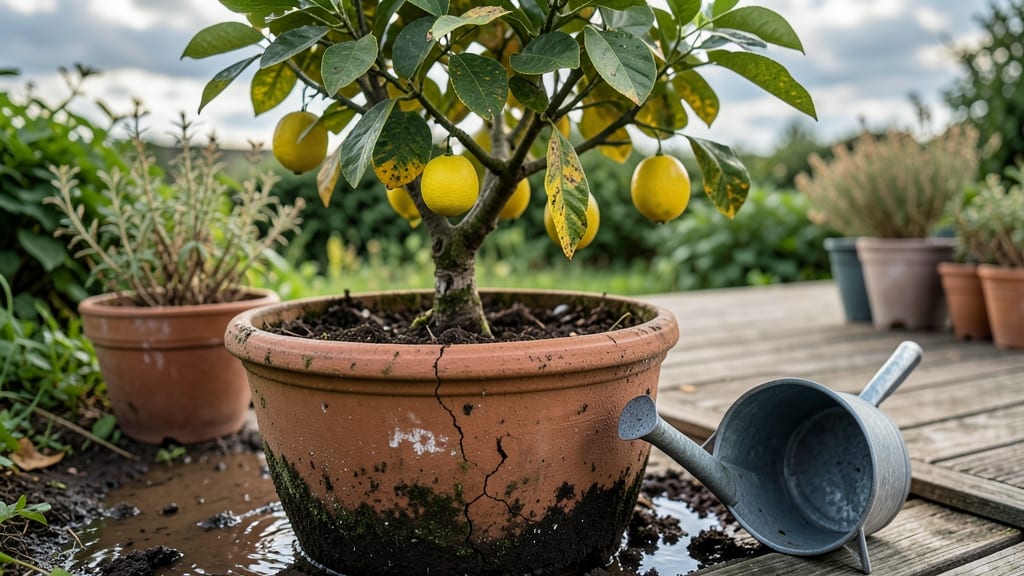
Your lemon tree’s drooping leaves and mushy roots mean one thing: it’s been overwatered, and root rot is setting in. 🌱 I’ve nursed back three lemon trees from this exact problem—here’s how to diagnose the damage and stop it before it’s too late.
The first sign is usually yellowing leaves that stay soft even when dry, paired with a foul, sour smell at the soil line. Healthy roots should be firm and light tan, but overwatered roots turn black, slimy, and crumble like wet cardboard.
Grab a small trowel and check before you do anything else—this tells you exactly how deep the damage goes. By the time you’ve adjusted your watering schedule, improved drainage, and pruned the worst roots, you’ll see new growth in 4-6 weeks.
The key is patience: recovery means letting the soil dry out completely between waterings, even if it feels counterintuitive after saving a thirsty plant. This works for container-grown lemon trees and in-ground plants alike. Let’s get your tree back on track—starting with the right tools and steps.
Root Causes Of Overwatered Lemon Trees
When your lemon tree starts looking too thirsty—despite sitting in what feels like a swamp—it’s usually a sign of overwatering. But why does this happen? The truth lies in a mix of environmental, human, and plant-specific factors that can turn your green thumb into a soggy mess.
Let’s break down the science (and the mistakes) behind it.
Lemon trees, like most citrus, hate soggy roots. If your pot lacks drainage holes or your garden soil is too dense (like clay), water pools around the roots instead of draining away. Over time, this creates an anaerobic (oxygen-free) environment where harmful bacteria and fungi thrive.
- Clay pots or sealed containers trap moisture, suffocating roots.
- Compacted garden soil (common in urban areas) acts like a sponge, holding water too long.
- Missing drainage layers (like gravel or perlite in pots) prevent excess water from escaping.
Pro Tip: 💡 Test your soil’s drainage by filling a pot with water, then timing how long it takes to drain. If it’s still wet after 30+ minutes, your tree’s roots are drowning.
Even well-meaning gardeners can drown their lemon trees by following the "more is better" rule. Citrus trees need consistent moisture, not constant soaking. Here’s how overwatering sneaks in:
- Watering on a schedule (e.g., every day) instead of checking soil moisture.
- Ignoring weather—rainy days + your watering = double the disaster.
- Using the wrong watering method, like a slow drip system in heavy clay soil.
- Not accounting for humidity—high humidity means roots absorb water faster, but they still need drying periods.
Science Note: Lemon trees prefer the top 6–8 inches of soil to dry out slightly between waterings. A moisture meter or the "finger test" (stick your finger 2 inches deep—if damp, wait) is your best friend.
Not all containers and soil are created equal. If your lemon tree’s home is too cozy (or too heavy), water lingers where it shouldn’t.
| Problem | Why It Causes Overwatering |
|---|---|
| Small pots | Roots fill the space quickly, leaving no room for excess water to evaporate. |
| No perlite/sand in potting mix | Pure peat or garden soil compacts, trapping water like a wet towel. |
| Decorative pots without drainage | Water sits at the bottom, creating a breeding ground for Phytophthora (a root-rot fungus). |
Fix It: 🌡️ Upgrade to a pot 20–30% larger than the root ball and use a mix of 60% potting soil, 20% perlite, and 20% sand for optimal aeration.
Lemon trees are sensitive to seasonal changes, and water needs fluctuate wildly. Here’s how seasons trick gardeners into overwatering:
- Winter slowdown: Growth pauses, but you might keep watering as usual—roots suffocate in cold, wet soil.
- Summer heatwaves: You crank up watering, but heavy clay soil can’t keep up, leading to runoff and waterlogged roots.
- Transplant shock: Newly planted trees get extra water to "settle in," but their roots are already stressed.
Adjust Like This: ✨ Reduce watering by 30–50% in winter and increase frequency (not volume) in summer—short, deep waterings encourage root growth downward.
Now that you know why your lemon tree is drowning, the next step is fixing it. (Spoiler: It starts with draining the damage—literally.)
Revive your lemon tree now
Overwatering can feel like a slow-motion disaster for your lemon tree—yellowing leaves, mushy stems, and a sad, wilting appearance are all red flags that your citrus friend is drowning. But don’t panic! With the right steps, you can nurse your tree back to health and prevent future waterlogging woes.
Below, we’ll break down targeted fixes based on the root cause (literally and figuratively) and share pro tips to keep your lemon tree thriving.
The first rule of rescue? Cut off the excess water immediately. Overwatering is like giving your tree a never-ending rainstorm—its roots suffocate, and root rot sets in. Here’s how to hit pause:
- Skip the watering can for at least 3–5 days. Let the soil dry out completely before watering again. Stick your finger 1–2 inches into the soil—if it’s damp, wait longer. - Check your pot’s drainage.
If your lemon tree is in a container, lift it and inspect the drainage holes. If they’re clogged with soil or debris, clear them out with a wire or your finger. No holes?
It’s time to repot into a container with 4+ drainage holes. - Move it to a drier spot. If your tree is in a shady, humid area (like a bathroom or basement), relocate it to a bright, indirect spot with good airflow. Overwatering thrives in stagnant, damp conditions.
> 💡 Pro Tip: If your tree is in the ground, avoid watering for a full week and focus on improving soil drainage (see Step 3). Mulch can help, but keep it 2–3 inches away from the trunk to prevent moisture buildup.
Overwatered lemon trees often show visible signs of distress—yellow leaves, blackened stems, or soft, mushy roots. It’s time for a health check:
🍃 For Leaves: Prune the Sickly Ones
- Remove yellow or brown leaves with clean pruning shears. These are often the first to go when roots are struggling.
- Trim back any blackened or mushy stems—these are signs of rot spreading.
Cut just above a healthy node (a bump where leaves grow) to encourage new growth. - Disinfect your tools with rubbing alcohol between cuts to prevent spreading disease.
🌊 For Roots: The Tough Love Test
If your tree is in a pot, gently remove it from the soil and inspect the roots:
- Healthy roots are firm, white, or light tan.
- Rotten roots are dark, mushy, or smell foul (like a swamp).
- Trim the bad roots with sterilized scissors, leaving only the firm ones intact.
- Repot in fresh, well-draining soil (more on that below).
> ⚠️ Warning: If more than 30% of the roots are rotten, your tree may not recover. In that case, consider propagating from a healthy cutting or starting over.
A lemon tree’s downfall often starts with poor soil or no drainage. Let’s give it a second chance with the right foundation:
🌿 For Potted Lemon Trees 1. Choose the right soil mix:
- Avoid garden soil—it’s too dense and retains too much moisture.
- Use a well-draining cactus or citrus potting mix (or DIY: 60% potting soil + 30% perlite + 10% coarse sand).
- Upgrade the pot (if needed): - Terracotta pots are best—they breathe and evaporate excess moisture. - Ensure it’s only 1–2 inches larger in diameter than the root ball to prevent over-potting (which holds too much water).
- Repot carefully: - Place a 2-inch layer of gravel or broken pottery at the bottom for extra drainage. - Add fresh soil, gently tease out the roots (if they’re circling), and plant at the same depth as before.
🌍 For In-Ground Lemon Trees
- Amend the soil with compost or sand to improve drainage. Mix in perlite or coconut coir for aeration.
- Create a raised bed if your soil is naturally heavy clay.
This elevates roots and prevents water pooling. - Install a French drain (a buried perforated pipe with gravel) around the base to divert excess water.
> 💡 Pro Tip: If you’re unsure about your soil’s drainage, do the squeeze test: Grab a handful of moist soil. If it holds its shape like clay, it’s too dense. If it crumbles easily, it’s well-draining.
Now that your tree is out of the danger zone, let’s rewrite the watering rules:
- Water deeply but infrequently:
- Potted trees: Water only when the top 2 inches of soil are dry (usually every 7–10 days in summer, less in winter).
- In-ground trees: Water slowly at the base (not overhead) for 10–15 minutes, 2–3 times per week in hot weather.
- Water in the morning to allow foliage to dry before nightfall (reduces fungal risks).
- Use the “thumb test”: Push your thumb into the soil—if it feels damp below 1 inch, wait another day.
> 🌡️ Climate Check: > - Hot/dry climates? Water more frequently but deeply. > - Humid/rainy seasons? Reduce watering and mulch lightly (but keep it away from the trunk).
An ounce of prevention is worth a pound of sad, droopy leaves. Here’s how to keep your lemon tree happy and hydrated:
| Mistake | Fix It With |
|---|---|
| No drainage holes | Repot in a pot with 4+ holes |
| Over-potting | Choose a pot only 1–2” larger than roots |
| Watering on a schedule | Check soil moisture first |
| Using garden soil | Citrus-specific or cactus mix |
| Ignoring yellow leaves | Prune and adjust watering |
> ✨ Bonus Tip: Self-watering pots can be a double-edged sword—empty the reservoir if it sits for days without watering. Your tree still needs dry periods to develop strong roots!
Reviving an overwatered lemon tree takes patience and consistency, but with these steps, you’ll see new growth in 4–6 weeks. Keep an eye on your tree’s progress—healthier leaves, firmer stems, and even a few blooms are signs you’re on the right track!
> 🍋 Remember: Lemon trees are drought-tolerant—they’d rather be underwatered than overwatered. When in doubt, wait one more day before watering again. Your tree will thank you with juicy lemons!
Frequently asked questions
How can I tell if my lemon tree has root rot from overwatering?
Check the roots—healthy ones are firm and light tan, while rotten roots turn black, mushy, and smell foul. Also look for yellowing leaves that stay soft even when dry, or stems that feel hollow when pressed. If you see these signs, stop watering immediately and inspect the roots.
Can I save my lemon tree if more than half the roots are rotted?
Unfortunately, if over 30% of the roots are rotted, recovery becomes unlikely. Try propagating from a healthy cutting or start fresh with a new tree. The good news? Healthy citrus trees regrow quickly from cuttings—just use rooting hormone and keep the soil moist (but not soggy).
How often should I water my lemon tree after fixing overwatering?
Wait until the top 2 inches of soil are completely dry before watering again. In summer, this might be every 7–10 days, while winter watering should drop to every 2–3 weeks. Always water deeply but infrequently—lemon trees prefer dry spells to soggy conditions.
What’s the best pot material to prevent future overwatering?
Terracotta pots are ideal—they breathe and evaporate excess moisture faster than plastic. For extra protection, add 4+ drainage holes and use a mix of 60% potting soil, 30% perlite, and 10% coarse sand. Avoid decorative pots without drainage—they trap water like a swamp.
Will my lemon tree survive if I can’t repot it immediately?
Yes, but act fast! Move the tree to a dry, sunny spot and stop watering for 5–7 days to let the soil dry. If possible, create makeshift drainage by poking holes in the pot with a nail. While you work on repotting, monitor for new yellow leaves—this shows if the rot is spreading.