
Pruning
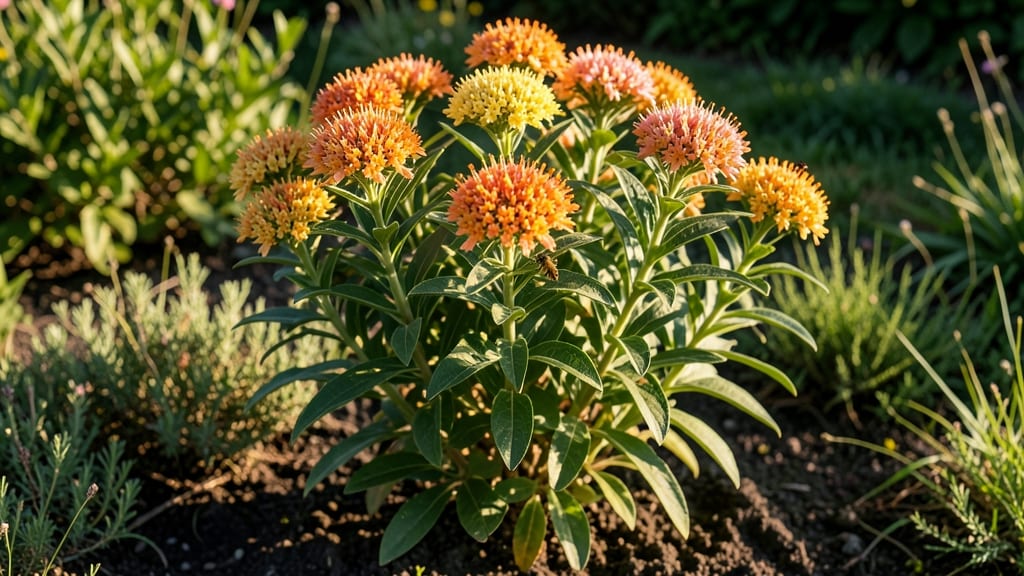
A lantana tree form is possible with the right pruning—this bushy, sprawling shrub can become a stunning small tree with deliberate shaping. 🌿 I’ve turned wild, leggy lantana into a compact, blooming powerhouse by shaping it like a bonsai on steroids.
The secret lies in strategic cuts that encourage dense growth and multiple stems. Most people prune too late or too hard, ending up with bare branches. Instead, pinch back new growth in early spring to force bushiness, and trim leggy stems to just above a leaf node.
Lantana thrives in full sun and well-draining soil—neglect either, and you’ll fight for blooms. With regular shaping, you’ll get nonstop flowers from spring through frost. The best part? Lantana’s drought tolerance means once established, it barely needs water.
Just keep the soil slightly moist for the first few weeks after pruning. Over time, your "tree" will develop a rounded canopy with vibrant clusters of blooms at every level. For a tree-like form, choose one central leader and prune lower branches to create a trunk.
In colder zones, protect young plants—lantana’s tropical roots hate frost. The payoff? A year-round bloomer that’s deer-resistant and hummingbird-magnet.
📚 In This Guide
- What you need
- Instructions
- Tips and common mistakes
- Wrapping up and next steps
What you need
- ● Pruning shears: Bypass pruners (for clean cuts on small stems) or anvil pruners (for thicker branches). Sharpness is key! 🔪
- ● Hand pruners: 1 pair, with a comfortable grip (6–8 inches long).
- ● Loppers: 1 pair, for branches ½–1.5 inches thick.
- ● Pruning saw: 1, for stubborn, woody stems over 1.5 inches in diameter.
- ● Disinfectant: Rubbing alcohol (70%+) or pruning sealant (to prevent disease spread).
- ● Gloves: 1 pair, cut-resistant (lantana thorns are no joke!).
- ● Heavy-duty trash bags: 2–3 (for debris cleanup).
- ● Lantana plant: Mature or young, with healthy stems (avoid diseased or wilted branches).
- ● Extension pole: 1, 6–10 feet (for high branches).
- ● Hose or spray bottle: 1, to rinse tools between cuts.
- ● Plant food: Balanced fertilizer (10-10-10 or 20-20-20), for post-pruning recovery.
- ● Mulch: Shredded bark or compost, to protect roots after pruning.
- ● Safety glasses: 1 pair, if working with thick branches.
How to shape lantana into a tree form through strategic pruning
Here's the method I use to coax lantana into a striking tree form while keeping it blooming like crazy.
✂️ Step 1: Select Your Central Leader Stem
Start by identifying the strongest, straightest upright stem—this becomes your trunk. I look for one that's at least 12 inches tall with minimal branching. Use sharp pruners to remove all competing stems at the base, cutting cleanly at a 45-degree angle just above an outward-facing bud. This prevents water from pooling and encourages new growth.
Here's the thing—lantana grows aggressively, so I always choose the thickest stem available. If your plant is still young and all stems look similar, pick the one growing most vertically. You'll see new side branches emerge within 2-3 weeks as the plant responds to the pruning shock.
✂️ Step 2: Create the Canopy Through Strategic Cuts
Once your central leader reaches 18-24 inches tall, it's time to shape the canopy. I make my first set of cuts about 6 inches below the top, removing about ⅓ of the current growth. This forces the plant to branch out horizontally. Make each cut just above a leaf node where you want new growth to emerge.
For a fuller look, repeat this process every 3-4 inches down the stem, but leave at least 2-3 leaves between cuts. The goal is to create a tiered effect where each horizontal layer sits slightly lower than the one above. You'll notice new buds forming within 7-10 days—these will become your main branches.
✂️ Step 3: Refine the Tree Shape Through Selective Pruning
After the initial branching, focus on creating a natural tree silhouette. Remove any upward-growing branches that compete with your central leader—these are called "watersprouts" and they disrupt the clean form. Cut them back to their point of origin at the trunk or main branch.
For the horizontal branches, trim back the longest ones by ½ their length to encourage bushier growth. I always leave at least 3-4 leaves on each branch to ensure it can photosynthesize enough to support new blooms. The key is patience—lantana responds best to gradual shaping over 4-6 weeks rather than aggressive pruning.
🌿 Step 4: Maintain the Form Through Seasonal Trimming
Every 4-6 weeks during the growing season, give your lantana tree a light trim to maintain its shape. Focus on removing any branches that grow too long or start to look leggy. Cut just above a leaf node where you want new growth to emerge—this keeps the plant compact and encourages dense foliage.
Here's what I do in late fall: I give the entire plant a light haircut, removing about ⅓ of the oldest growth to stimulate fresh, vibrant growth in spring. This also prevents the plant from becoming too woody. I never cut back more than ⅓ of the plant's total growth at any one time—lantana recovers well but too much pruning can stress it.
☀️ Step 5: Encourage Blooms Through Strategic Pruning
The secret to keeping your lantana tree blooming continuously is to remove spent flowers immediately. As soon as you see flower clusters start to fade, snip them off at the base with clean pruners. This prevents the plant from wasting energy on seed production and redirects it toward new blooms.
I also make a point to trim back any branches that look overcrowded. When too many branches compete for sunlight and nutrients, the plant produces fewer flowers. Aim to leave 4-6 main branches on your tree form—this gives the plant enough structure to support abundant blooms while maintaining an elegant shape.
Tips & tricks for perfect lantana tree form
Transforming lantana into a stunning tree form takes patience and precision—here’s how to avoid common pitfalls and achieve that showstopping structure.
Timing is Everything: In Step 1, when selecting your central leader, don’t rush—wait until it reaches at least 12 inches before pruning. I’ve learned the hard way that thinner stems can’t support the weight of future blooms. Observe your plant for 2-3 weeks after pruning to see how it responds before making further cuts. This gradual approach prevents shocking the plant and ensures stronger regrowth.
Canopy Creation Secret: When shaping the canopy in Step 2, focus on making cuts just above a leaf node—this is where new branches will emerge. I make my first cut 6 inches below the top, but if your lantana grows faster, adjust to 4-5 inches for a denser look. The key is consistency: repeat cuts every 3-4 inches down the stem, leaving 2-3 leaves between each to maintain photosynthesis. This tiered method creates that lush, layered effect.
Pruning Tools Matter: Sharp, clean pruners are non-negotiable. Dull blades crush stems instead of making clean cuts, which can introduce disease. I sterilize my tools with rubbing alcohol between cuts, especially when working with multiple plants. For larger branches, use bypass pruners—they leave a smoother cut that heals faster. And always cut at a 45-degree angle to prevent water pooling, which can rot the stem.
Bloom-Boosting Strategy: In Step 5, don’t wait until flowers are completely spent to prune—act the moment you see 10-20% of the petals fading. This redirects the plant’s energy toward new blooms instead of seed production. I also trim back any branches with more than 6-8 flowers at once; overcrowding reduces air circulation and leads to fewer, smaller blooms. Aim for 4-6 main branches to balance structure and floral abundance.
Pro Tips for Lantana Tree Form
- Transforming lantana into a stunning tree form takes patience and precision—here’s how to avoid common pitfalls and achieve that showstopping structure.
- Timing is Everything: In Step 1, when selecting your central leader, don’t rush—wait until it reaches at least 12 inches before pruning.
- Canopy Creation Secret: When shaping the canopy in Step 2, focus on making cuts just above a leaf node—this is where new branches will emerge.
Frequently asked questions
Got questions about shaping your lantana tree form into a lush, blooming beauty? Here are answers to the most common ones—so you can prune with confidence!
How often should I prune my lantana to maintain its shape?
Prune your lantana lightly every 4–6 weeks during the growing season (spring to fall) to encourage bushiness. For major shape adjustments, do a hard prune in early spring before new growth starts. Over-pruning can stress the plant, so aim for 1/3 of the plant’s growth per session.
Can I prune lantana in winter, or will it kill the plant?
Lantana is semi-evergreen in warm climates but may drop leaves in cold winters. Avoid heavy pruning in winter—focus on removing dead or damaged branches instead. Wait until spring (when temps rise above 50°F) to reshape it aggressively. Cold snaps can weaken new growth!
What’s the best way to prune lantana for more flowers?
To boost blooms, prune just above a leaf node (where leaves meet stems) to encourage branching. Pinch back tips of leggy stems in late spring to trigger denser growth. Deadhead spent flowers regularly—this redirects energy to new blooms instead of seed production.
Why is my lantana getting leggy after pruning?
Leggy growth often means too much shade or infrequent pruning. Move your plant to full sun (6+ hours daily) and prune every 6–8 weeks to maintain compactness. If it’s already stretched, cut back 1/2 of the height in spring—it’ll bounce back bushier with proper care!
Are there lantana varieties that need less pruning?
Yes! Dwarf varieties like ‘Bandana Series’ or ‘Lantana microphylla’ stay compact (1–2 ft tall) and require minimal pruning. Upright types like ‘New Gold’ may need vertical shaping, while trailing types (e.g., ‘Miss Huff’) benefit from tip pinching to control spread. Choose based on your space!
Pro Tip:
Use sterilized shears when pruning to prevent disease. Disinfect blades with rubbing alcohol between cuts—lantana sap can harbor fungal spores if tools aren’t clean!
Wrapping up and next steps
Mastering the lantana tree form through smart pruning unlocks a cascade of vibrant blooms and a fuller, healthier plant—no green thumb required! 🌸 Whether you’re shaping a sprawling bush or a compact shrub, the key lies in timing, technique, and a little patience.
Now that you’re armed with the right tools and tips, go ahead and get pruning—your lantana will thank you with nonstop color!
Ready to take it further? Experiment with different forms or share your progress with fellow gardeners for extra inspiration. Happy growing!