
Size
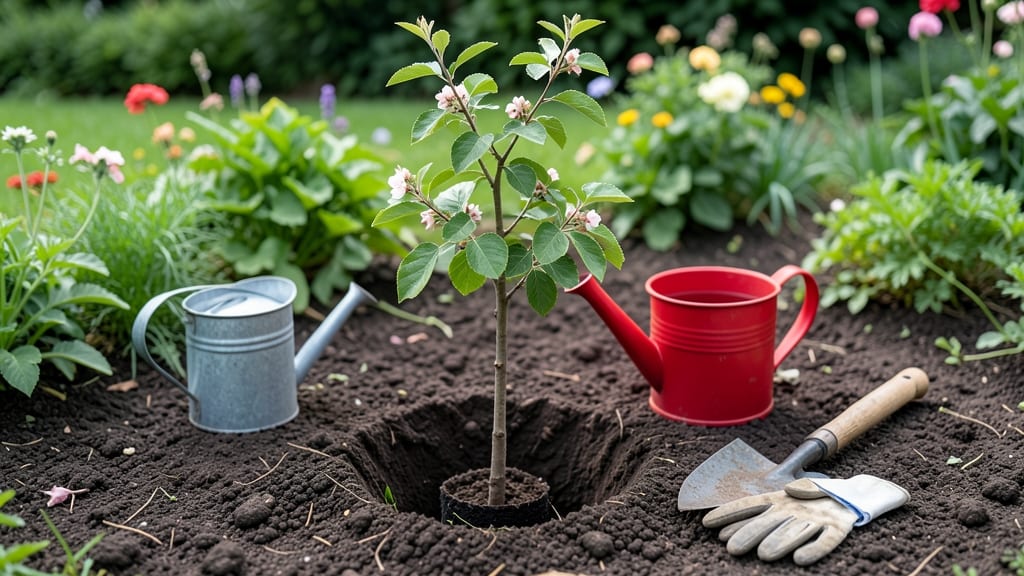
If you plant an apple seed, a tree will grow—but it requires years of patience before fruiting, and the apples may differ from the parent tree due to genetic variation and slow natural development.
Apple seeds carry the potential to grow into trees, but the process involves dormancy periods and unpredictable genetic traits. 🌱 Unlike grafted nursery trees that produce consistent fruit within 3-5 years, seed-grown trees can take 10-15 years to bear apples—and those apples likely won't match the original variety.
This is because seeds combine genetic material from both parent trees, creating unique offspring. For reliable results, most orchardists prefer grafting, but seed-growing remains a rewarding experiment for patient gardeners.
Successful germination depends on proper stratification (cold treatment) and well-draining soil. I recommend planting seeds in containers first to monitor growth before transplanting outdoors. The wait is long, but the scientific journey of watching a seed transform into a tree makes it worthwhile for those fascinated by nature's unpredictability.
💡 In This Article
- Apple Seed Germination Science: Why It Takes So Long
- Step-by-Step Guide to Growing an Apple Tree from Seed
Apple seed germination science: why it takes so long
The journey from seed to apple tree begins with a biological process called dormancy. Apple seeds enter this state because they need a period of cold exposure—called stratification6-8 weeks of cold temperatures (34-40°F).
Once stratification is complete, the seed's embryo activates, but growth remains slow due to the tree's natural development cycle. Unlike fast-growing annual plants, apple trees are perennial woody plants that prioritize root and trunk establishment before flowering.
This is why grafted nursery trees (which skip the seed stage) fruit in 3-5 years, while seed-grown trees may take 10-15 years to produce their first apples. The delay isn't just about time—it's about the tree building structural strength to support fruit production. 🌱
Genetic variation plays a crucial role in why seed-grown trees differ from parent apples. Apple trees are self-pollinating, but seeds result from cross-pollination between different varieties. This means your seedling could inherit traits from both parent trees, creating apples with different sizes, colors, or flavors.
For example, a seed from a Granny Smith apple might grow into a tree producing tart, yellow fruit instead of the original green apples. This unpredictability is part of the excitement for seed growers!
Another key factor is the tree's juvenile phase, a period where young trees focus on vegetative growth rather than reproduction. During this phase, the tree produces leaves and branches but no flowers or fruit.
This phase can last 5-10 years in seed-grown trees, compared to just 1-2 years in grafted trees. The juvenile phase is nature's way of ensuring the tree establishes a strong root system before investing energy in fruit production.
Soil conditions also influence germination timelines. Apple seeds thrive in well-draining, slightly acidic soil (pH 6.0-6.5) with plenty of organic matter. Poor soil quality can delay germination by up to 30% due to nutrient deficiencies or waterlogging.
For optimal results, I recommend planting seeds in a 50/50 mix of peat moss and perlite to ensure proper aeration and moisture retention during the critical early stages.
Understanding these scientific processes helps set realistic expectations. While seed-grown apple trees offer unique genetic surprises, they require more time and care than grafted trees. The reward? A tree that's genetically distinct and potentially more resilient to local pests and diseases.
For those willing to wait, the journey from seed to tree is a fascinating exploration of plant biology and genetics. 🌳