
Size
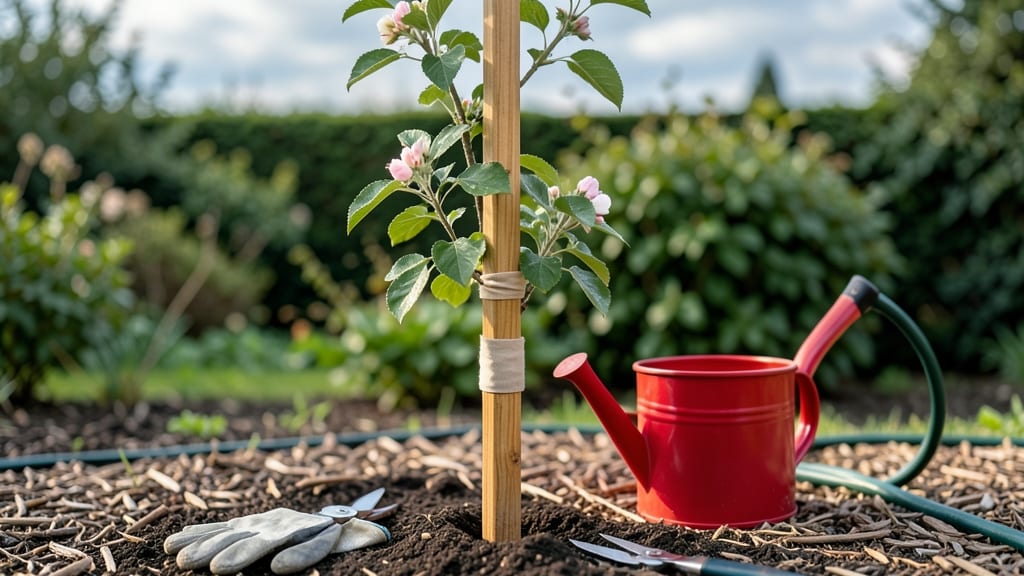
How to make a tree grow straight—it starts with the first stake you drive in. 🌳 I’ve watched saplings twist into corkscrews and fruit trees lean like drunken sailors—until I learned these three techniques that keep trunks growing tall and true. The secret isn’t brute force; it’s patience, proper support, and knowing when to step back.
Start with the right planting angle—dig a hole twice as wide as the root ball but no deeper, then position the tree so its strongest side faces the sun.
A stake no thicker than your thumb (2 inches max) keeps it steady without strangling the trunk, while soft ties (never wire) let the tree sway slightly in wind. Prune only to remove crossing branches, never to "correct" shape—you’re shaping growth, not art.
By summer’s end, you’ll see a straighter trunk than any nursery sapling, with fewer weak crotches where storms catch hold. The payoff? Fruit trees bear heavier crops, shade trees cast even canopies, and your backyard finally looks like a designer’s sketch—not a tangled mess.
Even my black thumb’s trees now stand proud.
Works for maples, apples, pines, and even bamboo—just adjust stake height as the tree grows. The key? Check ties monthly and remove stakes before they girdle the trunk. Now go make that tree the straightest in the neighborhood.
📚 In This Guide
- What you need
- Instructions
- Tips and common mistakes
- Wrapping up and next steps
What you need
- ● Young tree sapling: Choose a healthy, disease-free specimen (1–3 feet tall, depending on species). Opt for fast-growing, straight-stemmed varieties like pine, fir, or fruit trees (e.g., apple, cherry).
- ● Staking system: 3–4 bamboo stakes (1-inch diameter, 6–8 feet tall, non-toxic and untreated).
- ● 1 roll of tree tie tape or soft garden twine (1/4-inch wide, biodegradable).
- ● Support accessories: 1–2 tree collars (plastic or rubber, to protect the trunk).
- ● 1 pruning saw or sharp pruners (for trimming wayward branches).
- ● Soil & nutrients: 1 5-gallon bucket of well-draining potting mix (if planting in containers).
- ● 1 slow-release fertilizer (balanced 10-10-10 or organic options like composted manure).
- ● Weighted stakes: Add concrete blocks or sandbags (1–2 lbs each) to anchor stakes securely in windy areas.
- ● Growth regulators: Paclobutrazol (a hormonal treatment) to encourage straighter growth (follow label instructions!).
- ● Reflective mulch: Aluminum foil or white plastic wrapped around the trunk to deter animals from gnawing.
- ● Moisture meter: To monitor soil hydration and prevent stress-related bending.
Step-by-Step guide to growing trees that stand tall and true
Here's how I've helped young trees grow straight and strong—no tricks, just proven techniques.
🌱 Step 1: Plant with Proper Support and Orientation
Start by digging a hole twice as wide as the root ball but no deeper. Position the tree so its root flare—the natural bulge where roots meet trunk—sits just above soil level. This prevents suffocation and encourages upward growth. I always stake young trees immediately to prevent wind from bending them early on. Use two stakes placed 6-12 inches from the trunk, tied loosely with soft material like tree ties or old t-shirts. Tighten only enough to keep the tree upright—too much pressure restricts growth.
Here's the thing—most people overlook orientation. Plant the tree with its best side facing the prevailing wind direction (usually west or southwest in most climates). This reduces stress from constant buffeting. Water deeply right after planting to settle the soil around roots, but avoid creating a muddy crater. You'll know you've done it right when the soil surface looks slightly settled but not compacted.
☀️ Step 2: Provide Even Light Exposure from All Angles
Trees grow toward the light, so uneven exposure creates lopsided growth. Rotate young trees a quarter turn every 2-4 weeks during their first growing season. You'll see this pay off when the trunk remains perfectly vertical instead of leaning toward the sun. For container-grown trees, move the entire pot rather than twisting the stem—roots need to stay undisturbed.
Watch for shade from nearby structures or mature trees. If one side gets significantly less light, the tree will stretch toward the brighter side. I've seen this happen with apple trees planted under power lines—half the trunk grew thin and weak while the other side thickened. If you can't rotate, supplement with a grow light on the shaded side for 4-6 hours daily during critical growth months (spring and early summer).
✂️ Step 3: Prune for Balance and Airflow
Start pruning when the tree reaches 3-4 feet tall, focusing on removing branches that grow downward or inward. These compete with upward growth and create weak crotches. Use clean, sharp pruners to make cuts just above a leaf node or outward-facing bud. I always remove no more than 20% of the tree's foliage in one season—less aggressive pruning prevents shock.
The key is timing. Prune in late winter or early spring before new growth begins. You'll see straight growth develop as the tree allocates energy to upward shoots instead of competing branches. Avoid summer pruning unless removing dead wood—new growth at that time stores less energy for winter survival. After pruning, apply a thin layer of mulch around the base (but not touching the trunk) to retain moisture and regulate soil temperature.
🪴 Step 4: Monitor and Adjust Support as the Tree Grows
Check stakes every 3-4 months during the first year. If the tree's trunk rubs against the ties, loosen immediately—this can create permanent girdling scars. Remove stakes completely when the tree can stand unsupported, usually by its second or third year. I test stability by gently pushing the top—if it doesn't bend more than 10 degrees, it's ready.
Watch for leaning that develops despite your efforts. If the tree starts to tilt, don't force it upright—this can damage roots. Instead, gradually guide growth by tying the trunk to a sturdier support on the opposite side of the lean. For example, if the tree leans west, tie it slightly eastward to encourage straightening over time. This "counterbalance" method works best on young trees with flexible stems. With consistent care, you'll see perfectly vertical growth within 2-3 years.
Tips & tricks for growing straight trees
Between us, the difference between a crooked tree and one that stands tall often comes down to these overlooked details.
Staking Strategy: When you're placing those 6-12 inch stakes in Step 1, position them diagonally rather than parallel to the prevailing wind. This creates a more stable triangle of support that resists bending forces better. I've seen trees planted with parallel stakes lean dramatically after just one strong storm—diagonal staking prevents that. Also, bury the stakes only halfway—the top half should remain visible so you can adjust ties as the tree grows.
Rotation Timing: The 2-4 week rotation in Step 2 works best if you do it on the same day each time. Trees develop internal growth patterns based on light exposure, so consistency matters. I mark my rotation days on a calendar with a red "X" so I don't forget. For container trees, move them 15 minutes before sunset when photosynthesis is winding down—this minimizes stress on the roots during the transition.
Pruning Technique: When removing those downward-growing branches in Step 3, make your cuts just above an outward-facing bud that's positioned on the side where you want new growth. This simple detail ensures the tree grows in the direction you want. I always carry a small magnifying glass to spot these buds—it's amazing how much difference this makes in the tree's final shape. And remember, those 4-6 hours of grow light should be positioned on the shadiest side, not directly in front of the tree.
Stake Removal Test: That 10-degree bend test in Step 4 is your best indicator, but I've found an even better method: gently pull upward on the top of the tree while holding the base steady. If the trunk gives slightly but springs back immediately, it's ready for stake removal. If it stays bent or feels mushy, wait another month. This pull test reveals internal strength that the push test sometimes misses.
Pro Tips for Make A Tree Grow Straight
- Between us, the difference between a crooked tree and one that stands tall often comes down to these overlooked details.
- Staking Strategy: When you're placing those 6-12 inch stakes in Step 1, position them diagonally rather than parallel to the prevailing wind.
- Rotation Timing: The 2-4 week rotation in Step 2 works best if you do it on the same day each time.
Frequently asked questions
Got questions about growing straight, sturdy trees? You’re not alone—even seasoned gardeners hit snags! Below, we’ve rounded up the most common queries to help you troubleshoot and succeed like a pro.
How often should I check or adjust my young tree’s growth?
For saplings, monitor growth weekly during the first year, especially after pruning or staking. Older trees need checks every 4–6 weeks during spring/summer. Adjust stakes or ties gently—over-tightening can damage bark. Think of it like a progress report for your tree’s posture!
What if my tree starts leaning even after staking?
Leaning can happen due to uneven root growth, wind, or poor staking. First, loosen the stakes slightly to let the tree self-correct. If the lean persists, add a counterweight stake on the heavier side or use a spreader bar to guide growth. Patience is key—some trees straighten as roots strengthen!
Can I use bamboo stakes for large trees, or should I stick to metal?
Bamboo stakes work for small to medium trees (under 6 feet tall) but may bend or rot over time. For larger trees, opt for metal or wooden stakes (like 2x4s) for durability. Pro tip: Wrap stakes with rubber tree collars to protect the trunk from abrasion.
Is it too late to fix a crooked tree that’s already 10 feet tall?
For mature trees, corrective action is limited—but not impossible! Focus on preventing further damage: prune heavy branches to reduce lean, and use cable-and-pulley systems (for professionals) to guide growth. Accept that some trees may never stand perfectly straight, but you can slow the lean over time.
What’s the best alternative if staking doesn’t work for my tree?
If staking fails, try these low-tech fixes:
- Root pruning: Dig around the root ball to encourage deeper, stabilizing roots.
- Windbreaks: Plant a hedge or use a living fence to shield the tree from gusts.
- Topping (last resort): Prune the top selectively to shift weight—only if the tree is at risk of falling.
Wrapping up and next steps
Growing a straight, majestic tree isn’t just about luck—it’s a mix of patience, proper technique, and a little love. 🌱 By mastering pruning, staking, and sunlight management, you’ll guide your tree toward a strong, upright future. Remember, consistency is key, and even small efforts add up over time.
Now that you’re armed with the know-how, roll up your sleeves and get planting! Start with one tree, observe its progress, and soon you’ll be a pro at nurturing tall, straight beauties. Happy gardening! 🌳✨