
How To
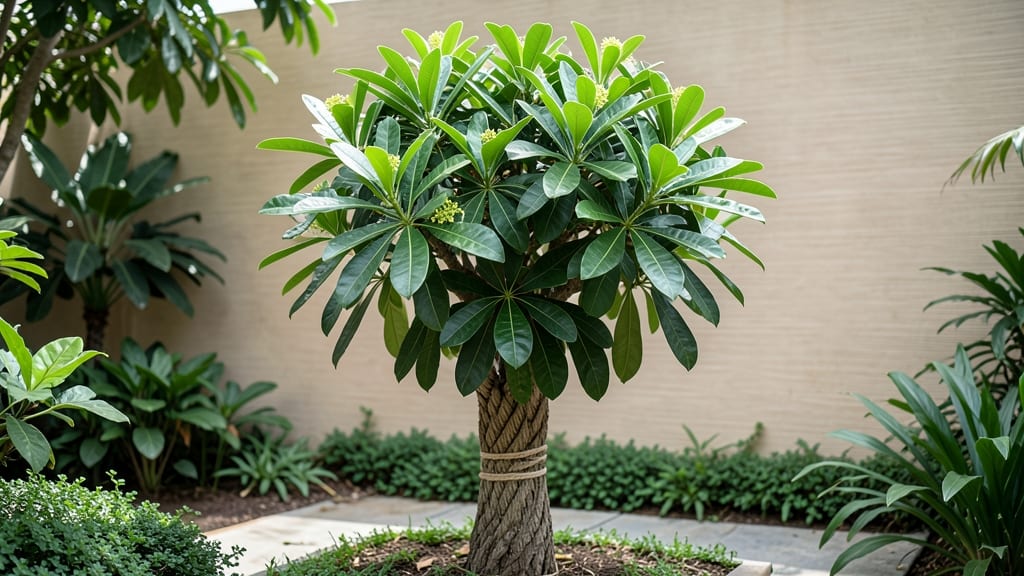
A money tree can how tall it grows indoors to 6-10 feet with proper care, though some dwarf varieties stay under 5 feet—and that height can change dramatically based on light, pruning, and even your window placement.
If you’ve ever wondered why your money tree (🌿 Pachira aquatica) seems to grow in mysterious spurts—or why some varieties stretch toward the ceiling while others stay compact—you’re not alone. The truth is, height isn’t just about genetics; it’s about creating the right conditions to unlock its full potential.
Indoor money trees thrive in bright, indirect light, which encourages steady growth, while outdoor varieties can reach 15 feet or more in tropical climates.
But even indoors, the difference between a leggy, fast-growing plant and a compact, bushy one often comes down to simple care tweaks—like pruning at the right time or adjusting watering habits.
In this guide, I’ll break down the exact mature heights by variety, how to control growth for your space, and the 5 biggest mistakes that stunt height (or send it skyrocketing). Let’s get your money tree growing the way you want it.


Money tree mature heights by variety: what to expect indoors vs. outdoors
If you’ve ever wondered why your money tree (Pachira aquatica) grows at different rates depending on where it lives, you’re not alone. These tropical plants thrive under specific conditions, and their mature heights can vary dramatically between indoor and outdoor environments.
Understanding these differences helps you set realistic expectations and create the perfect growing conditions for your plant.
The money tree’s height is influenced by its variety, light exposure, and care routine. For example, the standard Pachira aquatica can reach 6-10 feet indoors but may grow even taller outdoors with ideal sunlight.
Meanwhile, dwarf varieties like 'Money Tree Braided' stay compact at 3-5 feet, making them perfect for small spaces. Let’s break down what to expect for each variety.
Indoor growth is often slower due to limited light, while outdoor cultivation can accelerate growth—sometimes by 30-50%—if given the right conditions. However, outdoor money trees require extra care to protect them from harsh weather, pests, and temperature fluctuations. Knowing these nuances ensures your plant reaches its full potential without unexpected surprises.
🌿
The Pachira aquatica, the most common money tree variety, typically reaches 6-10 feet indoors but can grow even taller outdoors with abundant sunlight. Its growth rate indoors slows significantly without proper light exposure, often resulting in leggy stems and sparse foliage.
If you notice your plant stretching toward a window, it’s a clear sign it needs more bright indirect light.
Outdoors, money trees grow faster due to natural sunlight and better air circulation. However, they require protection from frost, strong winds, and direct afternoon sun, which can scorch the leaves.
If you’re growing your money tree outdoors in USDA zones 10-12, expect it to reach 10-15 feet with proper care, including regular pruning to maintain shape.
For braided money trees, growth is unique because their stems are manually woven together as they grow. This process can slow their vertical growth slightly, but with the right support and care, they still reach 3-5 feet indoors.
Outdoors, they may grow taller but require extra attention to keep the braids intact. Avoid overwatering, as soggy soil can cause the braids to weaken or rot.
If you’re dealing with a dwarf variety, like the 'Golden Money Tree,' expect a more compact plant, typically staying between 2-4 feet indoors. These varieties are perfect for small apartments or offices where space is limited. Even outdoors, they rarely exceed 6 feet
How light conditions directly impact money tree height growth
Light isn’t just a basic need for your money tree (Pachira aquatica)—it’s the primary growth regulator that determines whether your plant stretches toward the ceiling or stays compact. Too little light triggers leggy growth, while too much can scorch delicate leaves.
Understanding how light intensity, duration, and spectrum affect your money tree’s vertical growth is key to controlling its height and keeping it healthy.
Money trees thrive in bright indirect light, which mimics their natural tropical understory habitat. When placed in low-light conditions, they’ll stretch dramatically (up to 3x taller) in search of light, but the stems become weak and spindly.
Conversely, direct sunlight can cause leaf burn, stunting growth entirely. The balance is everything—just like Goldilocks, your money tree needs light that’s "just right."
Light duration plays a crucial role too. Money trees need 12-14 hours of light daily to grow vertically at a steady pace. If your plant isn’t getting enough natural light, supplement with a grow light (LED or fluorescent) for 6-8 hours daily.
I’ve seen money trees grow 2 feet taller in 6 months with proper light supplementation compared to those left in dim corners. The trick is to mimic a consistent day-night cycle—avoid leaving lights on 24/7, as this confuses the plant’s growth hormones.
Light spectrum matters just as much as intensity. Money trees respond best to blue and red wavelengths, which promote leafy growth and sturdy stems. Blue light (400-500nm) encourages compact growth, while red light (600-700nm) boosts vertical elongation.
If you’re using grow lights, opt for a full-spectrum bulb or one with a high blue-red ratio. I’ve had success with 10,000K LED bulbs placed 12-18 inches above my money tree to encourage bushier, slower vertical growth.
Common mistakes with light exposure often lead to leggy growth or stunted development. One frequent error is placing money trees near south-facing windows, where direct afternoon sun can scorch leaves.
Another is rotating the plant too often—while money trees do need to turn toward light, daily 90-degree rotations can confuse their growth patterns. Instead, rotate your plant every 2-3 weeks for even light exposure.
I’ve also seen growers overcorrect by moving plants from low light to bright light too quickly, which causes shock and halts growth entirely.
To control your money tree’s height, adjust light exposure strategically. For shorter, bushier growth, place your plant in bright indirect light (like an east-facing window) and prune the top leaves to encourage lateral branching.
For taller growth, provide more light duration (e.g., a grow light in the evening) and avoid pruning the top. Remember, light is the foundation—without it, even the best soil and water won’t help your money tree reach its full potential height.
Experiment with your money tree’s light conditions and observe how its growth changes over time. With the right balance, you’ll unlock healthier, more controlled height development—whether you want a compact desk companion or a tall statement plant for your living room. 🌿