
How To
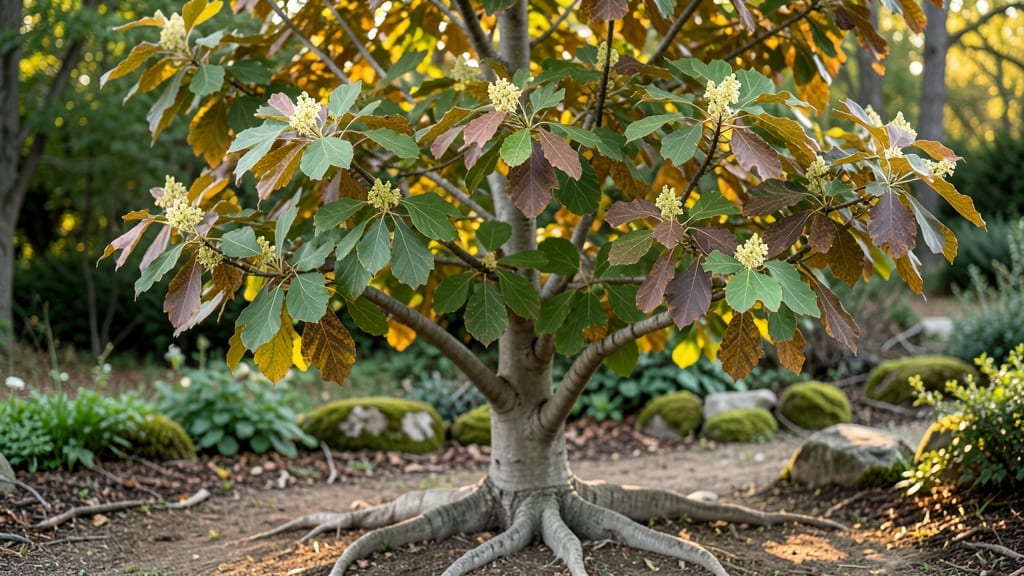
A sassafras tree grows to 20–40 feet tall 🌳, depending on where you live and how much space it has to stretch out.
If you're dreaming of adding one to your landscape, knowing its mature height is key—because this versatile native can range from a modest shrub to a towering giant depending on where you plant it.
In the warm, humid South, expect a 40-foot sentinel, while up north in USDA Zone 6a, it’ll top out closer to 20 feet. Soil, sunlight, and even pruning habits play a role in how tall it gets.
Below, I’ll break down the height ranges by region, how fast it grows, and whether you can keep it smaller if space is tight.


Sassafras tree height by region: what to expect in different climates
The sassafras tree (Sassafras albidum) is one of nature's shape-shifters—its mature height can vary wildly depending on where you plant it. In the Deep South, these trees often stretch toward the sky, reaching 40-60 feet under ideal conditions.
But in northern climates, they may stay closer to 20-30 feet, growing more slowly due to shorter growing seasons.
This regional flexibility makes sassafras a fantastic choice for gardeners in USDA zones 4-9, but your location will dictate whether you're planting a future giant or a manageable specimen.
Climate plays the biggest role in determining height. Southern states like Louisiana, Mississippi, and Florida provide the perfect conditions—long, hot summers and rich, moist soil fuel rapid vertical growth.
Meanwhile, in cooler Northern states like Pennsylvania or New York, sassafras trees grow more slowly and may develop a multi-stemmed shrub form instead of a single trunk. Even within the same region, urban planting can stunt growth compared to wild, forest-grown trees with unlimited space.
Soil quality and sunlight also influence height. Sassafras thrives in well-draining, slightly acidic soil with 6+ hours of sunlight daily, but it can tolerate partial shade. In nutrient-rich forest floors, trees reach their maximum height, while urban soils with compacted clay may limit growth.
Understanding these factors helps you predict whether your sassafras will become a towering shade provider or a smaller landscape focal point.
🌳 Here’s how to visualize sassafras height variations across the U.S.:
| Region | USDA Zones | Mature Height Range | Growth Form | Key Climate Factors |
|---|---|---|---|---|
| Southeast (FL, GA, AL, MS) | 8a-9b | 40-60 ft | Single-trunk, tall | Hot summers, humid, rich soil |
| Mid-Atlantic (VA, NC, SC) | 7a-8b | 30-50 ft | Single-trunk, medium | Moderate summers, well-drained soil |
| Northeast (PA, NY, NJ) | 5a-7a | 20-35 ft | Multi-stemmed, shrub-like | Cooler summers, shorter growing season |
| Upper South (TN, KY, WV) | 6a-7b | 25-45 ft | Single-trunk, variable | Mixed climate, adaptable |
| Urban Plantings (Anywhere) | Varies | 15-30 ft | Compact, pruned form | Limited space, soil compaction |
Notice how Southern regions consistently produce the tallest sassafras trees? That’s because the longer growing season (up to 240 frost-free days) allows for more vertical growth each year. In contrast, Northern trees may only gain 6-12 inches per year compared to 12-24 inches annually in the South.
This difference means a tree planted in Florida could reach 50 feet in 20 years, while one in New York might take 30 years to reach the same height—or stay shorter entirely.
Another fascinating pattern is how wild vs. cultivated sassafras trees grow differently. In forest settings, these trees compete for sunlight, often developing a single, straight trunk that can reach 60 feet.
But in urban landscapes, where space is limited, they frequently grow as multi-stemmed shrubs or smaller trees. This adaptability makes sassafras a great choice for small yards, but it also means your tree’s height depends heavily on how much room you give it.
Soil drainage is another critical factor. Sassafras hates soggy roots, which can stunt growth or even kill young trees. In wet climates like the Southeast, these trees thrive in slightly elevated areas where water drains quickly.
Meanwhile, in drier Western regions (where sassafras grows but isn’t native), they may develop deeper root systems to access moisture, which can slow their vertical growth compared to Eastern specimens.
Sunlight also affects height development. While sassafras can tolerate partial shade,
How fast does a sassafras tree grow to mature height?
If you're planting a sassafras tree (Sassafras albidum), you're in for a rewarding wait—this native beauty grows at a steady 12-24 inches per year under ideal conditions.
In the wild, I've seen them reach 40+ feet in just 20-30 years, while urban specimens often max out at 20-30 feet due to space constraints. The key? Full sun, well-draining soil, and minimal competition from other plants.
Your sassafras's growth speed depends heavily on its USDA hardiness zone. In Zones 5-9 (its native range), trees in the Deep South (like Louisiana or Georgia) grow fastest—sometimes 3 feet per year—while those in cooler Northern zones (like Pennsylvania) may only add 6-12 inches annually.
Even a few degrees difference can slow growth by 30-50%.
| Age (Years) | Height Range (Feet) | Growth Rate (Inches/Year) | Key Growth Factors |
|---|---|---|---|
| 1-2 | 3-12 ft | 12-24" | Soil moisture, sunlight |
| 3-5 | 15-25 ft | 18-30" | Pruning, water depth |
| 10+ | 20-40 ft | 6-12" | Root competition, climate |
To maximize your sassafras's growth, prioritize deep watering—especially during its first 3 years.
I water mine every 10-14 days in summer, giving it 15-20 gallons per session to encourage deep root development. Morning watering reduces evaporation and fungal risks, while partial shade in hot climates prevents stress that can stunt growth.
Pruning plays a surprising role in height control. If you want a taller, single-trunk tree, avoid heavy pruning of the main stem—focus instead on removing suckers at the base and shaping lower branches.
For a shorter, bushier look (great for small yards), prune the top third of the tree in late winter to redirect energy to lateral branches.
In urban settings, sassafras often grows slower due to compacted soil and limited space. I've seen city-grown trees reach only 15-20 feet in 20 years, while rural counterparts hit 30+ feet.
To compensate, amend the soil with compost and avoid planting near sidewalks or driveways, which can restrict root growth and slow height gains by 40%.
Estimating your sassafras's mature height starts with your climate and care. In Zone 8 or 9, expect 30-40 feet in 25-30 years with optimal conditions. In Zone 6, plan for 20-25 feet over the same timeframe.
Track your tree's growth annually—measure its height in early spring before new shoots emerge for the most accurate data.
Patience is key with sassafras, but the rewards are worth it. With consistent care, your tree could be a shade-providing giant in just a few decades—perfect for wildlife, tea-making, or simply adding character to your landscape. 🌳